The Rise of the Goldsmith
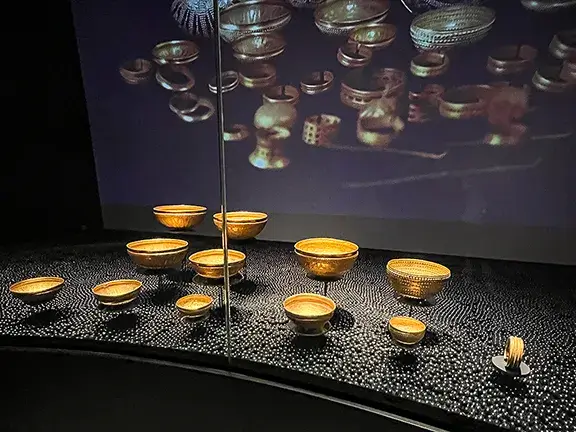
The skilled individuals who worked with gold, creating prestigious objects and ritualistic pieces, held a high status within Bronze Age societies. Archaeologists often refer to these artisans as "goldsmiths."
Titbits and News from the Mare Nostrum
By Nick Nutter | Published: 2024-05-11 | Updated: 2025-05-20
Visited 5,851 times
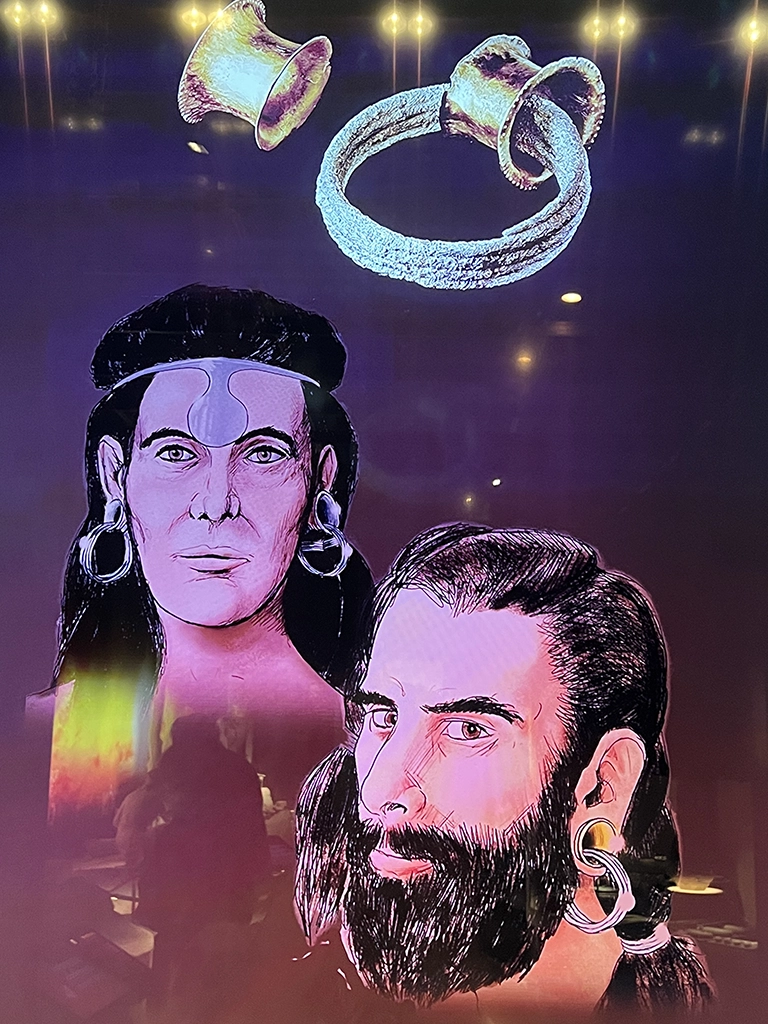
Gold jewellery first made an appearance in the Copper Age in northeastern Bulgaria. By the Bronze Age, the elites in the Bronze Age communities throughout Europe were using gold to display their position in society.
The skilled individuals who worked with gold, creating prestigious objects and ritualistic pieces, held a high status within Bronze Age societies. Archaeologists often refer to these artisans as "goldsmiths."
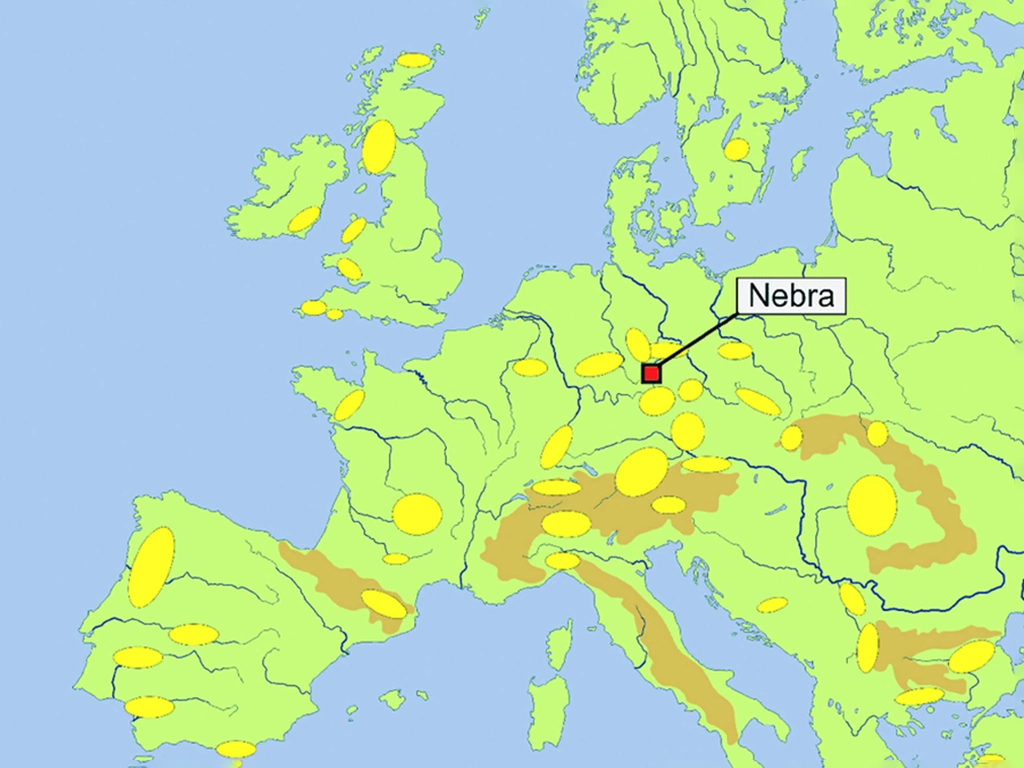
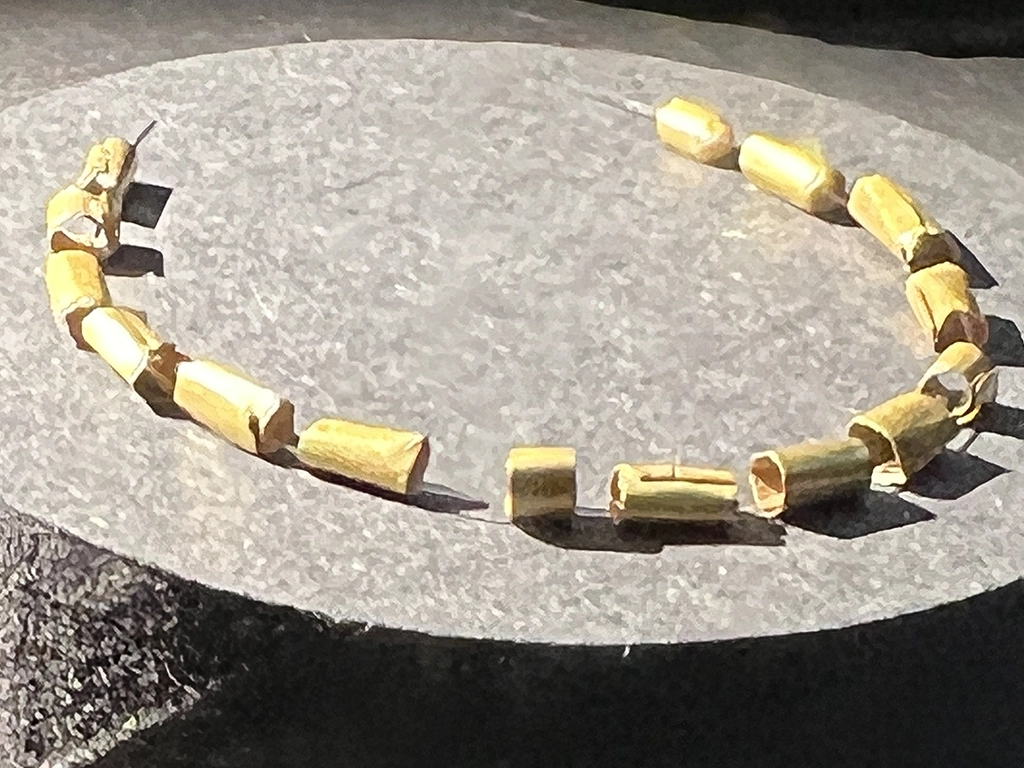
The Varna Culture, a Copper Age society in northeastern Bulgaria, is generally credited with the earliest use of gold in Europe. An elite male burial at the Varna Necropolis, dating back to 4569-4340 BC, was adorned with gold bracelets, rings, studs, and even a mace. Remarkably, this necropolis has yielded more gold artifacts than all the excavated sites combined from the same period across the globe, including Mesopotamia and Egypt. Some of the graves, symbolically empty, contained the most significant quantities of goldwork. Until an even earlier site is unearthed, the Varna goldsmiths appear to be the world's pioneering goldworkers.
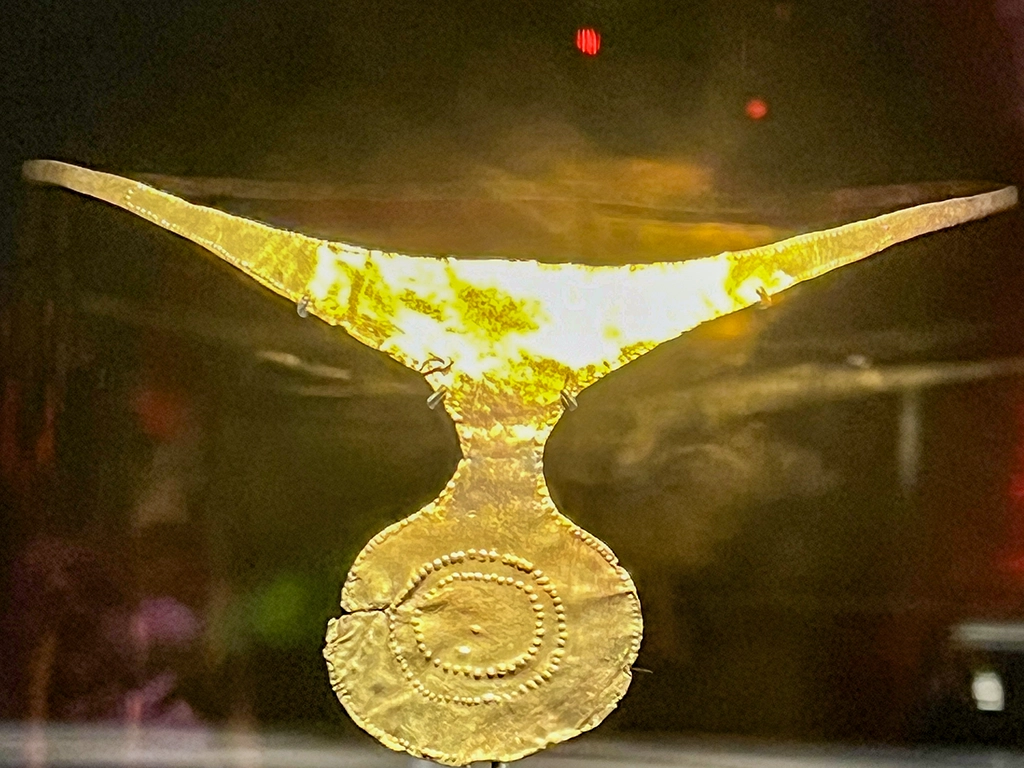
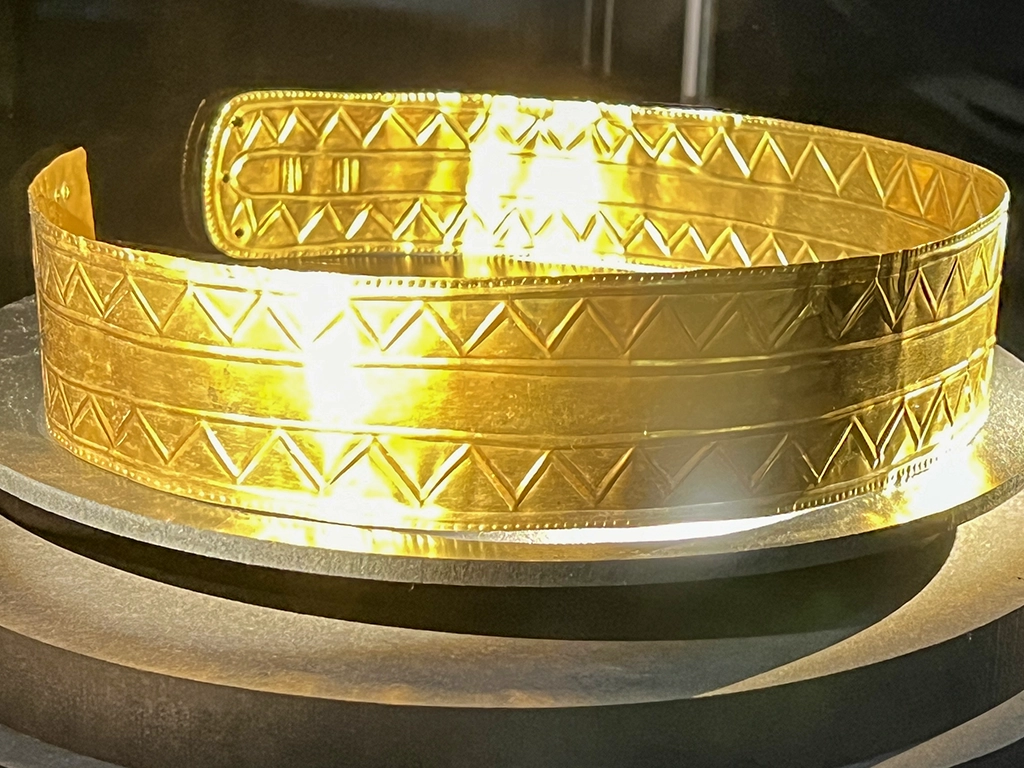
This piece lacks a precise archaeological context, although its provenance from an Argaric site, the Estrecho de la Encarnacion in the municipality of Caravaca de la Cruz, is well documented, from one of whose graves it could have emerged.
It is a unique piece since all the diadems found in the tombs of metal-working Argar culture settlements, though similar in form, are made of silver. For this reason, archaeologists have interpreted it as a luxury object reserved solely for women, as it appears in a female burial, who used it to publicly display their power and social prestige.
Four diadems of similar shape made of silver, although smooth, come from the burials excavated by the brothers Henry and Luis Siret in the eponymous site of El Argar. Those diadems are today dispersed between the Royal Museums of Art and History in Brussels, the British Museum in London and the Ashmolean Museum in Oxford.
These four diadems corresponded to funerary trousseau composed of ceramics and decorative elements, which have been interpreted as corresponding to women. Luis Siret himself, based on his findings, made a drawing in which he reconstructed the way in which Argaric women would have worn this type of jewel, girding their hair and with the front end covering the nose.
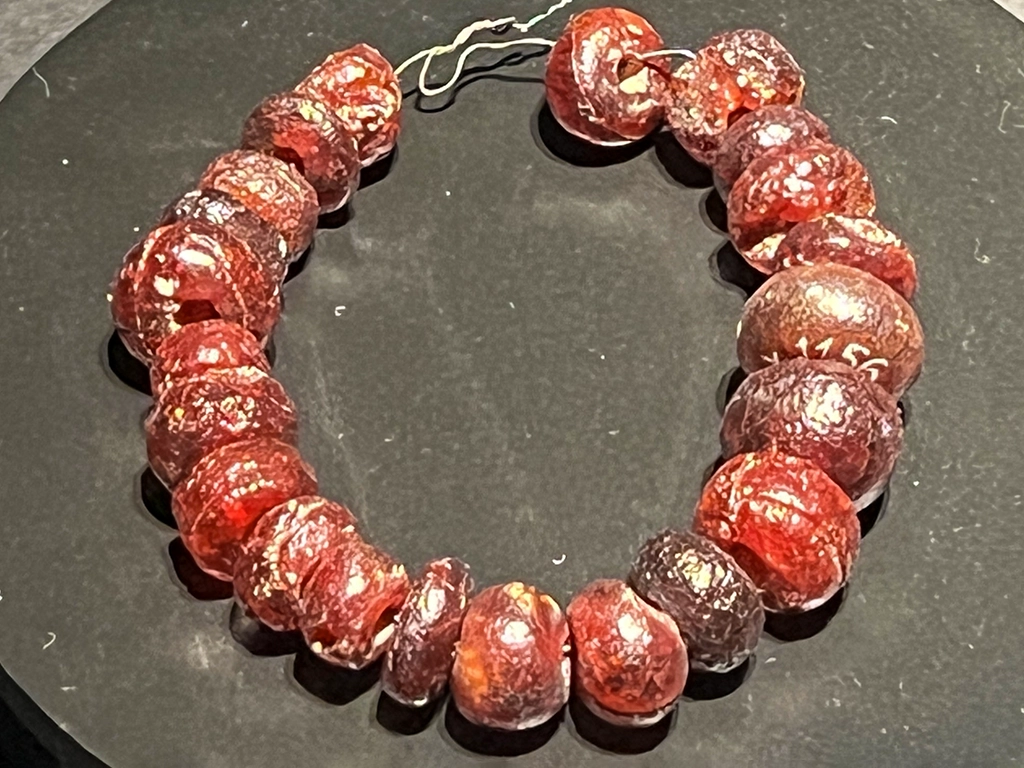
The Nizna Mysla cemetery of the Otomani-Fuzesabony Culture in the Carpathian Basin is considered to be one of the most important early bronze age sites in Central Europe.
This beautiful bracelet, crafted from Baltic amber beads, dates to between 1780 and 1690 BC.

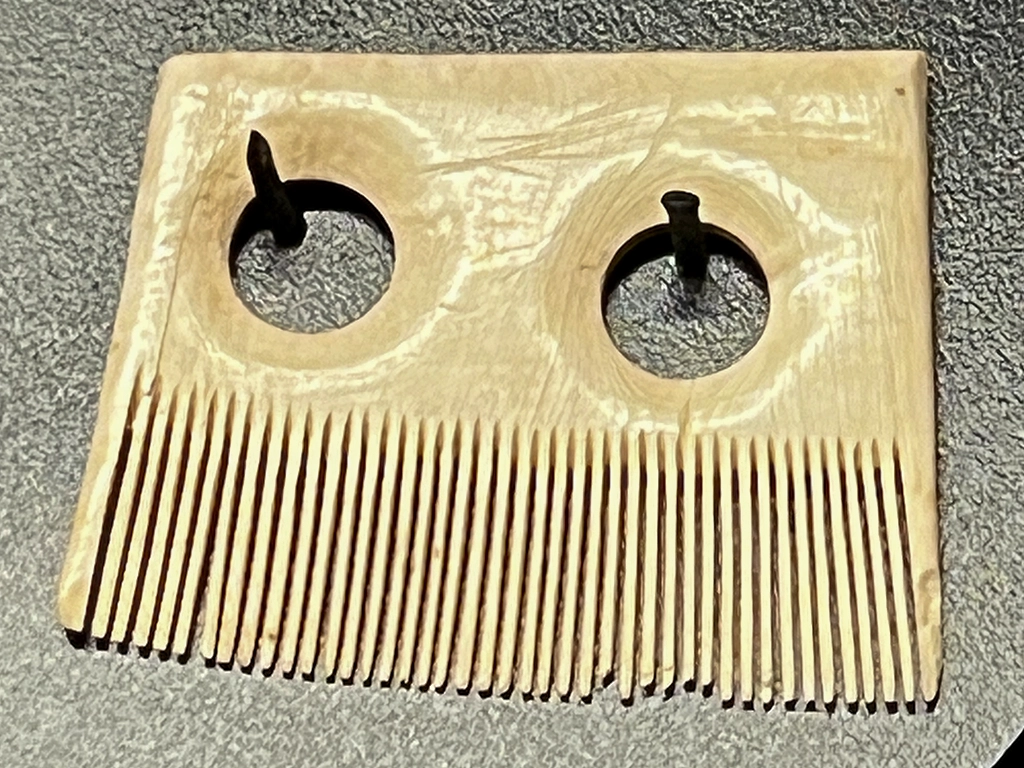
Note the work that must have gone into carving out the tines and the finger holes for extra purchase. This artefact also shows that ivory from either Asian or African, probably the latter, elephants, was making its way into the Iberian Peninsula during this period.
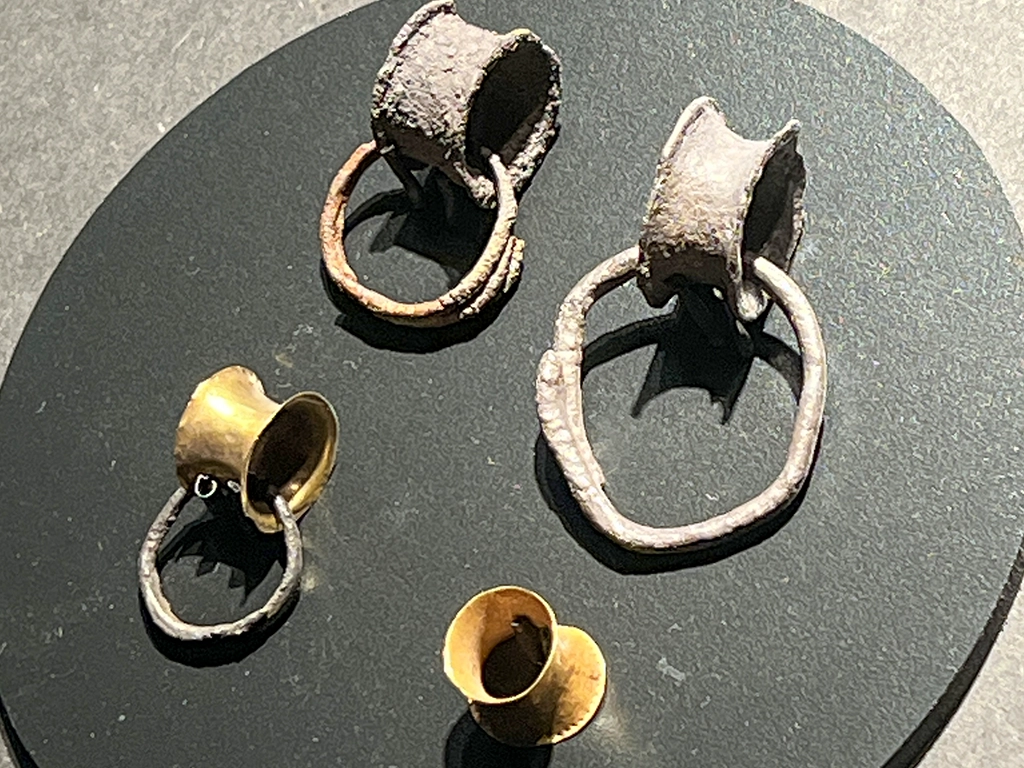
Cabezo Redondo was a Bronze Age settlement during the El Argar period. Its location, alongside the now-disappeared Lagoon of Villena near Alicante, gave the inhabitants easy access to fresh water, salt, pastures, fishing and hunting.
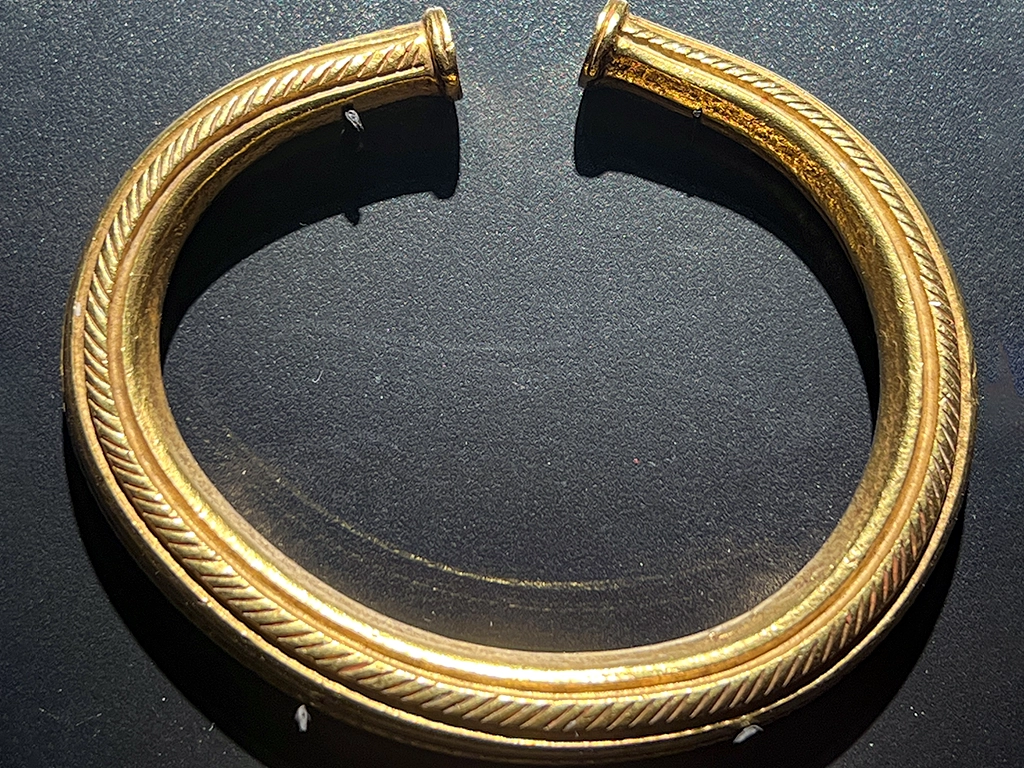
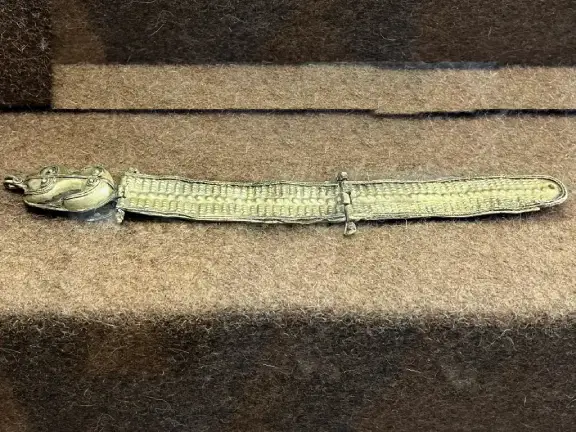
The Leubingen tumulus is an Early Bronze Age "princely" grave of the Unetice culture, dating to about 1940 BC. It is located near the hills of Kyffhäuser in Leubingen, an Ortsteil of Sommerda in the eastern German state of Thuringia.
Part of the grave goods included this fine gold bracelet. Notice the fine ornamental engraving.
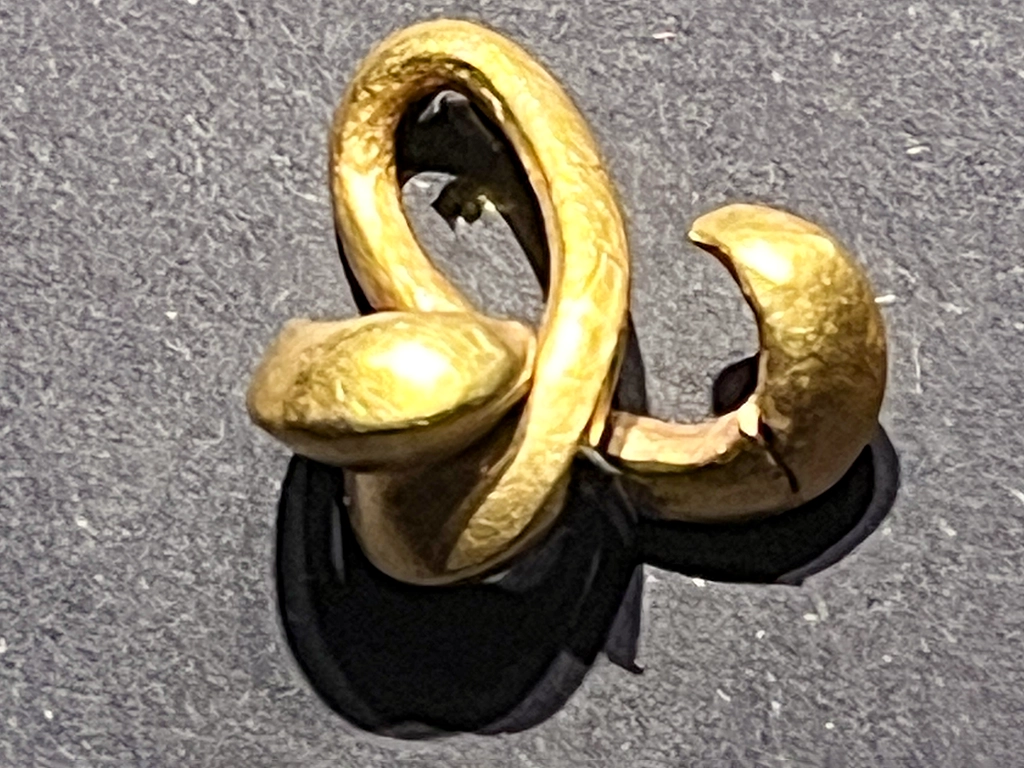
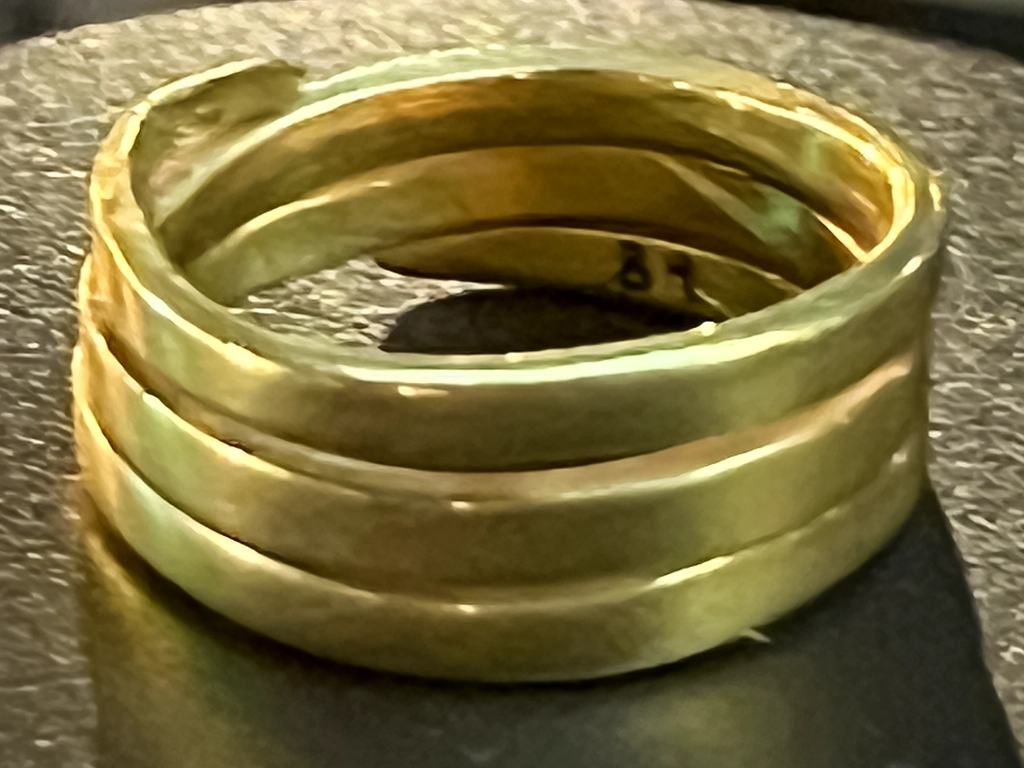
This spiral ring, in gold, is typical of those found in bronze age graves throughout Europe.

You are currently browsing the result of a massive technical overhaul. My new book, Legacy Reloaded: A dev, an AI, and the relentless pursuit of 100, chronicles the journey of transforming an aging legacy website into a modern, lightning-fast platform that hits the perfect 90+, 100, 100, 100, 3/3 Lighthouse metrics. It’s a story of collaboration between developer and AI, and the stubborn pursuit of technical perfection.
Read the StoryMore articles in the Titbits and News from the Mare Nostrum series: