Contents
The Bronze Age: A Time of Trade, Power, and Innovation in Europe
The Bronze Age, spanning roughly from 3300 to 1200 BC, witnessed a significant shift in European prehistory. While copper was readily available, tin, the other crucial component for bronze, was scarce and only found in specific regions. This scarcity fuelled the rise of extensive trade networks across Europe as early as the Early Bronze Age. Control over these resources, as well as transportation routes, became a key factor in the emergence of social stratification, with ruling elites wielding significant power. This era also saw the invention of the sword, a weapon designed specifically for warfare.
Centres of Power and Technological Advancements
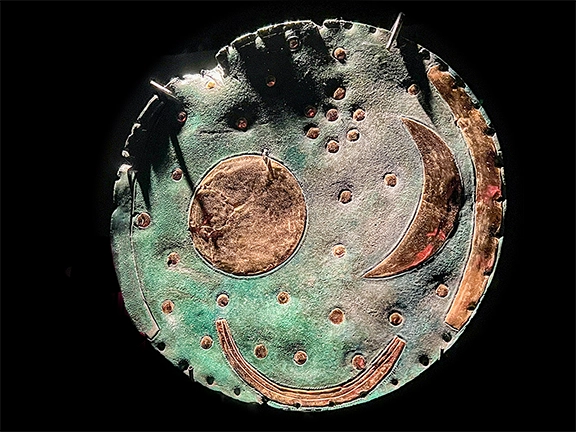
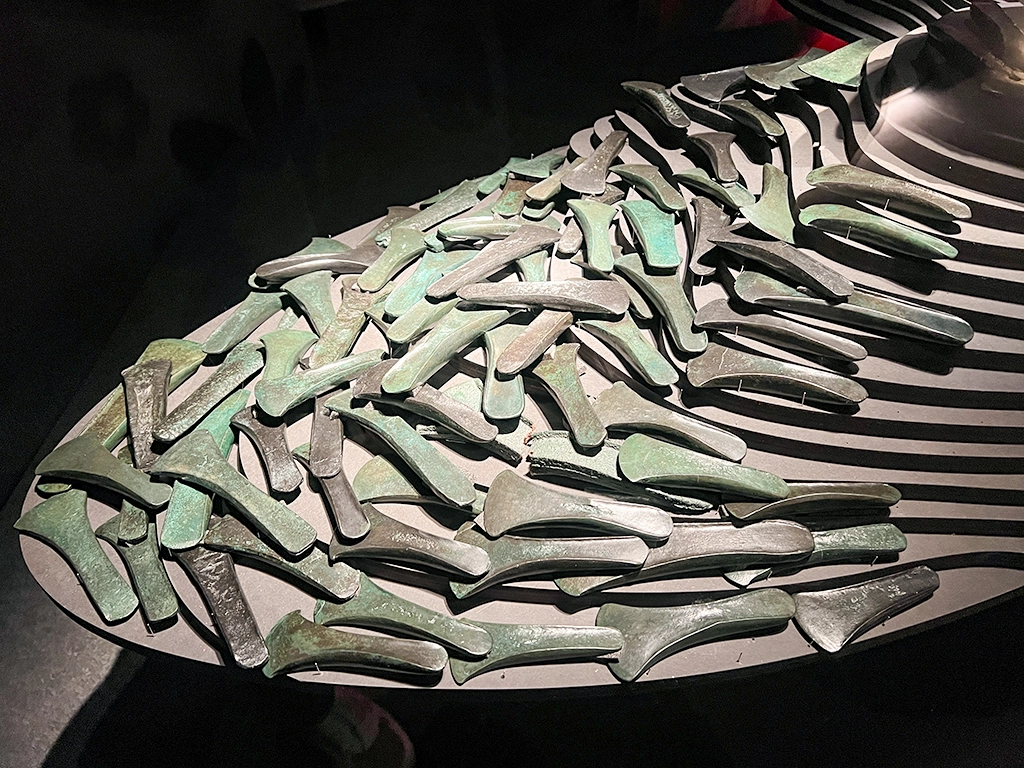
Central Europe during the Early Bronze Age was dominated by the Unetice Culture. This period is marked by richly furnished burial mounds like Leubingen and Helmsdorf, highlighting the wealth and status of the elite. The Nebra Sky Disk, a remarkable astronomical tool, further highlights the advanced knowledge possessed by these leaders. Additionally, large hoards of axes discovered from this era suggest the presence of organized armies.
Beyond Central Europe
While Central Europe flourished, other regions like the Iberian Peninsula (El Argar Culture) and the Carpathian Basin (Otomani-Fuzesabony Culture) also witnessed the rise of powerful centres.
A Glimpse into the Past: 'Dynasties' Exhibition
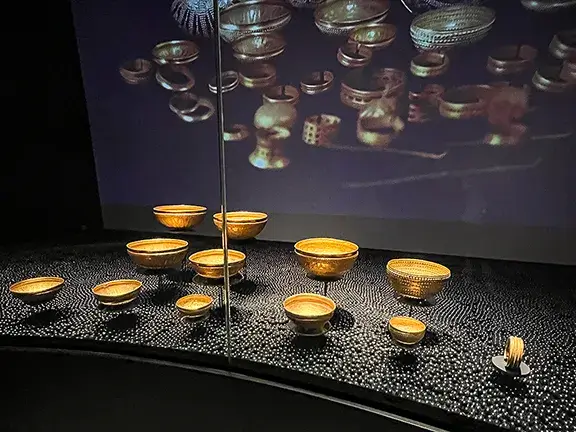
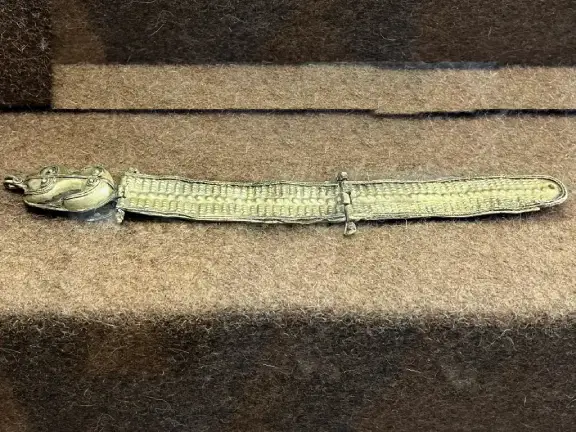
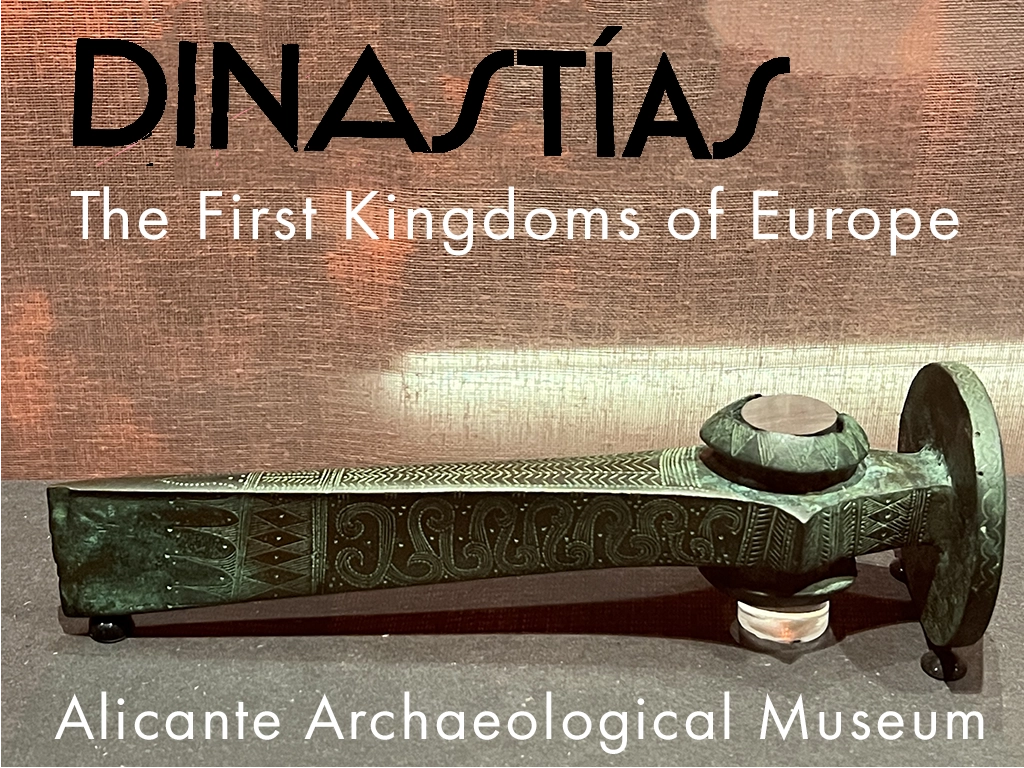
The exhibition, "Dynasties. The First Kingdoms of Prehistoric Europe", was held at the Museo Arqueologico Provincial de Alicante (MARQ) in Spain, offered a fascinating exploration of these early European power structures. The exhibition, a collaborative effort between MARQ and the State Museum of Prehistory in Halle (Saale), Germany, displayed exceptional finds from Central Europe, including a sword from the Nebra Sky Disk hoard. This exhibition built upon the success of previous displays at the British Museum and the Drents Museum Assen.
Highlighting the Nebra Sky Disk
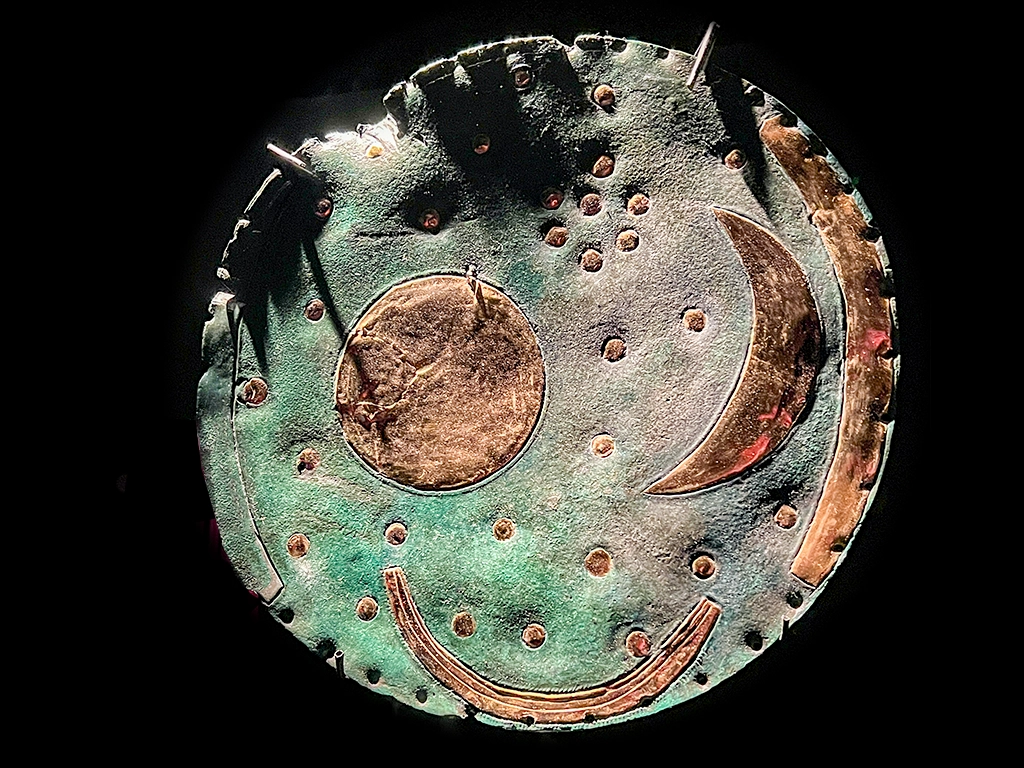
The Nebra Sky Disk, discovered near Nebra, Germany, is a true archaeological treasure. Dating back to the Early Bronze Age, this remarkable artifact highlights the astronomical knowledge of the Unetice Culture. Its inclusion in UNESCO's Memory of the World Register in 2013 underscores its cultural significance.
Treasures from Leubingen
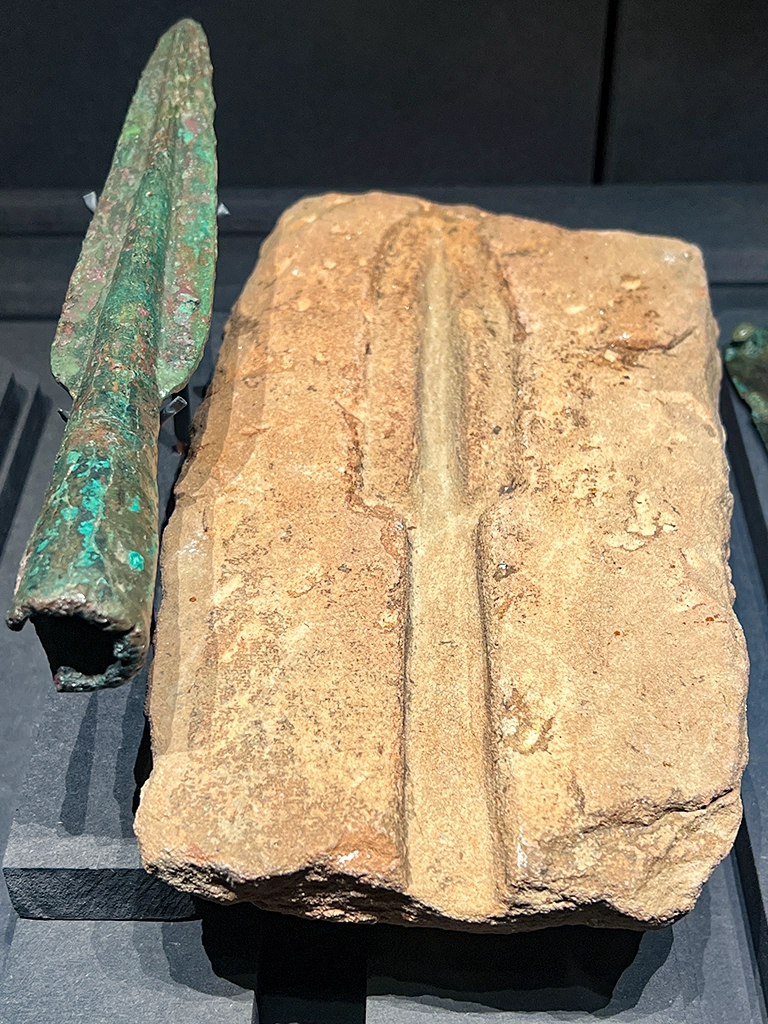
Another highlight of the exhibition is the inclusion of grave offerings from the princely tomb of Leubingen. This impressive burial site, excavated in the late 19th century, revealed a wealth of grave goods, including bronze weaponry, gold jewellery, and a Neolithic axe. These exceptional finds, along with other loans, provided a window into the lives and practices of the Early Bronze Age elite.
The Siret Collection
For over 50 years, Luis Siret and his brother Henri Siret investigated Neolithic, Chalcolithic and Bronze Age sites in Andalucia, including the El Argar site in Almeria. Many pieces from the El Argar and La Fuente sites are being displayed for the first time in Spain at the 'Dynasties' Exhibition.