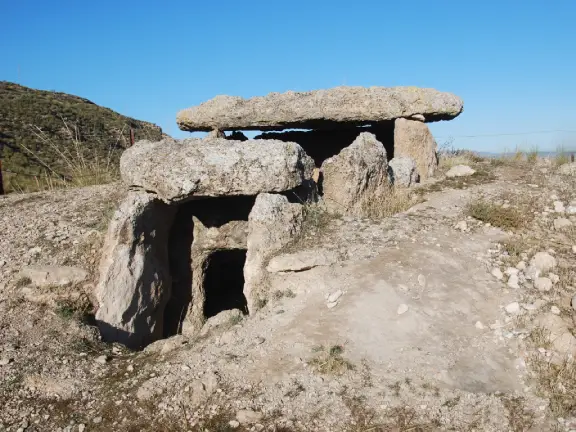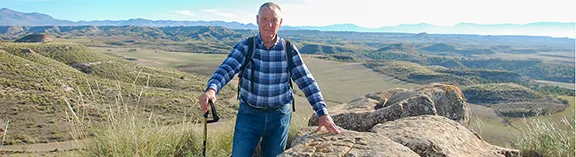
Projects page showing Nick amongst petroglyphs in Granada province, Spain

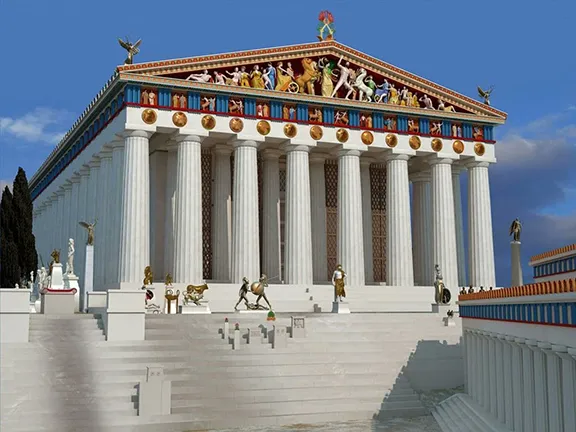
Historical projects in the ancient and classical world around the Mare Nostrum

Our projects will take us to destinations within the Mediterranean basin and without, looking at archaeological sites, visiting museums and exploring the landscape against which the events that have occurred over the last few thousand years have taken place. We will also be including accounts of some historical events that took place in the Mediterranean area that may be ancient or modern that I found unusual and fascinating or unknown and even more fascinating. Each project consists of a number of articles.

Climatic Events that Changed the World

~ published:

Climate change has significant impacts on many aspects of life and nature. Climate changes are long-lasting differences and changes in the temperature and weather, which represent a significant risk today. The sensitivity of societies to the simultaneous impacts of climate change on agriculture has...

See the articles »
Levantine Cave Art

~ published:

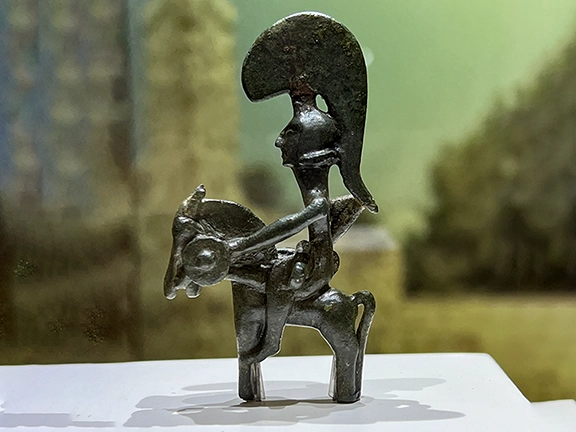
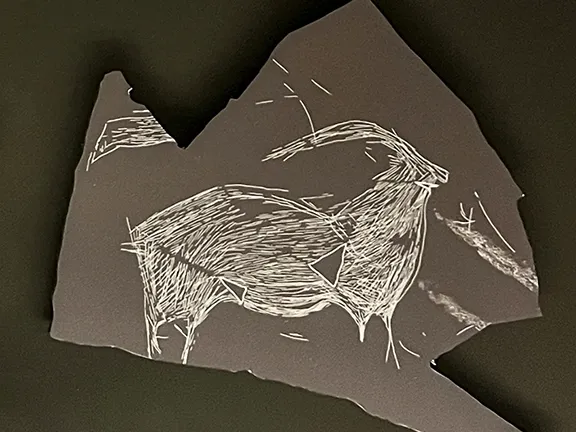
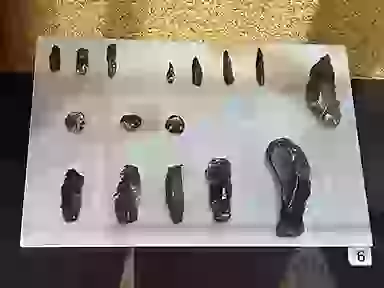
In the Valencia region of Spain, portable cave art, as opposed to the permanently fixed art on cave and rock shelter walls, is quite common.

What is not common is the accumulation of portable cave art in one place and the means and opportunity to reasonably accurately date the pieces....

See the articles »

The First Maritime Routes in the Mediterranean

~ published:

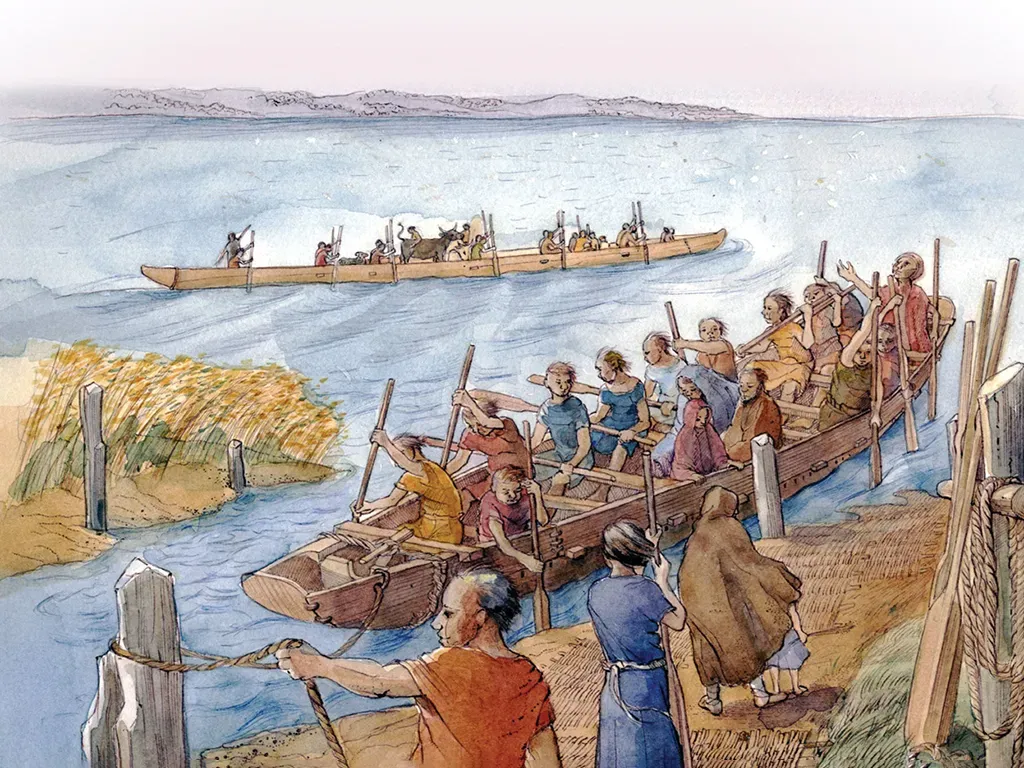
The Mesolithic people were the first to begin crossing open stretches of water to explore islands. They were primarily looking for new hunting grounds. On rare occasions they found obsidian that would have been highly valued in exchange networks back on the mainland. By the time of the Neolithic...

See the articles »

Ancient Trade Routes in the Mediterranean

~ published:

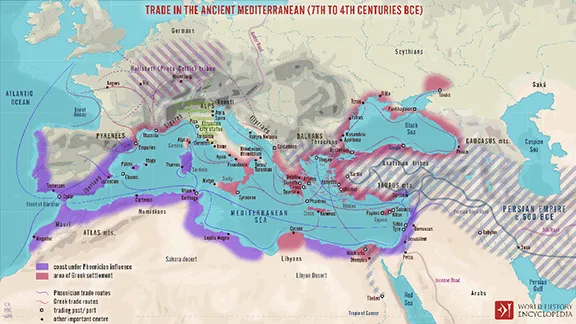
The Mare Nostrum, or Mediterranean Sea, was the centre of the world until Europeans arrived in the Americas in the late 15th century AD. From the earliest incursions into the Mediterranean area, humans have created exchange and later trade routes in order to survive. These spider's webs of...

See the articles »

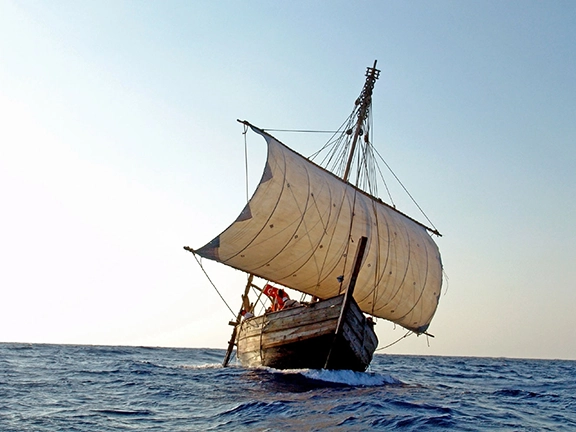
Bronze Age Shipbuilding in the Mediterranean

~ published:

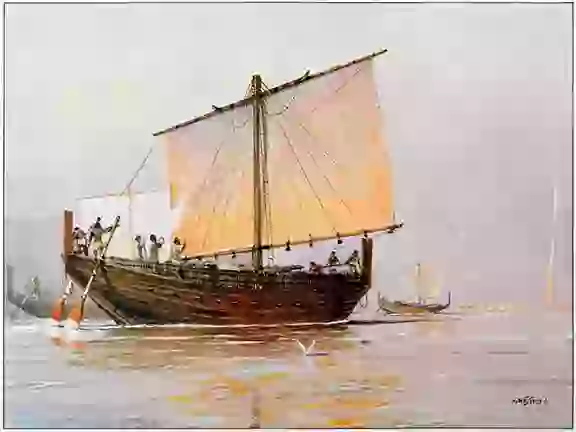
During the Bronze Age, maritime activity in the Mediterranean Sea burgeoned as the emerging elites and powerful states demanded more resources from outside the boundaries of their empires.

Not surprisingly, ships carrying those resources increased in size, carrying capacity and...

See the articles »

Ancient Mediterranean Shipyards and Harbours

~ published:

Since no remains of any boats dating to the early part of the Mesolithic have been discovered we have to surmise that they were either fire hollowed dugout canoes, reed boats or skin and frame construction, all feasible with the technology of the time. Such boats would have been constructed as and...

See the articles »

Bronze Age Shipwrecks in the Mediterranean Sea

~ published:

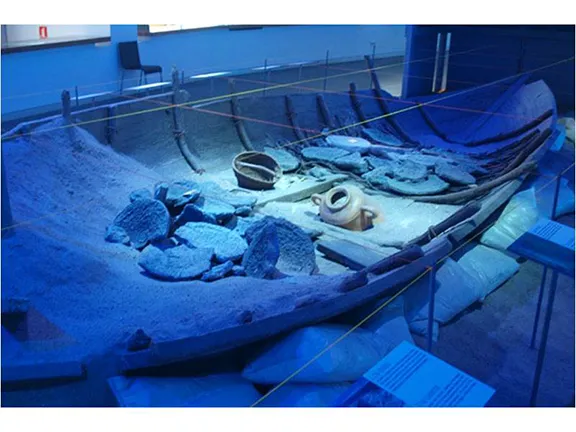
The Mediterranean Sea has been a crossroads of human civilization for millennia, and the many shipwrecks that lie on its bottom are a treasure trove of information for archaeologists. These wrecks can tell us about the ships themselves, the cargo they were carrying, the people who built and sailed...

See the articles »

Civilisations that Collapsed

~ published:

Towards the end of the Bronze Age, traditionally dated at 1200 BC, the civilisations that had emerged over the previous millennia in the Middle East collapsed.

This series of articles questions whether the disappearance of those civilisations was as a result of a 'collapse' or whether there...

See the articles »

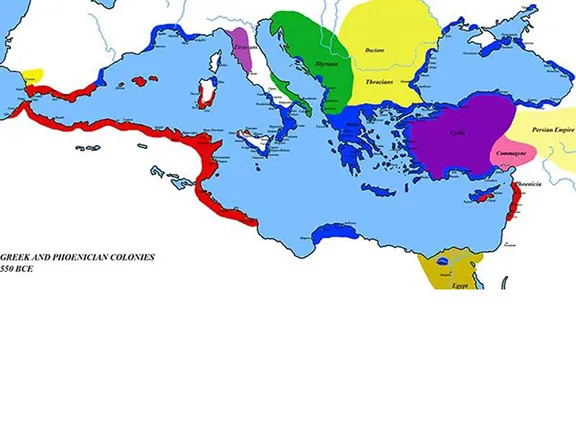
Phoenician Expansion during the Iron Age

~ published:

The bronze age civilisations in the Middle East, the Mitanni, Minoans, Mycenaeans, Assyrians and Hittites, have gone. Only Egypt and the Elamites survived the chaos of the bronze age collapse, both weakened and soon to be conquered by a resurgent Assyria. Surprising survivors, barely affected...

See the articles »

Increasing Competition for Trade

~ published:

The nature of maritime trading practices fundamentally changed after the Bronze Age collapse. Competition between the new trading nations, the Phoenicians, Carthaginians, Greeks and ultimately the Romans, increased, resulting in the first trade wars. Meanwhile adventurers explored new...

See the articles »

Iron Age Shipyards, Harbours and Emporia in the Mediterranean

~ published:

The eastern Mediterranean maritime trading networks of the Bronze Age fractured following the disruption of the Bronze Age collapse. Many of the major maritime trading hubs in the Levant, such as Ugarit (destroyed between 1190 – 1185 BC), Ashkelon and Ashdod (both destroyed about 1190 BC), had...

See the articles »

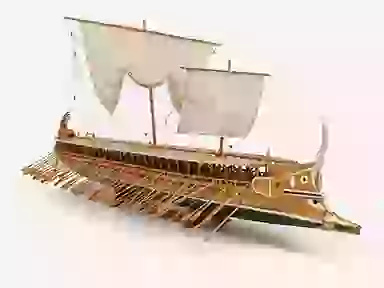
Shipbuilding in the Mediterranean 1200 BC - 400 AD

~ published:

The collapse of the Bronze Age empires in the Middle East, exacerbated by a fracture of the land based and maritime trading routes, saw a hiatus in ship design. New demands on the coastal cities in the eastern Mediterranean by emerging empires caused a resurgence in overseas trade with a consequent...

See the articles »

Iron Age Shipwrecks in the Mediterranean Sea

~ published:

After 1200 BC, the Bronze Age civilisations in the Middle East either collapsed or re-invented themselves. It is noticeable that very few shipwrecks have been found in the Mediterranean Sea that can be dated between 1200 and 800 BC. Did the so called collapse of the Bronze Age fracture the maritime...

See the articles »

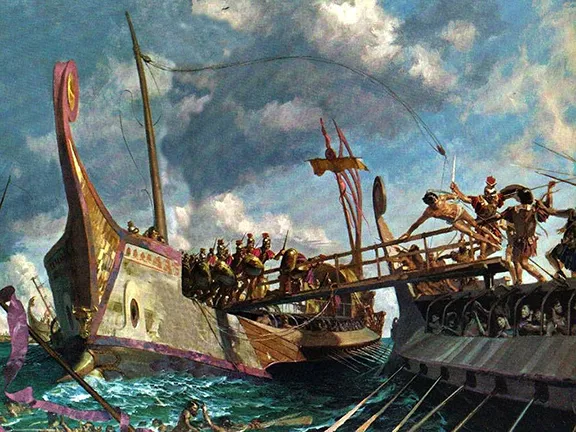
Roman Era Shipwrecks in the Mediterranean

~ published:

We are going to be looking at wrecks from the Roman Republic, 509 BC, until the end of the Roman Empire in 476 AD.

Rome transitioned into a significant maritime power during the Punic Wars, specifically between 264 and 146 BC, culminating in their dominance over the Mediterranean Sea after...

See the articles »

Titbits and News from the Mare Nostrum

~ published:

Here we will bring you the latest news of archaeological discoveries and historical news from around the Mare Nostrum, the Mediterranean...

See the articles »

Mining in Andalucia

~ published:

Over the course of millennia, a succession of civilizations capitalized on Andalucia's mineral wealth. The Los Millarians, the Argars, Tartessians, Phoenicians, Greeks, Carthaginians, and Iberians all left their mark on the region's mining history. It was the Romans who truly transformed mining...

See the articles »

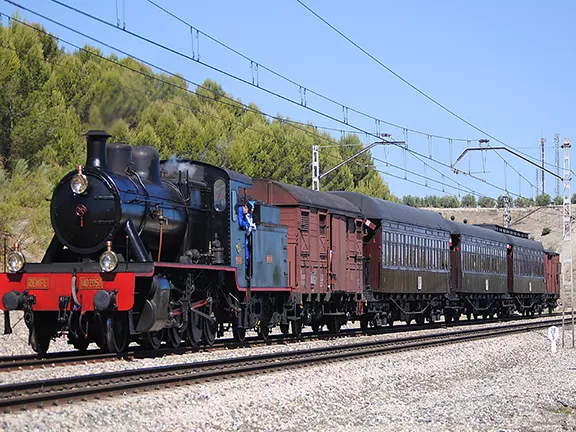
The Grandiose Ambition of the Great Southern of Spain Railway Company Ltd.

~ published:

The Grandiose Ambition of the Great Southern of Spain Railway Company Ltd., details the dramatic history of the British-owned GSSR, founded in 1885 with the grand, but ultimately unfulfilled, scheme to build a railway from Granada to Murcia.

The articles focus on the completed and profitable...

See the articles »

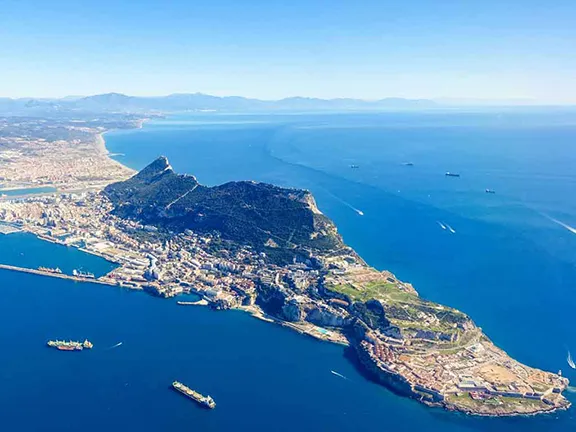
Gibraltar's Secret Wars

~ published:

During World War II, whilst most of Europe suffered under the Nazi jackboot, a tiny speck on the map, Gibraltar, stood defiant. While Spain played a precarious game of neutrality, this formidable British rock became the linchpin for Allied victory. It wasn't just a fortress; it was a lifeline,...

See the articles »

The Palomares Incident

~ published:

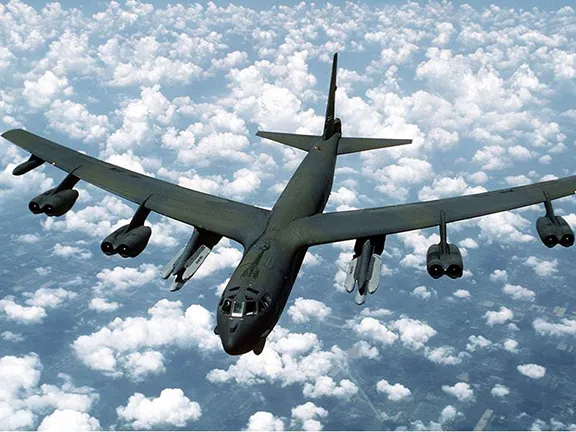
In the annals of nuclear history, one incident stands out as a stark reminder of the dangers and risks associated with nuclear weapons. The Palomares Incident, which took place in 1966, served as a wake-up call to the world, highlighting the potential consequences of a nuclear accident. This...

See the articles »
The Plastic Revolution in Almeria

~ published:

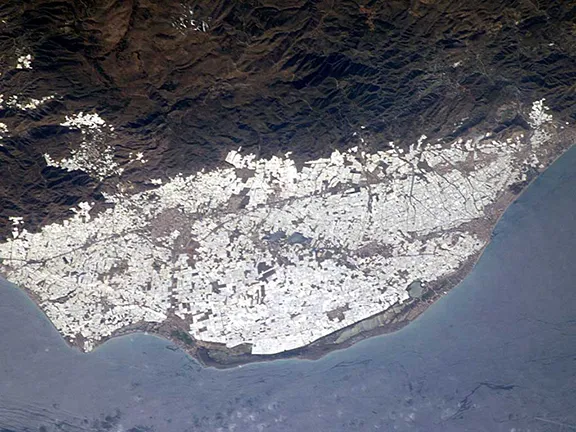
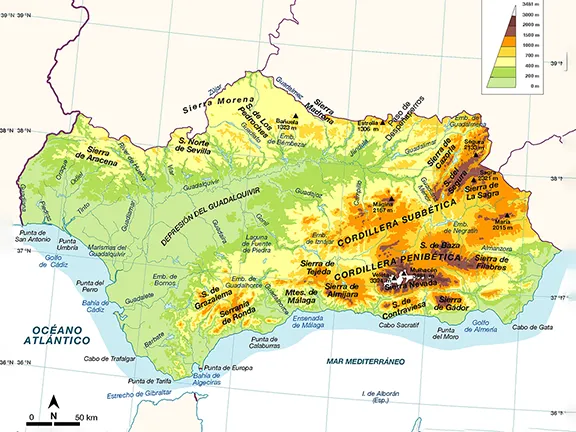
The plastic greenhouses in the Campo de Dalias in Almeria are one of only three man made structures visible from space. They cover an area of over 46,000 hectares and have revolutionised the economy in the area. Of the eight Andalucian provinces, Almeria exports the most horticultural products. The...

See the articles »