Iron Age Shipwrecks in the Mediterranean Sea
After 1200 BC, the Bronze Age civilisations in the Middle East either collapsed or re-invented themselves. It is noticeable that very few shipwrecks have been found in the Mediterranean Sea that can be dated between 1200 and 800 BC. Did the so called collapse of the Bronze Age fracture the maritime trade routes for four hundred years?
The Iron Age, spanning roughly from 1200 to 500 BC, marked a transformative period in the Mediterranean region. This era witnessed the rise of powerful civilisations like the Phoenicians and Greeks, who established extensive maritime trade networks across the sea.
The Phoenicians were renowned for their seafaring skills and were masterful traders. They founded colonies like Carthage and established trade routes reaching as far as Britain and West Africa. Their ships carried valuable commodities such as purple dye, glass, and fine textiles.
The Greeks, with their growing city-states, also became active traders. They sought luxury goods like spices, perfumes, and precious metals from distant lands. Greek colonies dotted the Mediterranean coast, facilitating trade and cultural exchange.
The Mediterranean Sea served as a vital highway for trade. Ships carrying diverse goods sailed between ports, connecting civilisations and fostering economic growth.
Trade with Egypt and the Near East brought goods like papyrus, linen, and exotic spices
Connections with North Africa and Iberia facilitated the exchange of metals, agricultural products, and pottery.
Besides luxury goods, trade also involved essential items like timber, metals (iron, copper, tin), and agricultural produce.
1: Dor's Iron Age wrecks 11th-6th centures BC
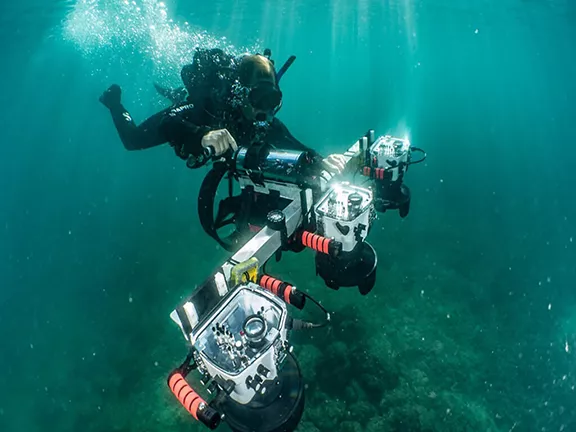
Archaeologists uncover the first Iron Age shipwrecks off Israel's coast near Dor. The three superimposed wrecks span the...
Read the article »2: Carmel Atlit shipwreck c 800 - 750 BC
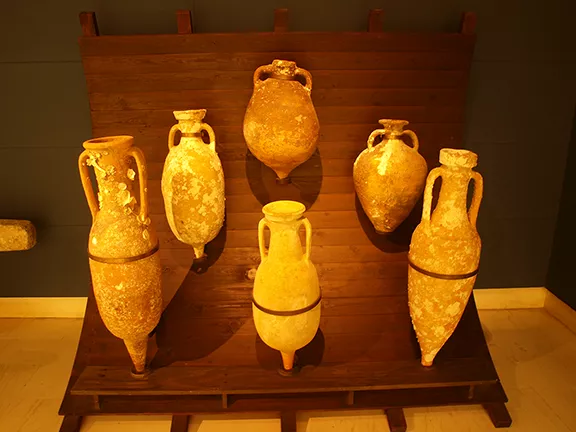
Discovered by Ehud Galili off Israel's Carmel Coast, the Carmel Atlit shipwreck (c. 800-750 BC) is one of the oldest Pho...
Read the article »3: Tanit and Elissa c 750 BC
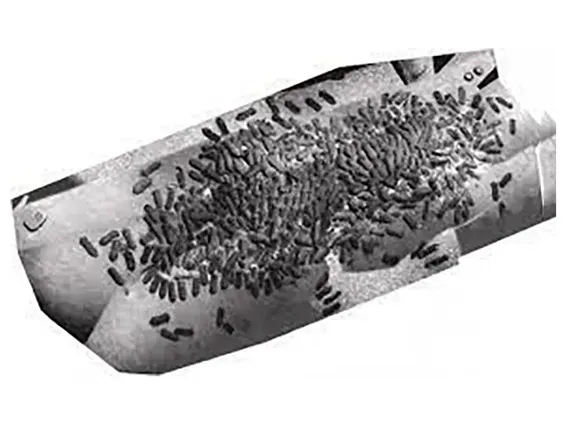
The iron age shipwrecks of the Tanit and Elissa, found in deep water off Ashkelon, Israel, were the first ancient deep s...
Read the article »4: Xlendi Bay shipwreck off Gozo c 700 BC
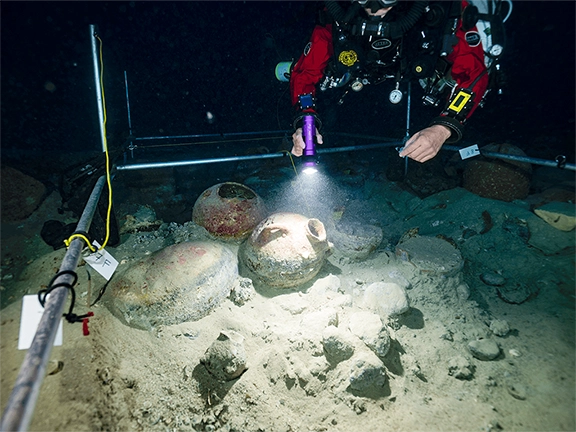
The Phoenician period shipwreck off Xlendi Bay on the island of Gozo sank about 700 BC. It was carrying a mixed cargo....
Read the article »5: The Kekova Adası shipwreck c 650 BC
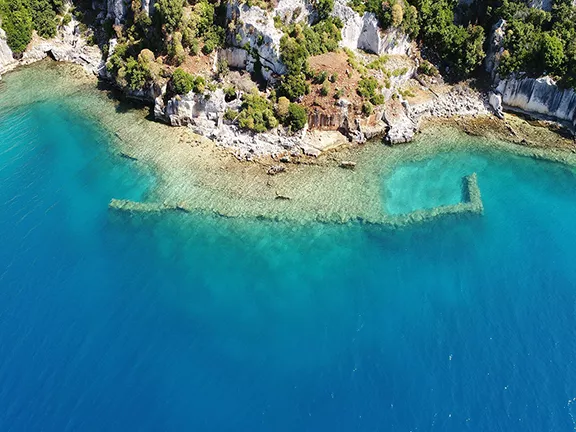
The Kekova Adası shipwreck is a key 7th-century BC discovery for understanding Early Archaic trade in the Eastern Medit...
Read the article »6: Kepçe Burnu Shipwreck 650 – 600 BC
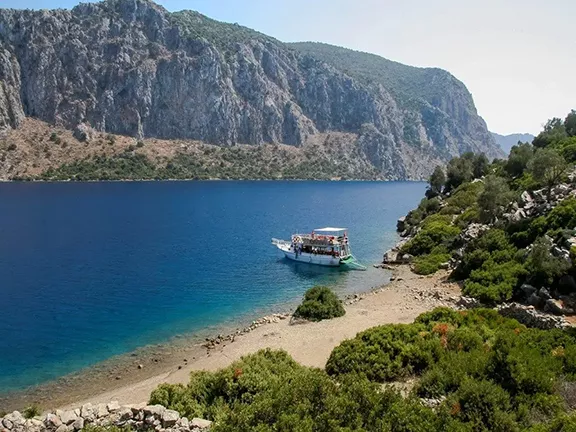
The Kepçe Burnu shipwreck (mid- to late 7th century BC) offers crucial evidence for Early Archaic long-distance trade. ...
Read the article »7: Çaycağız Koyu Shipwreck c 600 BC

The Çaycağız Koyu shipwreck (c. end 7th/early 6th century BC) offers key insights into Early Archaic maritime trade. ...
Read the article »8: Mazarron II 625 - 570 BC Phoenician period
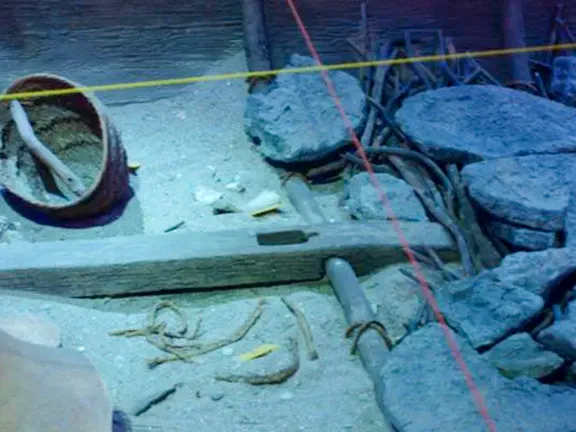
Mazarron II is a trading vessel that sank during the Phoenician period off the coast of Mercia in southern Spain about 6...
Read the article »9: Mazarron I c 600 BC Phoenician period
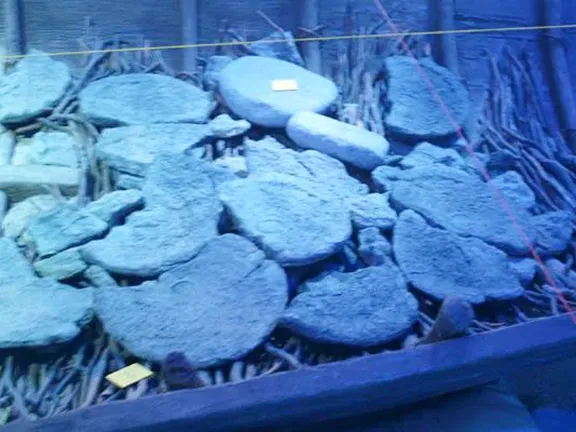
Mazarron I is a coastal trading vessel that sank off the coast of Murcia in southern Spain about 600 BC during the Phoen...
Read the article »10: The Bajo de la Campana c 600 BC
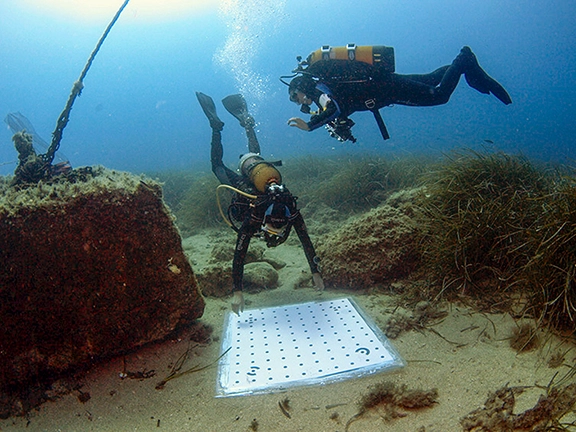
The cargo from the Bajo de la Campana Phoenician period shipwreck compared to artifacts found at known Phoenician ports ...
Read the article »11: The Rochelongue underwater site c 600 BC
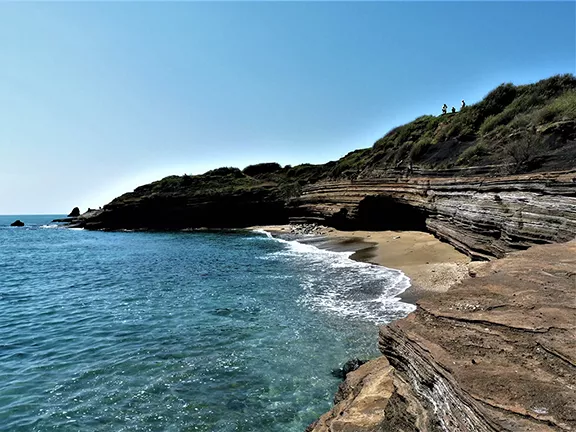
The Rochelongue underwater site off the coast of France is a significant Early Iron Age find. Learn about its discovery,...
Read the article »12: Giglio Etruscan shipwreck c 580 BC
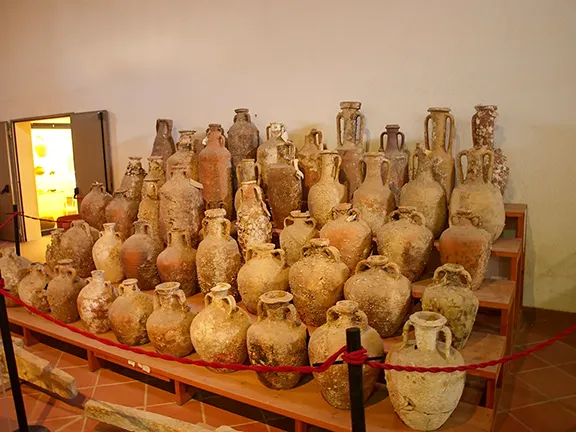
Discover the fascinating Giglio Shipwreck, a 6th-century BC Etruscan merchant vessel found off the coast of the island o...
Read the article »13: Pabuç Burnu shipwreck 570 - 560 BC
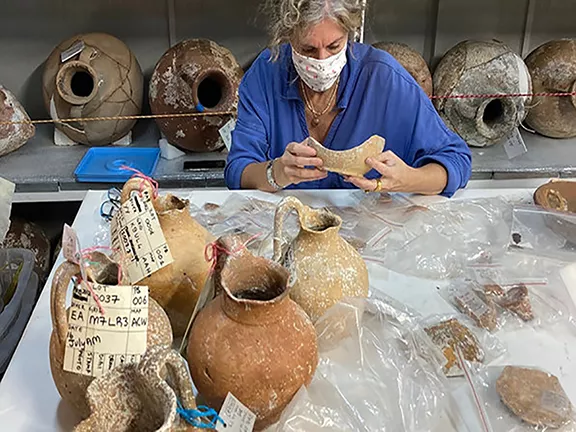
Discovered near Bodrum, the 6th-century BC Pabuç Burnu shipwreck reveals the first evidence of laced Greek hull constru...
Read the article »14: Ispica - Greek Shipwreck 600 - 400 BC
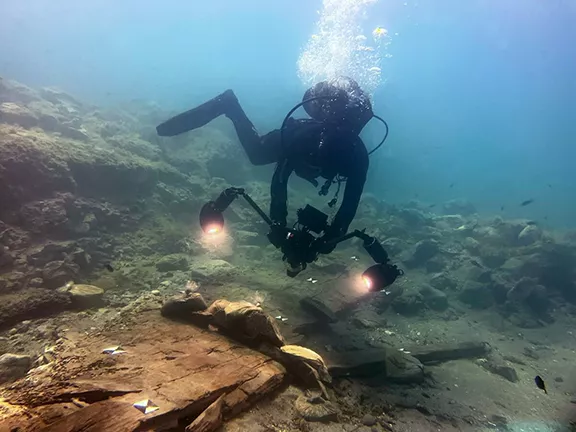
A 2,500-year-old Greek shipwreck, dating to between the 6th and 5th century BC, discovered off Sicily's Santa Maria del ...
Read the article »15: Gela I shipwreck 500 - 480 BC
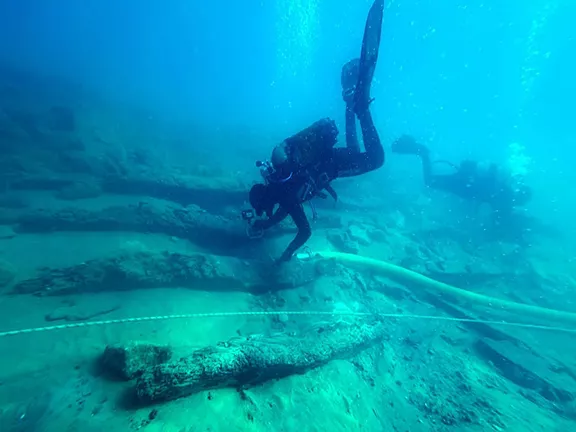
Discovered off Sicily, the Gela 1 wreck offers a rare look at 5th-century BC Archaic Greek trade. Learn about its unique...
Read the article »16: Gela 2 shipwreck 490 – 450 BC
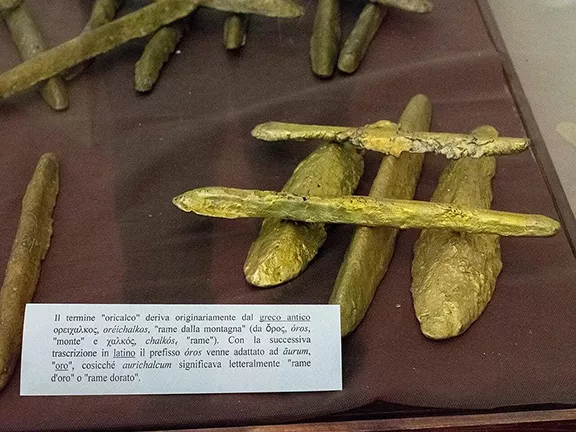
The Gela 2 shipwreck (490–450 BC) found off Sicily reveals a rare dual-technology Greek hull (mortise-and-tenon and se...
Read the article »