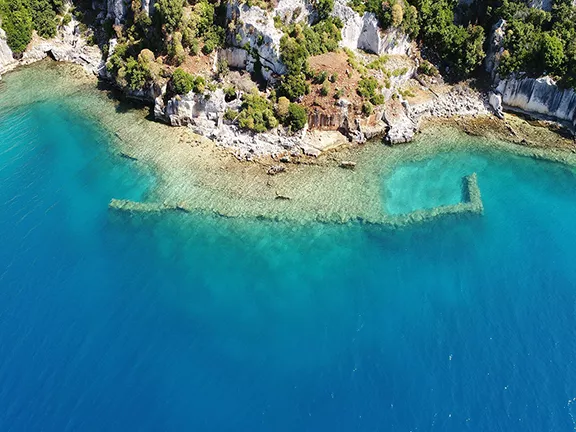
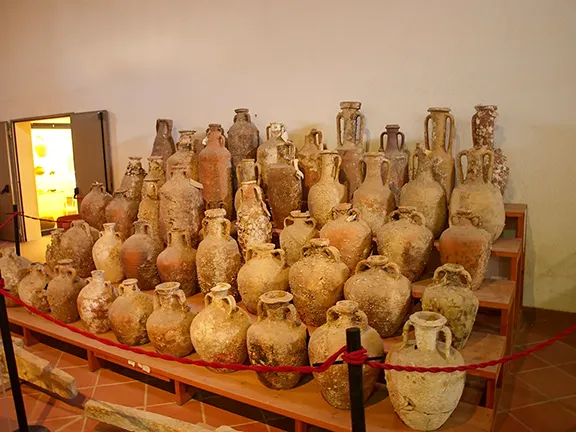
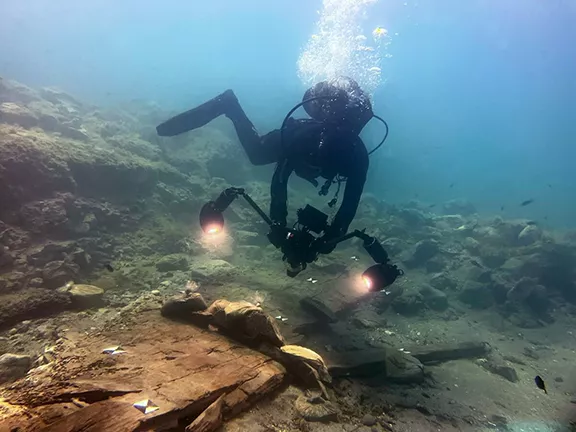
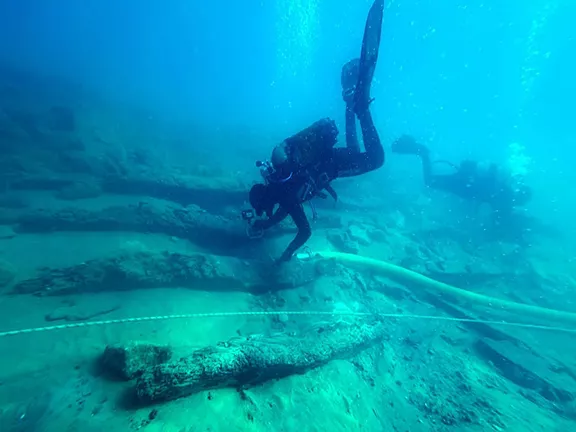
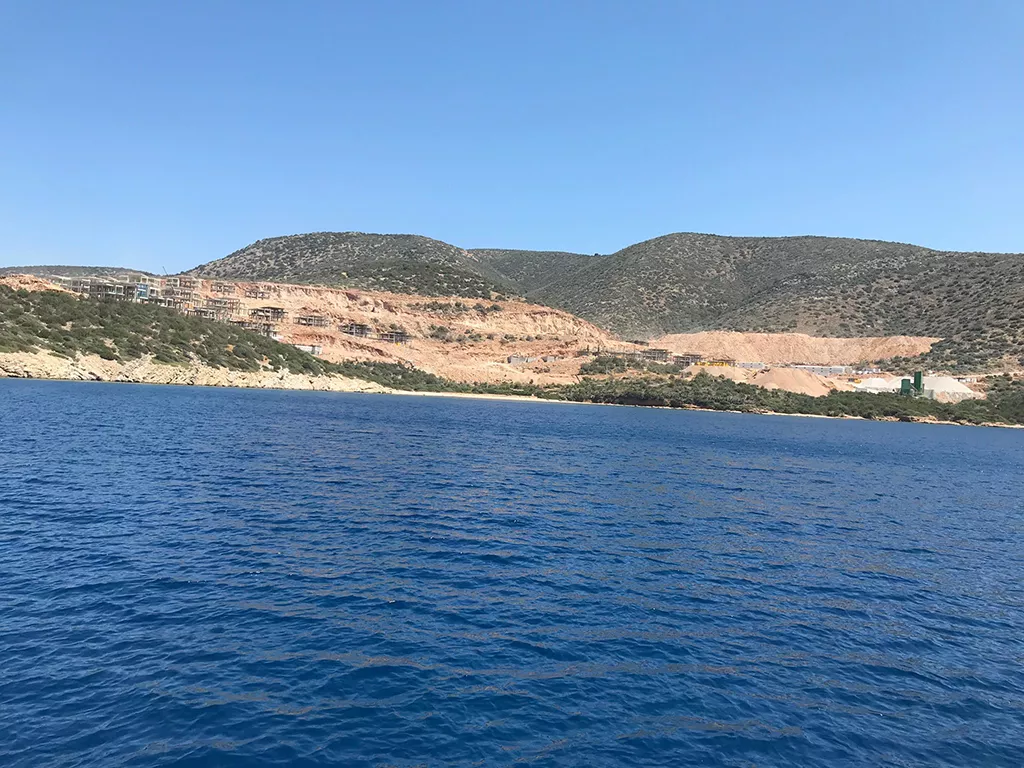
The wreck lies off Pabuç Burnu (Shoe Point), a promontory southeast of Bodrum (ancient Halikarnassos) on the Aegean coast of Turkey.
The ship is dated to the first half, likely the second quarter, of the 6th century BC (around 570-560 BC).
Iron Age Shipwrecks in the Mediterranean Sea
By Nick Nutter | Published: 2025-10-21 | Updated: 2025-10-23
Visited 1,463 times
Discovered near Bodrum, the 6th-century BC Pabuç Burnu shipwreck reveals the first evidence of laced Greek hull construction in the Aegean, showing an early transition to tenon joinery. Excavated by INA in 2002-2003.
The wreck lies off Pabuç Burnu (Shoe Point), a promontory southeast of Bodrum (ancient Halikarnassos) on the Aegean coast of Turkey.
The ship is dated to the first half, likely the second quarter, of the 6th century BC (around 570-560 BC).
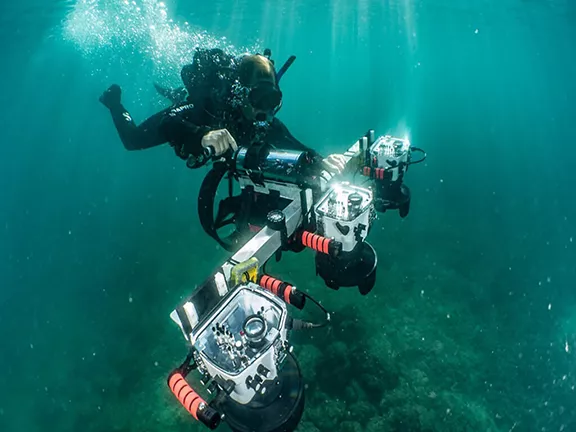
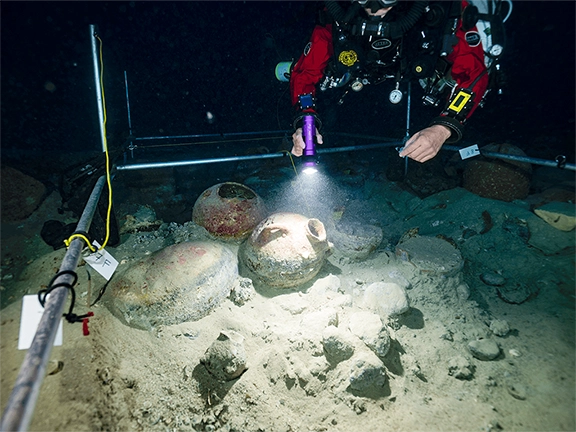
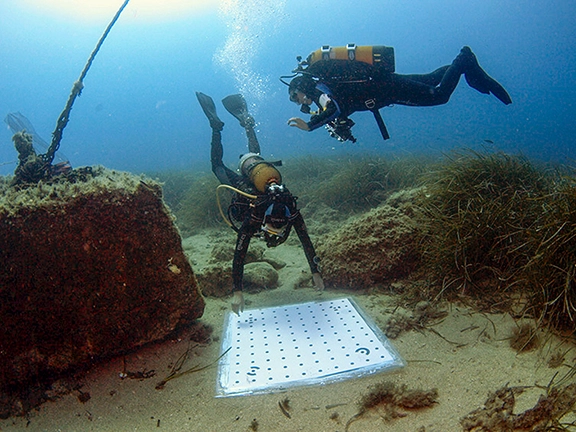
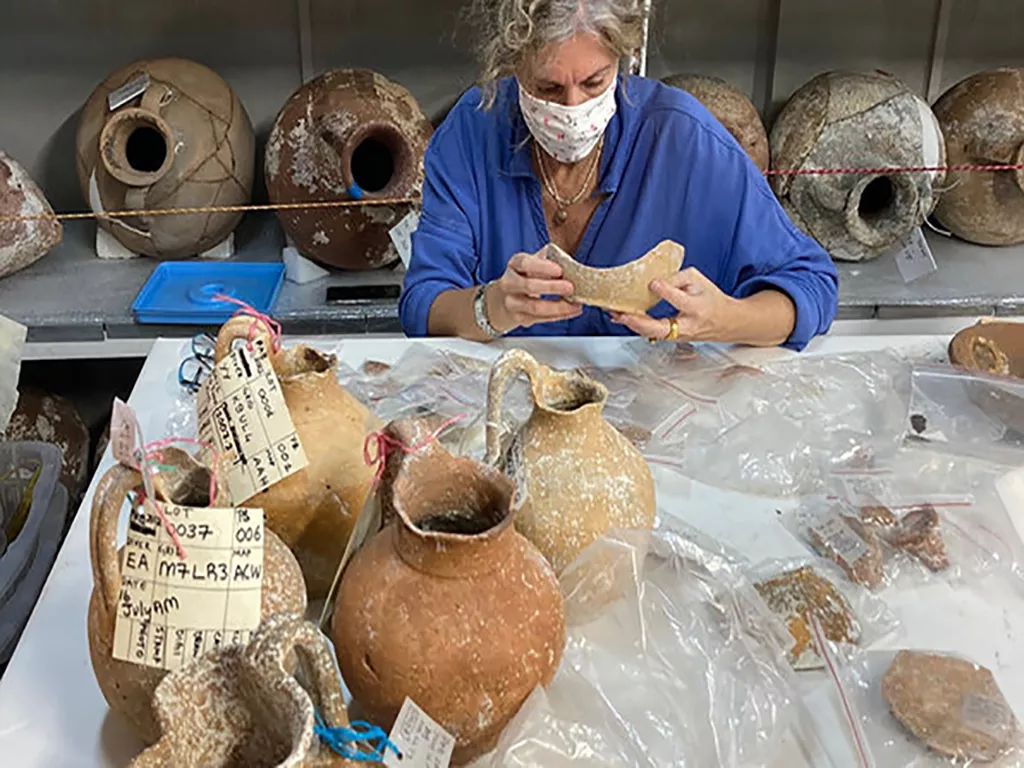
The main excavation, led by INA (Institute of Nautical Archaeology) archaeologists like George Bass, Elizabeth S. Greene, and Mark Polzer, took place in the summers of 2002 and 2003.
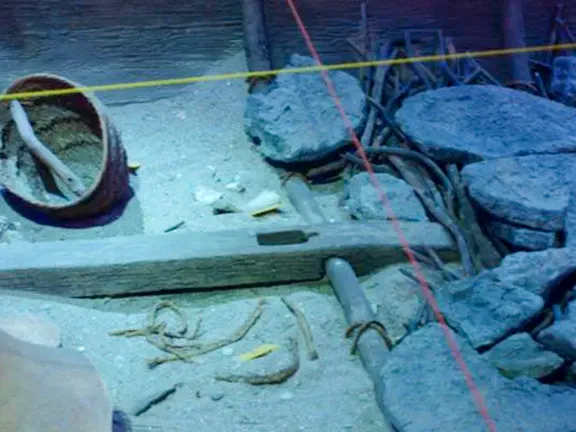
The scant hull remains provided the first archaeological evidence for laced shipbuilding in the Aegean. The planks were laced together with ligatures. Significantly, the construction also included the use of tenons as coaks (edge inserts), which is seen as an early transitional stage paving the way for the later, more common mortise-and-tenon joinery of classical shipbuilding.
Lacing: Ligatures, made from fibrous plants, were then laced through oblique holes drilled through characteristic tetrahedral notches along the edges of the planks.
Pegging: After lacing, alder pegs were hammered into the holes to secure the ligatures and create a watertight seal.
Framing: The ship had widely spaced, manufactured frames. These frames had trapezoidal sections and were notched over the planking seams on their underside. The frames were then lashed to the hull. Top-timbers with rectangular sections were inserted along the upper sides of the hull and were attached to the planking by both lashing and treenails (wooden dowels).
Repair evidence: Two repair planks found on the hull were attached using a combination of lacing and dowels/coaks inserted through diagonal holes, indicating repair techniques of the time.
Significance: The employment of tenons as coaks marks an early step towards the later widespread adoption of mortise-and-tenon joinery. The presence of both lacing and early forms of tenon joinery suggests that the mortise-and-tenon technique might have developed within the Greek tradition of laced construction, rather than being solely adopted from Phoenician or other shipbuilding practices.
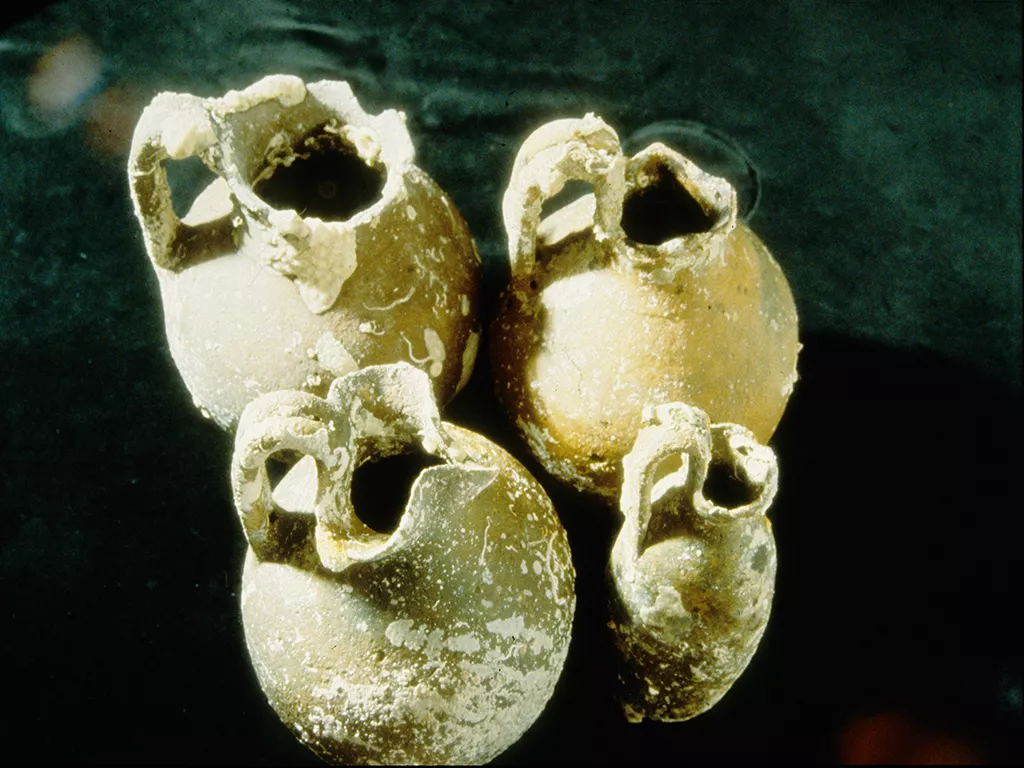
Greene, Elizabeth S., Mark L. Lawall, and Mark E. Polzer. "Inconspicuous Consumption: The Sixth-Century B.C.E. Shipwreck at Pabuç Burnu, Turkey." American Journal of Archaeology (2008).
Polzer, Mark E. "An Archaic Laced Hull in the Aegean: The 2003 Excavation and Study of the Pabuç Burnu Ship Remains" and "The VIth-Century B.C. Shipwreck at Pabuç Burnu, Turkey. Evidence for Transition from Lacing to Mortise-and-Tenon Joinery in Later Archaic Greek Shipbuilding."

You are currently browsing the result of a massive technical overhaul. My new book, Legacy Reloaded: A dev, an AI, and the relentless pursuit of 100, chronicles the journey of transforming an aging legacy website into a modern, lightning-fast platform that hits the perfect 90+, 100, 100, 100, 3/3 Lighthouse metrics. It’s a story of collaboration between developer and AI, and the stubborn pursuit of technical perfection.
Read the StoryMore articles in the Iron Age Shipwrecks in the Mediterranean Sea series: