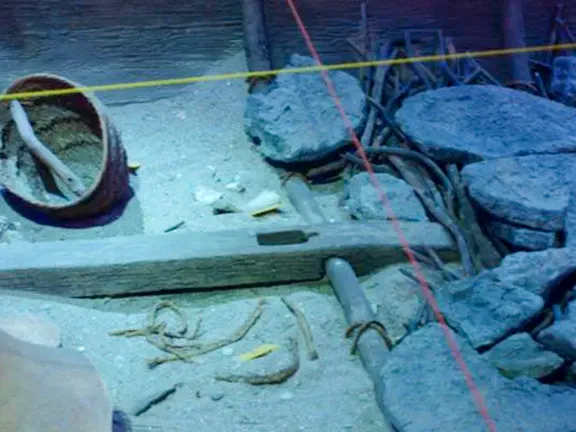
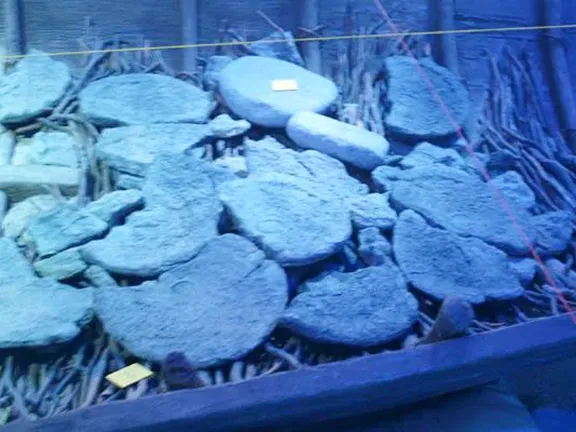
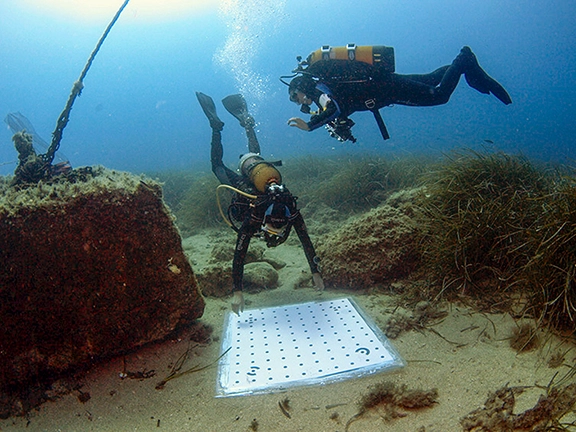
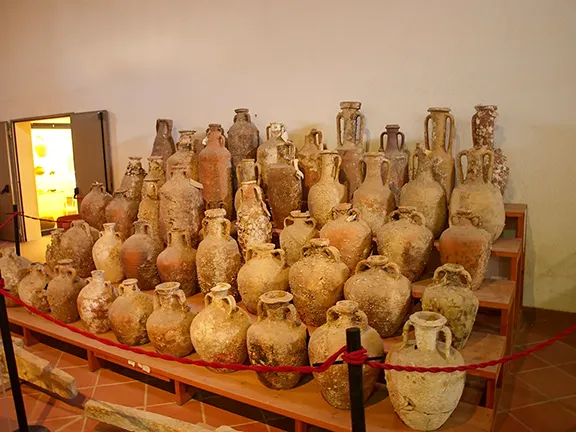
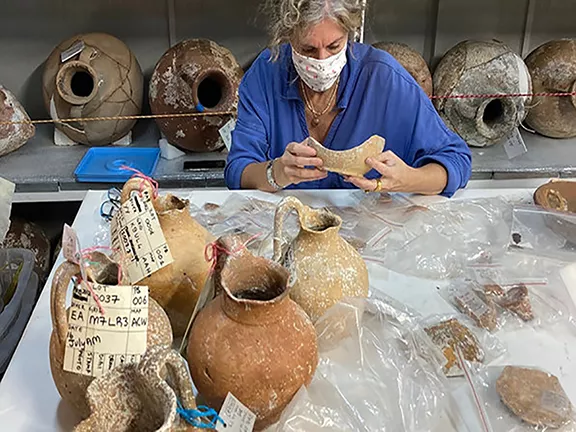
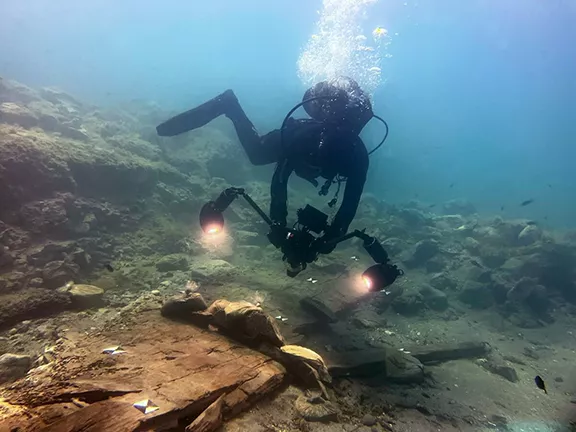
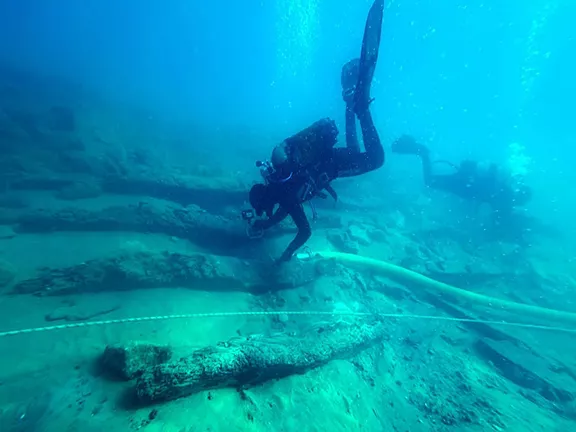
This discovery is significant as it marks the first time Iron Age shipwrecks have been found in the context of an ancient port city in Israeli waters, and Iron Age wrecks are generally very rare across the Mediterranean. The wrecks span different periods of the Iron Age illustrating cycles of maritime trade in the region.
Contents
3 Iron Age Shipwrecks Discovered Off Dor, Israel
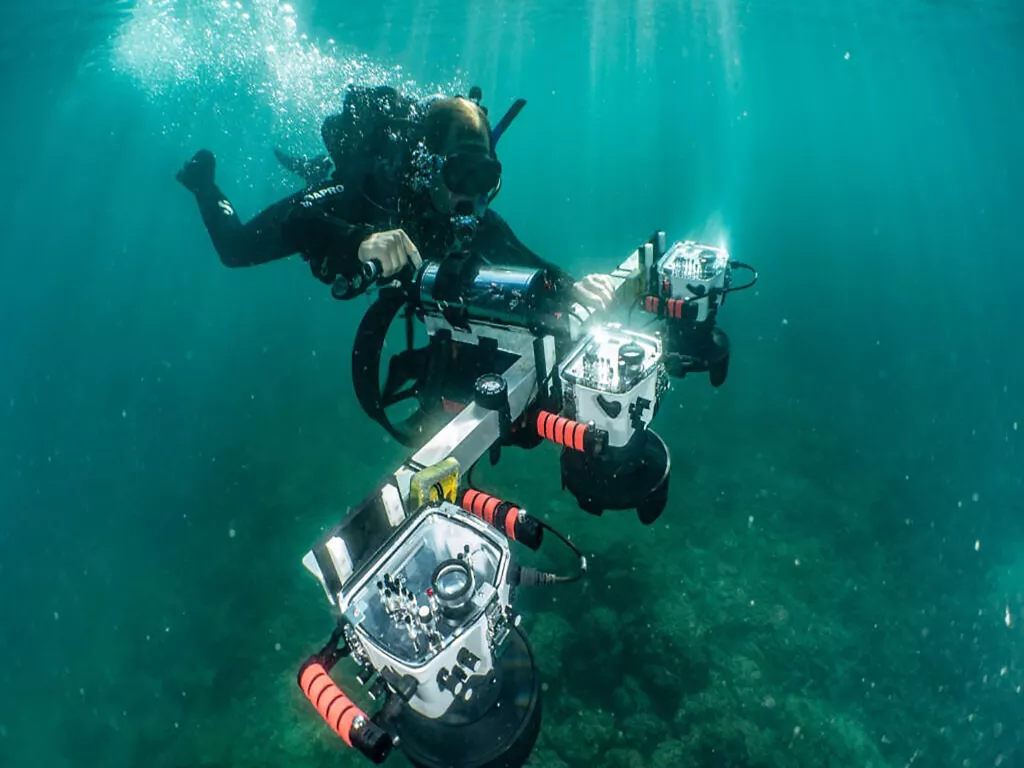
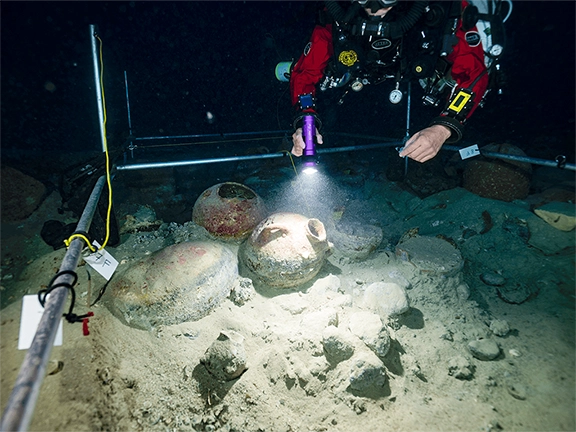
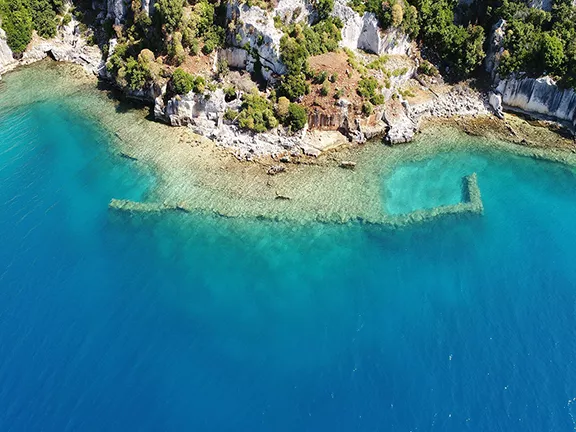
The recent underwater excavations conducted in 2023-2024 off the coast of Dor, Israel, have uncovered the remains and cargoes of three superimposed Iron Age shipwrecks in the Tantura (Dor) Lagoon.
Earliest Wreck (Dor M)
Dates to the 11th century BC, during the period following the Bronze Age collapse. Findings included storage jars of a type also found in Egypt, Cyprus, and Lebanon, and a stone anchor inscribed with Cypro-Minoan signs, suggesting trade networks linking Dor with Egypt and Cyprus.
Middle Wreck (Dor L1)
Dates to the late 9th or early 8th century BC. The cargo mainly consisted of Phoenician-style storage jars (amphorae) and bowls, with evidence of grape seeds found in one jar. This cargo suggests maritime activity continued during the Israelite control of the port, though potentially with a more restricted trade range compared to the other periods. The Kingdom of Israel appears during the late 9th and early 8th centuries BC and was conquered by the Neo-Assyrian Empire around 720 BC.
Latest Wreck (Dor L2)
Dates to the 7th or 6th century BC, during the period of Assyrian or Babylonian imperial control. The cargo showed a wider trade zone and included:
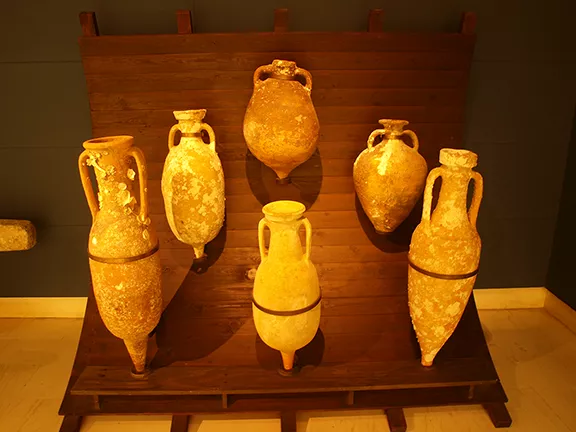
Cypriot-style basket-handle amphorae (used for transporting goods like wine, oil, and resin).
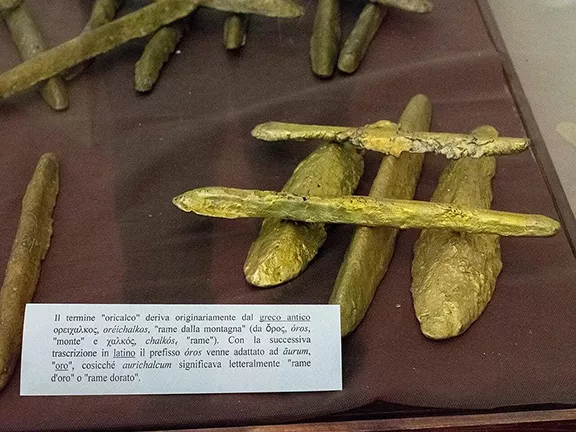
Nine iron blooms (semi-processed chunks of smelted iron), a rare raw material in ship cargoes of this age.
Exotic volcanic and quartz-rich ballast stones, suggesting voyages across the wider Mediterranean.
A wood-and-lead anchor.
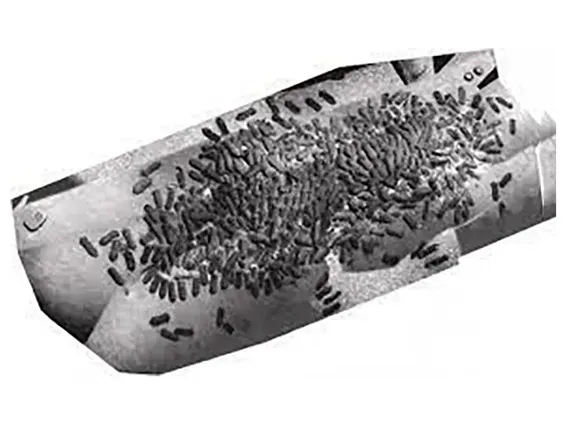
The three wrecks were found stacked on top of one another, similar to the layers (stratigraphy) found in an archaeological mound. While the ships' wooden structures have mostly decayed, the oxygen-poor sand has preserved the cargo and some organic materials like seeds and resin, allowing researchers to use pottery typology and radiocarbon dating for precise dating and analysis.
The overall findings indicate that the coast of modern-day Israel played a crucial role in Mediterranean maritime connectivity throughout the Iron Age, challenging earlier notions that trade was limited during parts of this "Biblical" era.
References
Yasur-Landau A, Runjajić M, Shegol E, et al. Iron Age ship cargoes from the harbour of Dor (Israel). Antiquity. 2025;99(406):1004-1020. doi:10.15184/aqy.2025.71