Scientists Discover Europe's Oldest Shoes: 6,000-Year-Old Sandals Woven from Grass
By Nick Nutter |
Published: 2023-09-29 |
Updated: 2025-05-20
Visited 3,138 times
Scientists have discovered Europe's oldest shoes: a pair of sandals woven from grass that are thought to be around 6,000 years old. The sandals were found in a cave in Spain and are well-preserved due to the low humidity and cool winds in the cave. The discovery of the sandals sheds new light on the lives of prehistoric people in Europe and their skill in weaving complex and durable footwear from plant materials.
Contents
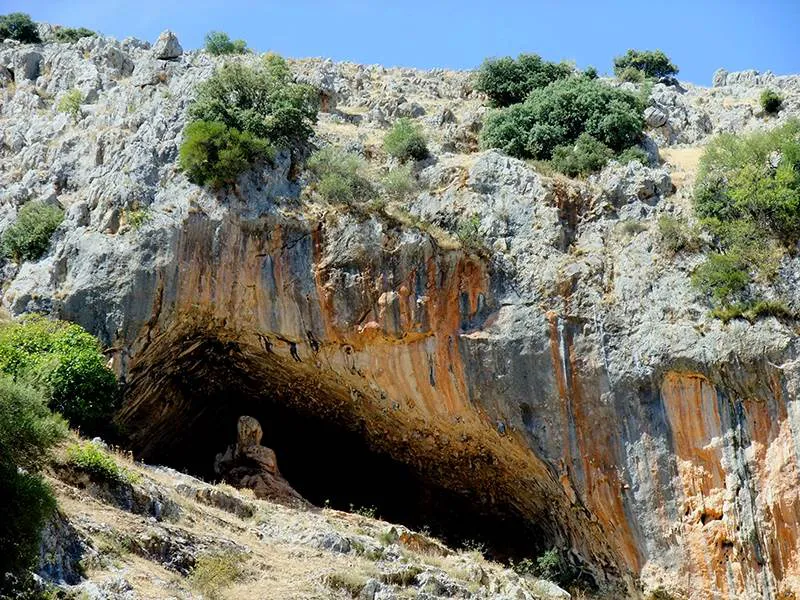
Cueva de los Murcielagos entrance
In a breakthrough discovery, scientists have identified Europe's oldest shoes: a pair of sandals woven from grass that are thought to be around 6,000 years old. The sandals were found in the Cueva de los Murcielagos, or Cave of the Bats, in Andalusia, southern Spain. La Cueva de los Murcielagos de Zuheros is a cave located in the province of Cordoba, near the village of Zuheros in the Sierra Subbetica mountains.
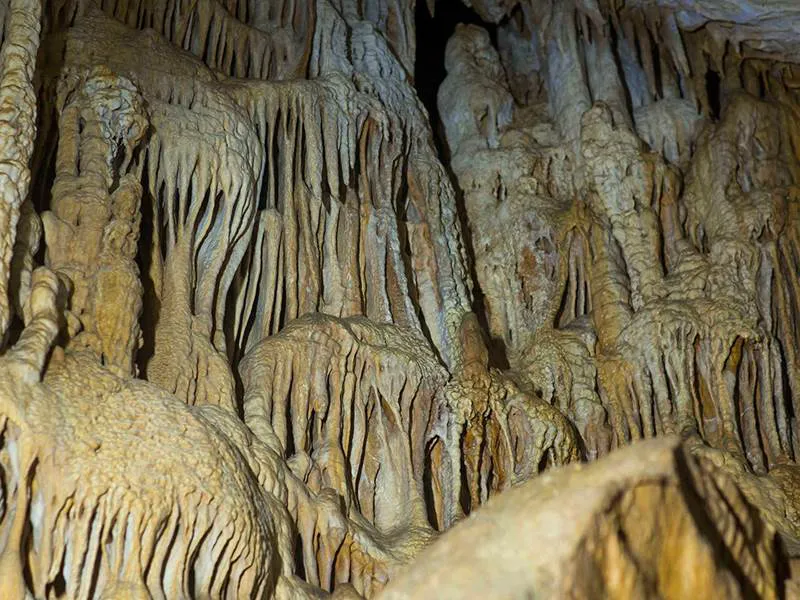
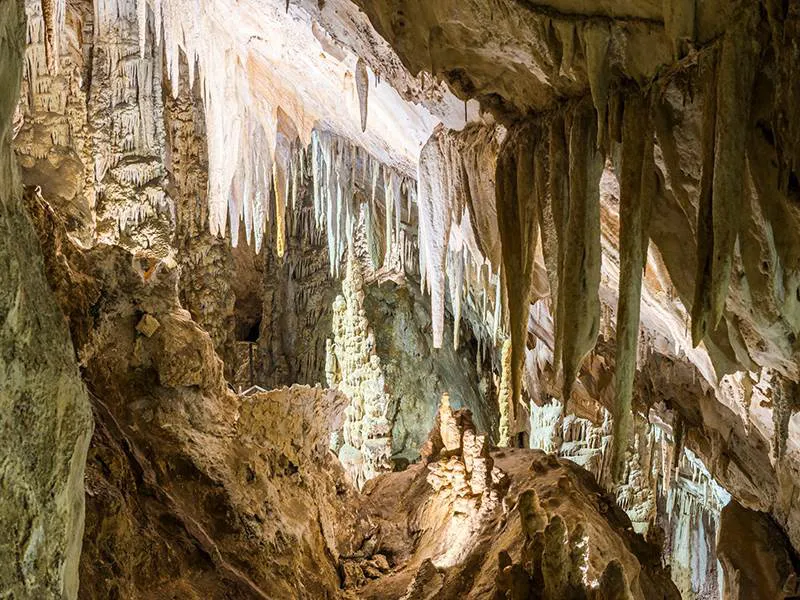
Fantastic calcite formations in Cueva de los Murcielagos
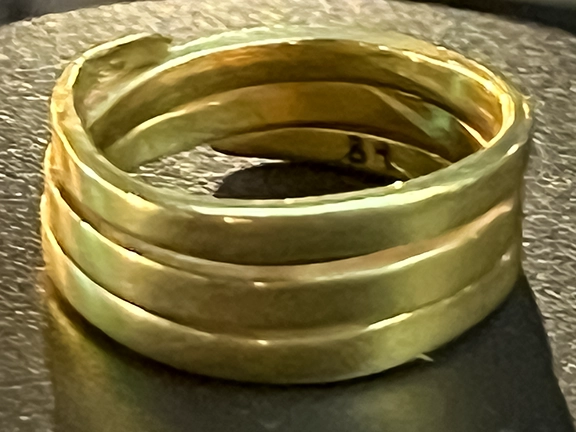
The cave was first accessed in 1831 by a landowner who collected bat guano, or droppings, used to make fertilizer. Less than two decades later, it was used by miners who, while mining the cave, discovered a gallery that held partially mummified corpses, baskets, wooden tools, and among others - wild boar teeth and a unique gold diadem.
Esparto Grass Sandals
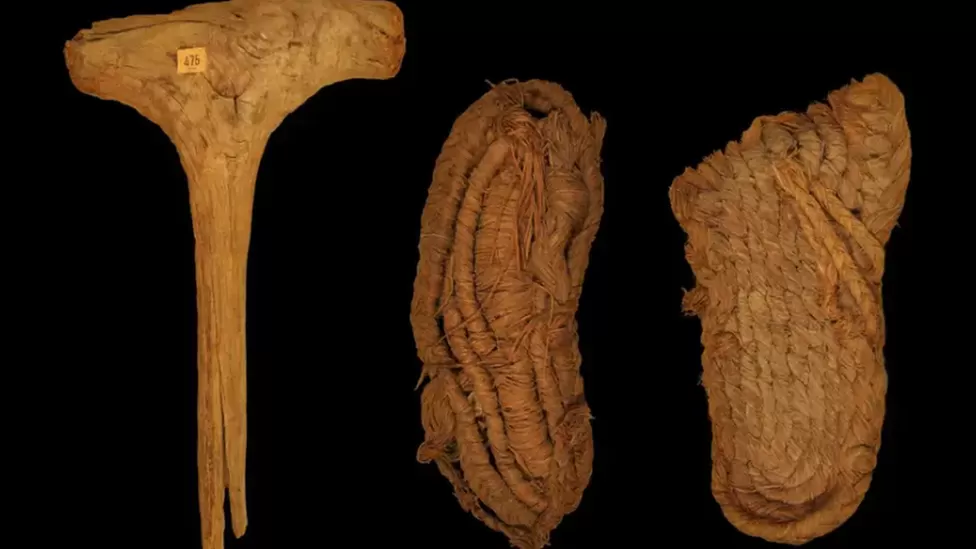
Wooden mallet and fragments of grass sandals
It was among this haul of ancient objects that the sandals were discovered, but they were not analyzed in detail until recently. Using new dating techniques, researchers were able to determine that the sandals are much older than previously thought.
The sandals are made from a variety of grasses, including esparto grass, which is still used today in Spain to make baskets and hats. The researchers also found that the sandals included other materials, such as leather and lime.
The sandals date to the Neolithic period, and are older than the 5,500-year-old leather shoes discovered in a cave in Armenia back in 2008.
The discovery of the sandals sheds new light on the lives of prehistoric people in Europe. It shows that they were skilled weavers who were able to create complex and durable footwear from plant materials.
The sandals are also a testament to the exceptional conditions in the Cueva de los Murciélagos, which have helped to preserve them for thousands of years. The low humidity and cool winds in the cave have created an ideal environment for organic materials to survive.
The discovery of the sandals is just one of many fascinating finds that have been made in the Cueva de los Murciélagos. The cave is a rich source of information about the lives of prehistoric people in Europe, and archaeologists continue to study it today.
A Cave Full of History
La Cueva de los Murcielagos de Zuheros has been inhabited by humans for thousands of years, and it contains evidence of Neanderthal and Neolithic occupation.
The cave was formed over millions of years by the dissolving action of rainwater. It is home to a variety of cave formations, including stalagmites, stalactites, calcite curtains, and flowstones. The formations are coloured by minerals dissolved in the water.
The cave is about 3 kilometers long, but only 500 meters of it are open to visitors. The tour takes visitors through a series of chambers, where they can see the cave formations and learn about the history of the cave.
Neanderthal Occupation
The cave was first inhabited by Neanderthals between 65 and 30,000 years ago. Evidence of their occupation includes Mousterian tools, which are a type of stone tool.
Neolithic Occupation
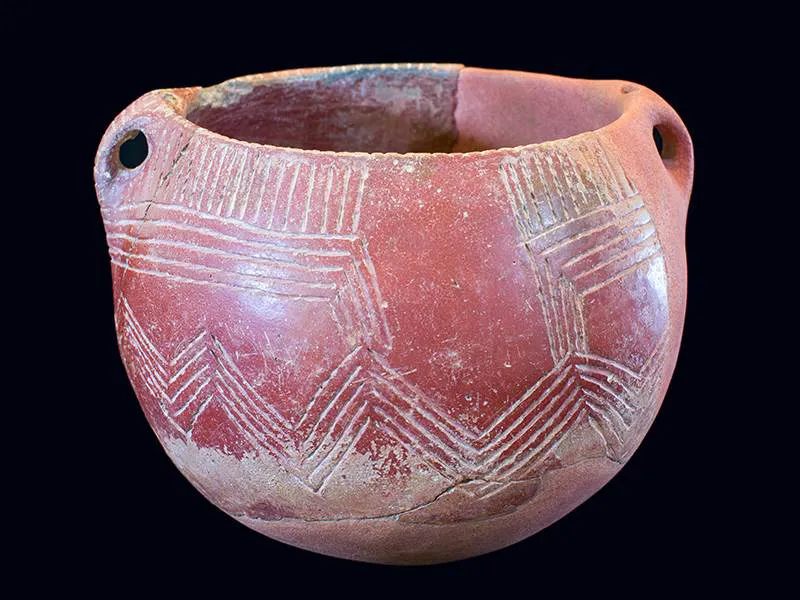
Neolithic pottery
The cave was also inhabited by Neolithic people between 5200 and 3500 BC. Evidence of their occupation includes stone tools, pottery, and cave paintings.
Cave Paintings
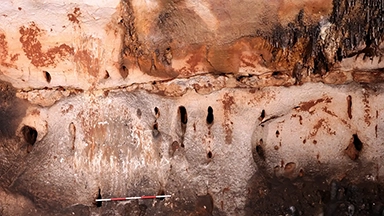
Cave art an Ibex in Cueva de los Murcielagos
The cave paintings in La Cueva de los Murcielagos are some of the oldest in Spain. They date back to between 4000 and 3500 BC. The paintings depict animals, humans, and symbols.
Neolithic Burial
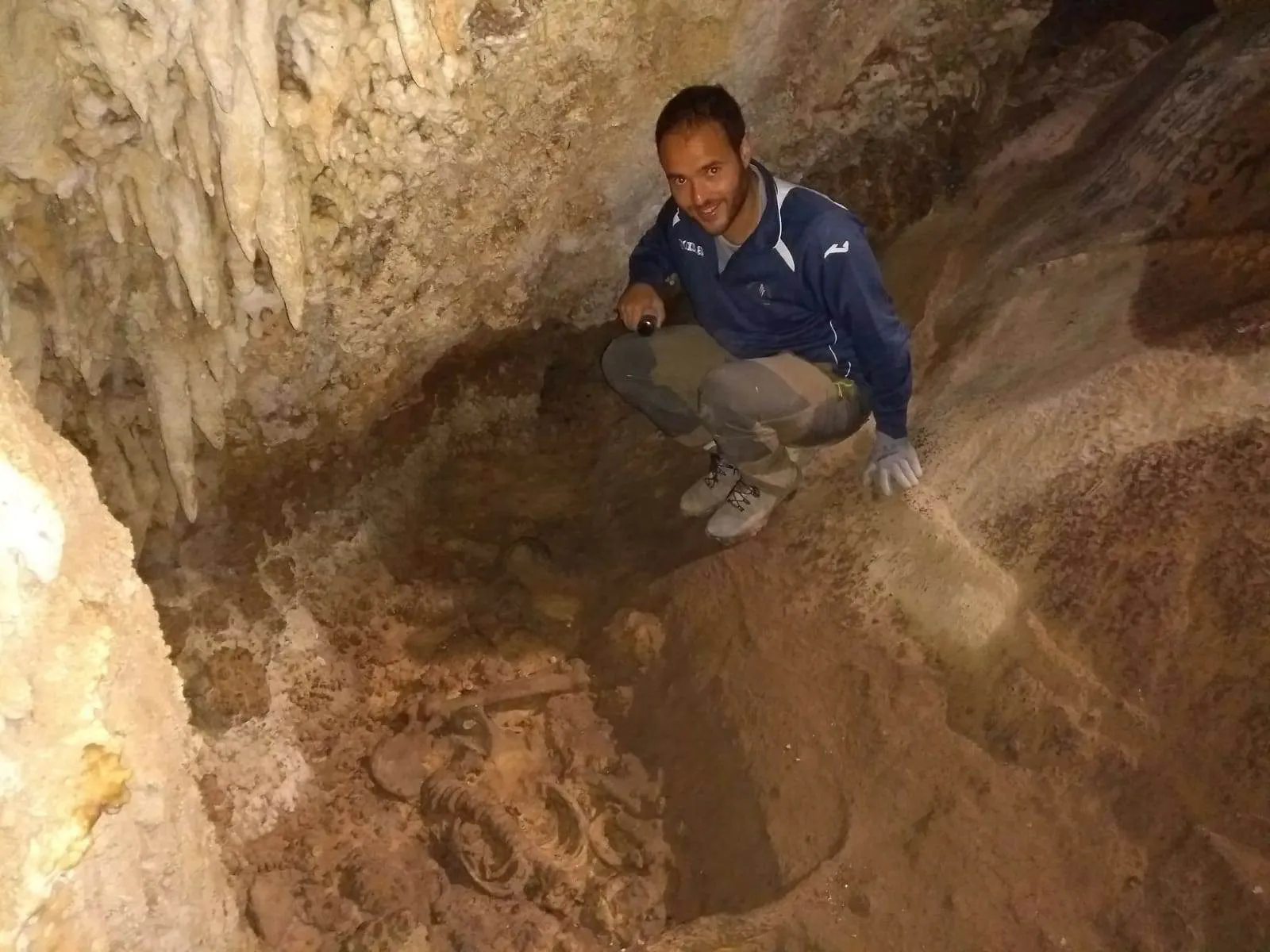
Neolithic burial in Cueva de los Murcielagos
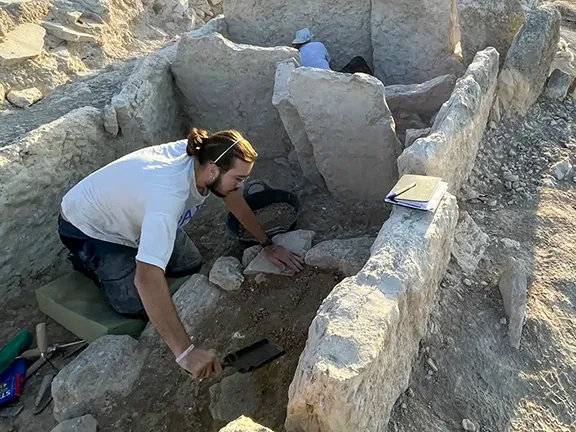
In 2018, researchers discovered a burial in the cave that is 7245 years old. The burial is of a male individual who was buried with a ceramic pot and a stone bracelet.
Communicating with the Gods
A calcite cathedral
It is thought that the cave was also used for religious purposes by the Neolithic people. Evidence of this includes the discovery of toasted grain and opium poppy seeds in the cave. The opium poppy seeds are thought to have been used to induce a trance state in the oracle or shaman.
Visiting La Cueva de los Murcielagos de Zuheros
Unlike many archeological sites, La Cueva de los Murcielagos de Zuheros can be visited. It is best to make a reservation at the Eco museum 200 metres from the cave. Opening times vary from those shown on the website so ring 957694545 between 10 am and 1.30pm Tuesday to Thursday.
Tours are on foot and last about an hour. There are 700 steps to negotiate so it is not suitable for the totally unfit. Taller people should also be careful of cracking their heads in some of the sections of tunnel where crouching is necessary. The guide, ours was Antonio J. Poyato, is excellent and takes time out to explain the cave in English.
Location Map
Enjoying this clean, uncluttered read?
You are currently browsing the result of a massive technical overhaul. My new book, Legacy Reloaded: A dev, an AI, and the relentless pursuit of 100, chronicles the journey of transforming an aging legacy website into a modern, lightning-fast platform that hits the perfect 90+, 100, 100, 100, 3/3 Lighthouse metrics. It’s a story of collaboration between developer and AI, and the stubborn pursuit of technical perfection.