Contents
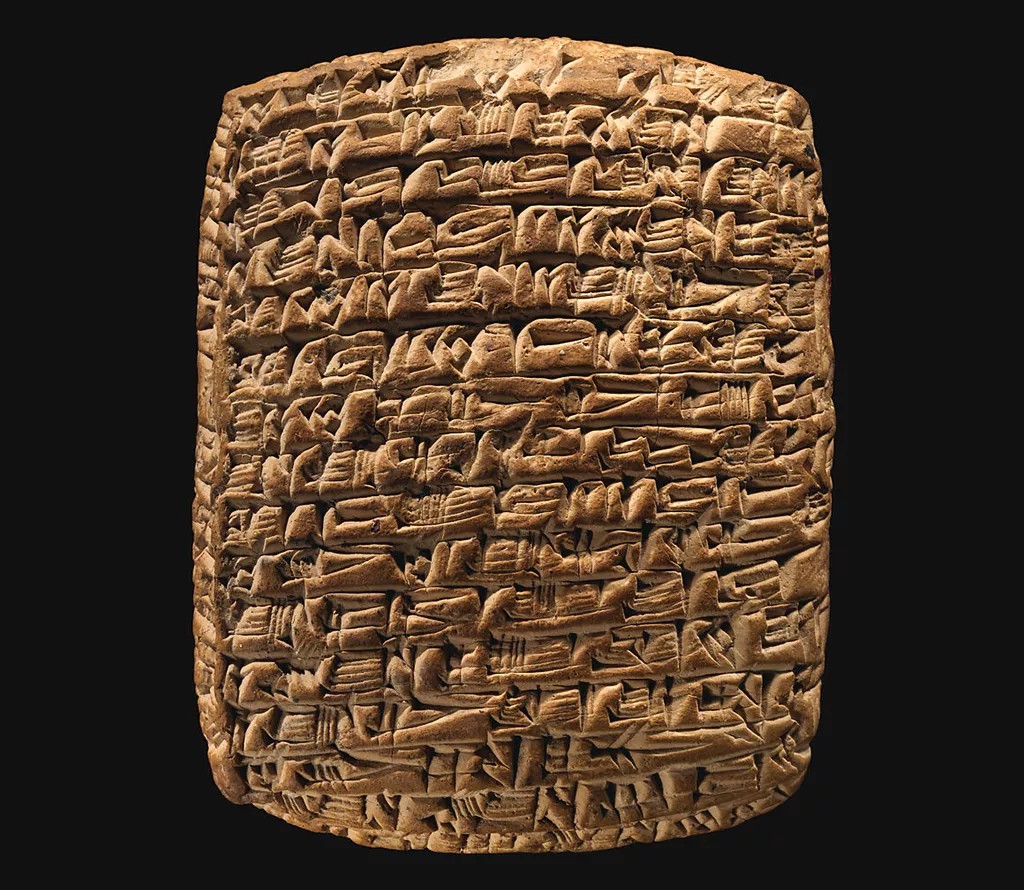
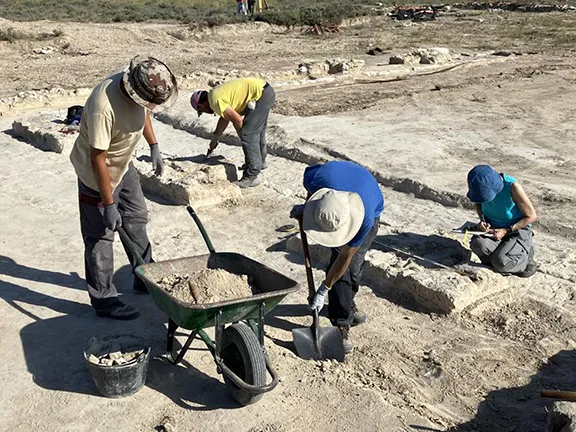
Excavations at Kultepe, an ancient trade centre dating back 6,000 years, has yielded a treasure trove of cuneiform tablets, inscribed clay documents offering a glimpse into the commercial practices of the Assyrians during the Middle Bronze Age (around 1920 BC).
These tablets, meticulously unearthed over the past 75 years, number over 20,000 and provide a remarkably detailed record of financial transactions. Professor Kulakoglu, a leading scholar of the period, and head of the excavations at Kultepe, suggests most tablets served commercial purposes, documenting everything from caravan expenses to credit and debit relationships.
But one particular tablet stands out. It reveals what could be considered the world's first company, established in Anatolia with a substantial capital of 15 kilograms of gold. This venture boasted 12 partners, each contributing varying amounts to become shareholders.
The document goes further, outlining the management structure. A merchant named Amur Ishtar oversaw the capital for a fixed period of 12 years, with profits being shared amongst the partners in a 1:3 ratio (one part for Amur Ishtar, three parts for the shareholders). The agreement stipulated the importance of long-term commitment.
"If a shareholder wished to withdraw their investment before the 12-year term," explains Professor Kulakoglu, "they would receive only 4 kilograms of silver for every 1 kilogram of gold invested. This clearly incentivised long-term participation and ensured the company's stability."
The significance of this find lies in its timing. Dated to after 1920 BC, the tablet coincides with the emergence of writing in Anatolia. Professor Kulakoglu emphasizes this point, "These tablets represent the earliest documented instance of a company structure in Anatolia, essentially a company deed from a bygone era."
The discovery at Kultepe offers a fascinating window into the ingenuity of ancient civilisations. It demonstrates that concepts like shared capital, profit sharing, and long-term investment were not inventions of the modern world, but practices employed millennia ago.
References
Prof. Dr. Fikri Kulakoglu is head of excavations at the Kültepe ruins.
Ezer, Sabahattin. (2013). Kültepe-Kanesh in the Early Bronze Age. 10.5913/2014192.ch01.