Contents
Beyond the Legend: Unveiling the True Story of Cleopatra, Egypt's Last Pharaoh

The First Six Cleopatras
Cleopatra I: Ruled as regent for her son Ptolemy VI (176-172 BC) and then as co-regent with him (175-170 BC).
Cleopatra II: Ruled as co-regent with her brother Ptolemy VI and her husband Ptolemy VIII (170-164 BC, 163-145 BC), and as sole monarch (131-127 BC, 124-116/5 BC).
Cleopatra III: Ruled as co-regent with her mother Cleopatra II and her husband Ptolemy VIII (140-132/1 BC, 127-116 BC).
Cleopatra IV: Ruled briefly with her brother Ptolemy IX (116 BC) before being expelled.
Cleopatra V: Co-ruled with Ptolemy XII (79-69 BC) and then disappeared from the historical record.
Cleopatra VI: Ruled briefly with Berenice IV (58-57 BC).
Cleopatra VII
The historical spotlight shines almost exclusively on Cleopatra VII because, quite simply, she was the last and most formidable pharaoh of ancient Egypt. Born in 69 BC,the daughter of Ptolemy XII (Ptolemy Auletes) and Cleopatra V, Cleopatra VII was not, as often imagined, solely of Egyptian descent. She was a direct descendant of Ptolemy I Soter, one of Alexander the Great's generals, making her ethnically Greek Macedonian. Yet, she embraced her Egyptian heritage unlike many of her predecessors, famously being the only Ptolemaic ruler to learn the Egyptian language. This move was not merely a gesture of cultural appreciation; it was a shrewd political manoeuvre that endeared her to her people and solidified her legitimacy.
A Reign Forged in Fire and Intellect
Cleopatra and Julius Caesar
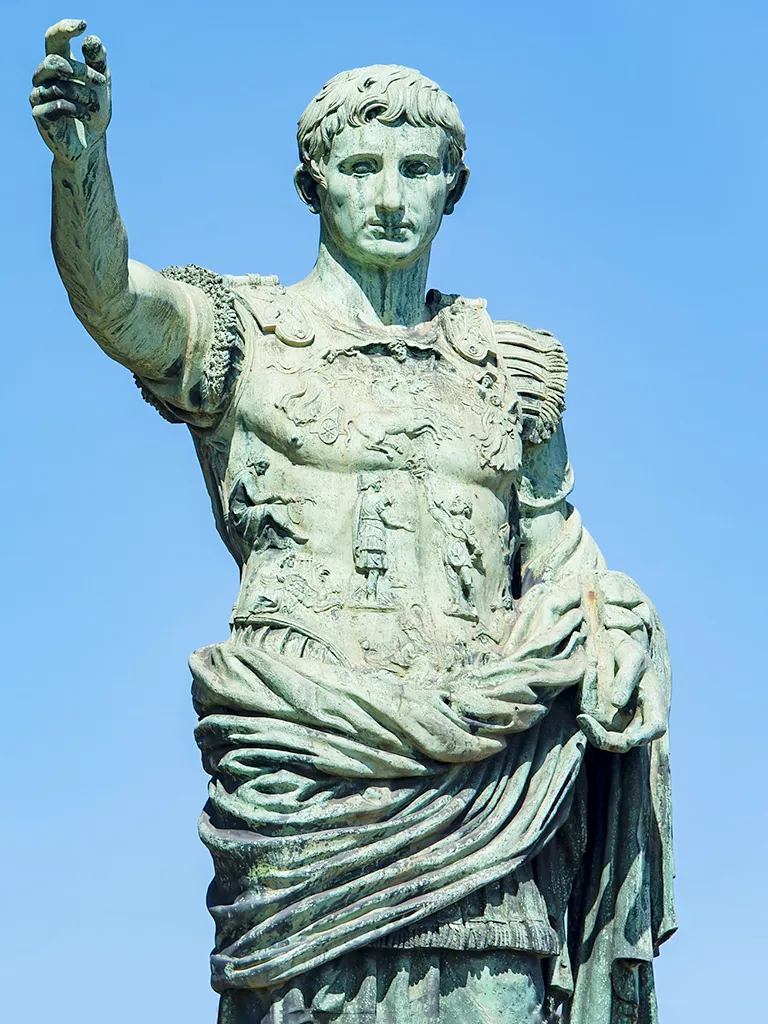
Their relationship, though passionate, was ultimately cut short by Caesar's assassination in 44 BC. Cleopatra, ever the pragmatist, understood that her survival and Egypt's independence depended on forging new alliances with the rising powers of Rome.
Love, Power, and the Fateful Embrace of Mark Antony
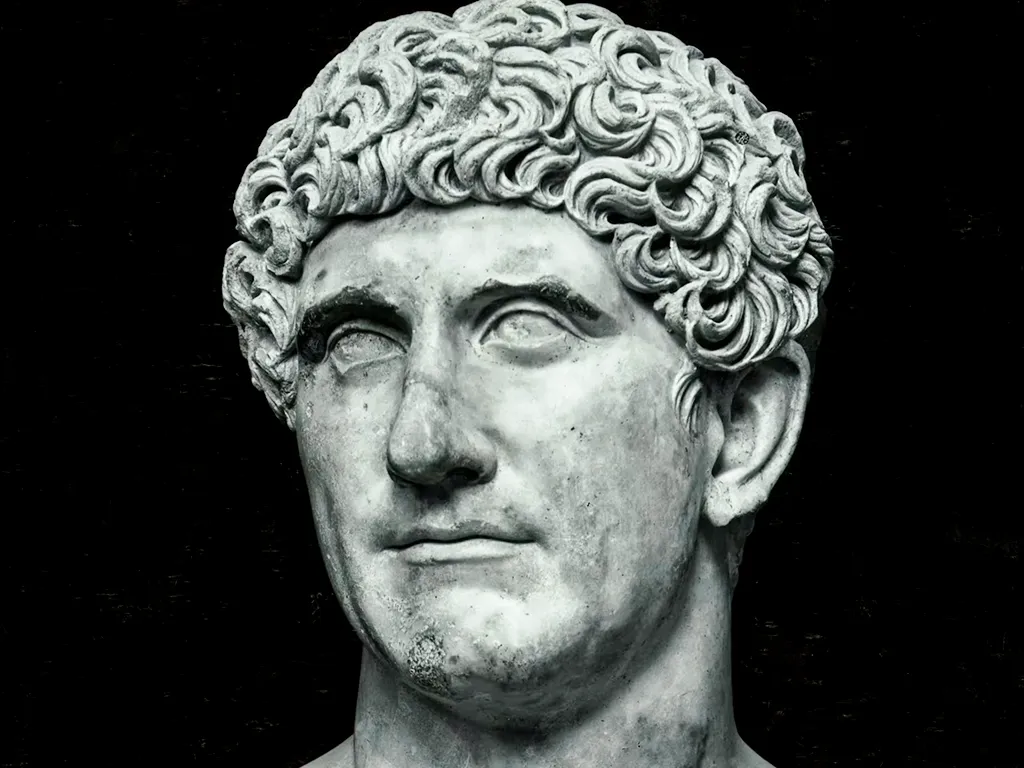
For over a decade, Cleopatra and Antony were inseparable, ruling the eastern Roman Empire together. She bore him three children, further cementing their bond. Their vision was a powerful, independent Egypt allied with a strong eastern Roman presence, a counter to Octavian's growing influence in the West.
However, their powerful alliance ultimately fuelled Octavian's propaganda machine. He painted Antony as a man corrupted by an "eastern temptress," abandoning Roman values for an exotic queen. The final showdown came at the Battle of Actium in 31 BC, a devastating naval defeat for Antony and Cleopatra.
Facing inevitable capture and the humiliation of being paraded through Rome as a conquered queen, Cleopatra chose a different path. In 30 BC, she took her own life, famously allowing an asp to bite her, thus preserving her dignity and denying Octavian the ultimate triumph. Antony, upon hearing false news of her death, had already fallen on his own sword.
The End of an Era
Her life was a whirlwind of political genius, strategic alliances, and intense personal relationships. She was not just a beautiful face; she was a polyglot, a skilled negotiator, a brilliant strategist, and a devoted mother. The stories and legends surrounding her may have grown over two millennia, but the core truth remains: Cleopatra VII was a queen of immense power, intellect, and charisma, who left an indelible mark on the annals of history. Her story continues to captivate us, a tribute to the enduring power of a woman who dared to challenge the might of Rome.