Contents
Gobekli Tepe
Stone Hills Project
Karahan Tepe
Neolithic Houses Uncovered at Karahan Tepe: A Glimpse into Early Settled Life
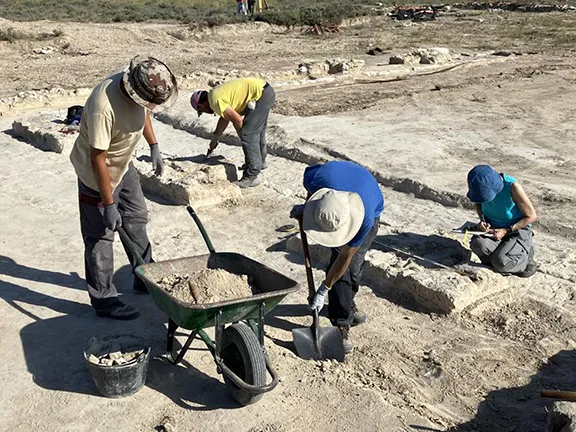
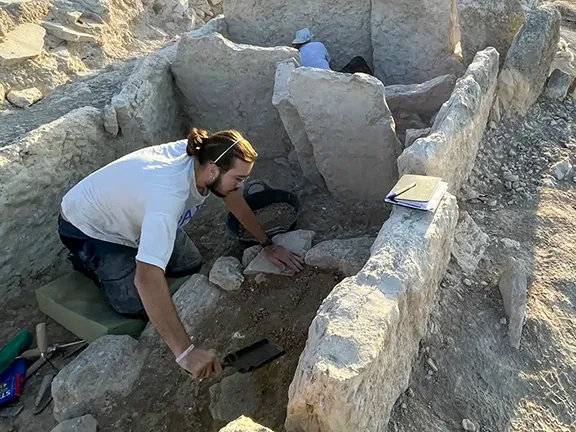
Recent excavations at the Pre-Pottery Neolithic site of Karahan Tepe in southeastern Türkiye, part of the extensive Taş Tepeler (Stone Hills) Project, have yielded crucial discoveries regarding the domestic lives of its ancient inhabitants. Archaeologists, led by Professor Necmi Karul, have uncovered more than 30 dwellings, fundamentally changing the perception of the 11,000-year-old settlement.
Dating and Context
Karahan Tepe, which dates back to the Pre-Pottery Neolithic A and B periods (roughly 10,000 to 8,000 BCE), is a contemporary and slightly older "sister site" to the more famous Göbekli Tepe. While Karahan Tepe has been known since its discovery in 1997, systematic excavations that began in 2019 have increasingly revealed the complexity of the site. The discovery of numerous homes alongside the known monumental ritual structures challenges the long-held belief that complex, settled communities only arose after the advent of agriculture. The evidence from Karahan Tepe suggests that permanent settlement and sophisticated social organization preceded widespread farming.
Architectural Findings
The recently unearthed houses, dating to around 11,000 years ago, offer a tangible link between the site's monumental architecture and the everyday domestic sphere.
Structure and Size: The dwellings are primarily circular or oval, varying in size from approximately 3 to 6 metres in diameter. They are arranged in a dense, honeycomb-like pattern, with walls that are often irregular, reflecting an early stage of architectural experimentation.
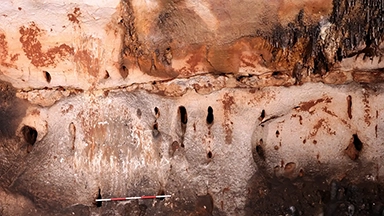
Construction: Many of the structures were carved directly into the limestone bedrock or built over earlier fills.
Internal Features: Inside the houses, archaeologists have found evidence of daily life, including:
Flat stone floors, hearths for cooking and warmth and storage compartments.
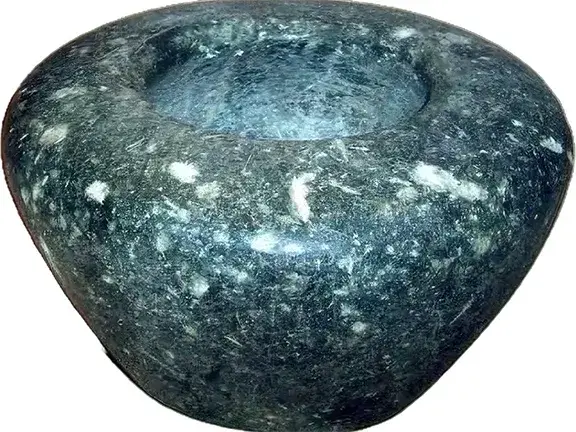
Grinding platforms and tools like grindstones, handstones, and mortars and pestles, which point to food preparation and processing.
Symbolic and Ritualistic Elements
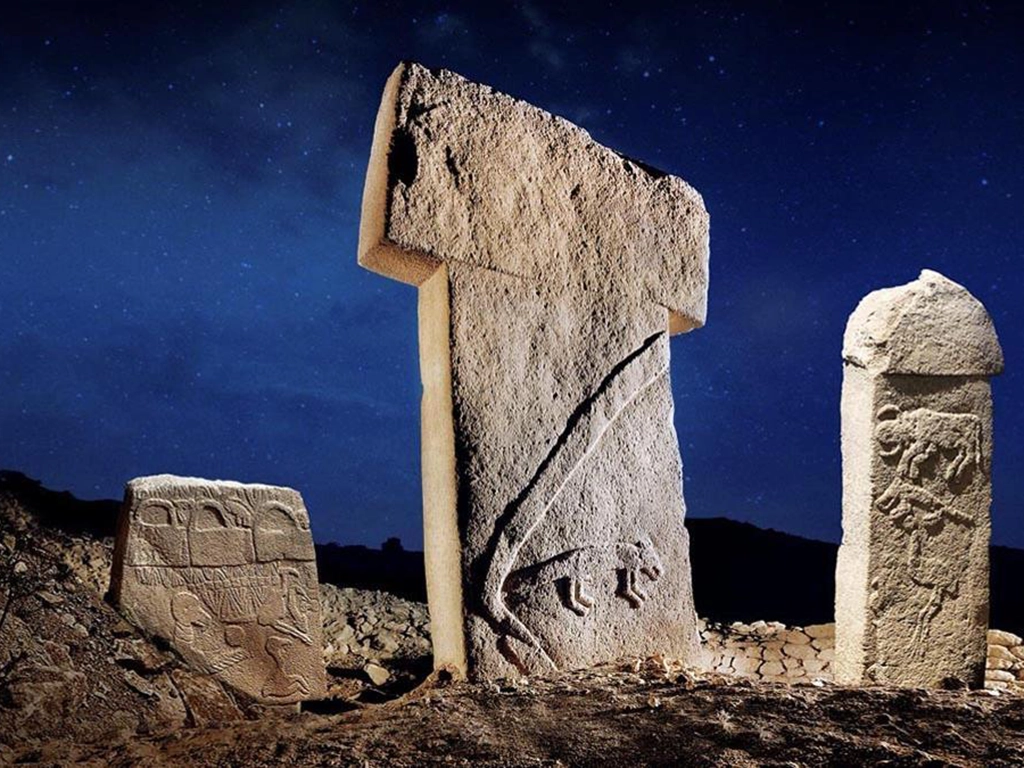
Interestingly, the domestic structures were not purely utilitarian. Some of the houses contained standing stonesor stelae, suggesting that the domestic sphere held a spiritual or symbolic dimension for the residents, echoing the monumental T-shaped pillars found in the main ritual enclosures of the site.
In a pattern similar to the larger monumental buildings at Karahan Tepe, when these dwellings were ultimately abandoned, they were intentionally filled with soil, and the standing stones within them were often deliberately toppled or broken, a ritual act that may have signified the end of a habitation period or the passing of a generation. The ongoing restoration and re-erection of these fragmented stones are providing archaeologists with a clearer picture of the spatial and social organization of one of the world's earliest known permanent communities.
October 2025
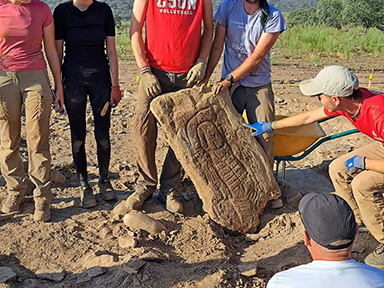
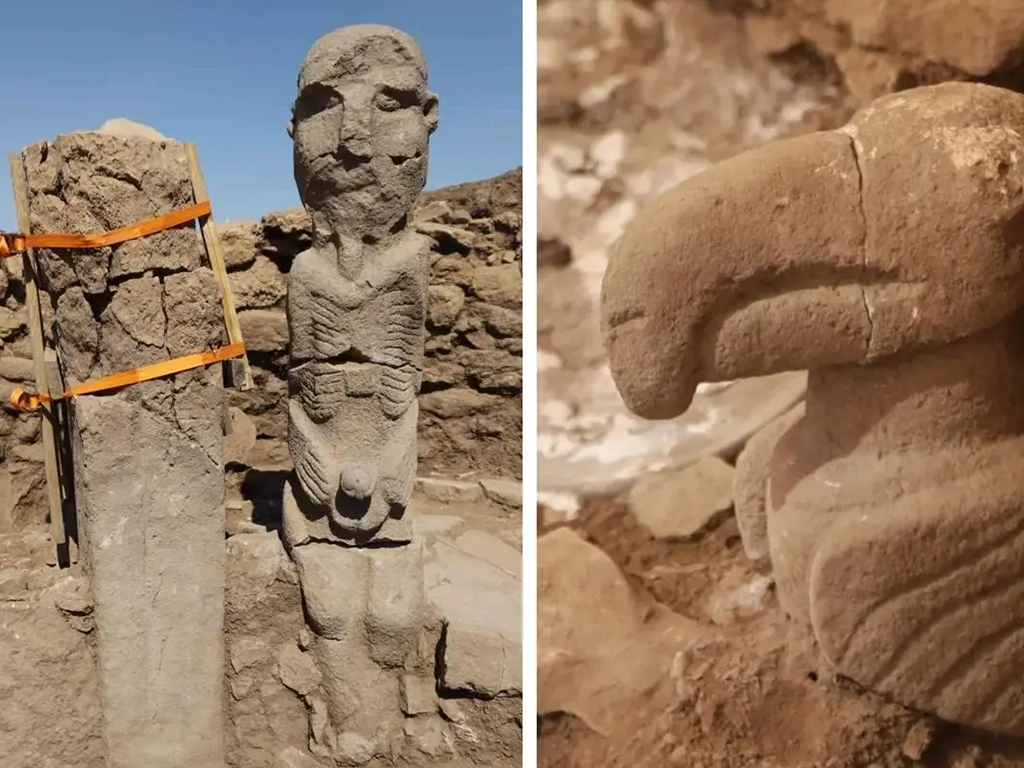
Dating back approximately 12,000 years, this Pre-Pottery Neolithic artifact is part of the Taş Tepeler Project, which includes the famous Göbeklitepe. While T-pillars at similar sites were known to have carved arms and hands, symbolically representing human forms, this new monolith breaks ground by including detailed facial features.
The carving on the upper section of the pillar features sharp contours, deep-set eye sockets, and a prominent nose, mirroring the stylistic traits of other human sculptures at Karahantepe. This finding is considered a revolutionary moment in archaeology. It suggests an evolution in prehistoric artistic expression, transforming abstract symbolism into direct human representation and offering new insights into the spiritual beliefs and self-awareness of the world's earliest monumental builders.