Contents
The Karum of Kanesh: A Bronze Age Trade Hub and Logistical Centre c. 1920-1850 BC
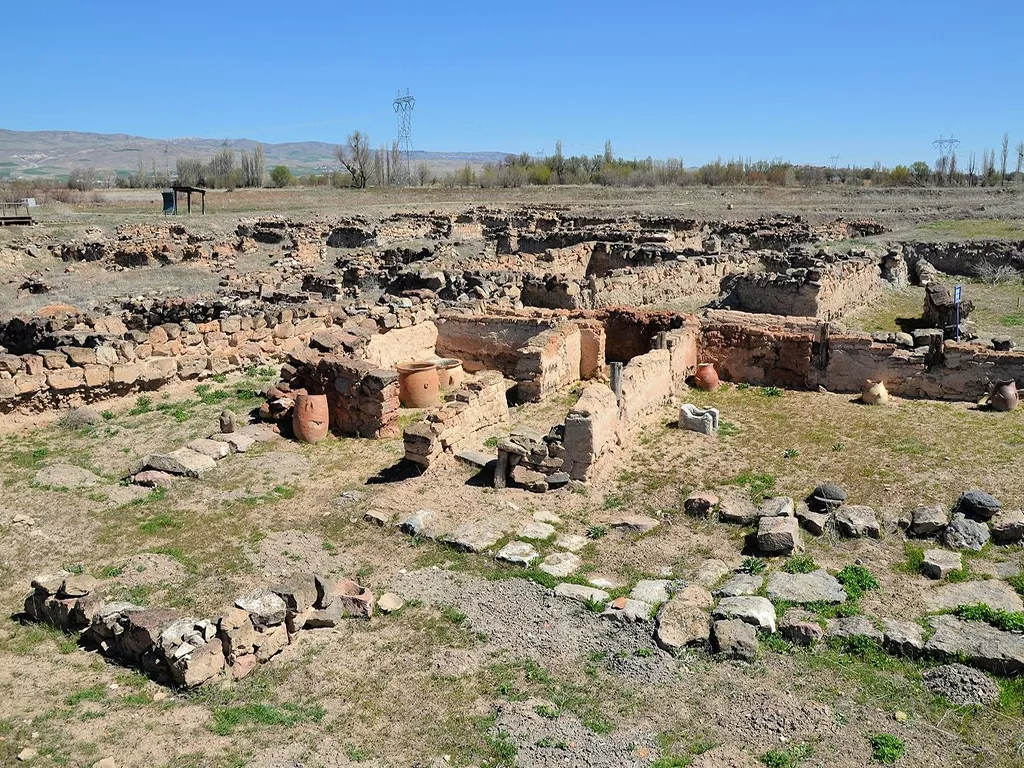
The Strategic Location of the Kanesh Karum in Anatolian Trade Routes
Assyrian merchants leveraged this location to connect Mesopotamia with Anatolian markets.
Inside the Karum: A Glimpse into Bronze Age Commerce

Daily Life in the Assyrian Trading Colony
Imagine the scene: donkey caravans laden with tin and textiles arriving from Assur, their drivers haggling in the streets; scribes meticulously recording transactions on cuneiform tablets; and merchants negotiating deals with local Anatolian clients. The air would have been thick with the sounds of commerce, a symphony of voices and activity.
The Role of Cuneiform Tablets in Documenting Karum Transactions
Scribes and record keeping were a vital part of the Karum operation.
These tablets allow us to reconstruct the trade networks of the time.
The Tax-Free Advantage: Attracting Assyrian Merchants to Kanesh
Negotiating Trade Privileges with Anatolian Rulers
What made the karum particularly attractive was its status as a relatively tax-free zone. Through carefully negotiated agreements with local Anatolian rulers, the Assyrian merchants secured privileges that reduced their tax burdens, making Kanesh a prime location for trade.
This advantageous arrangement spurred economic activity, turning Kanesh into a vital link in the long-distance trade network.
How Tax Exemptions Boosted Bronze Age Trade in Anatolia
The reduced tax burden allowed for more efficient trade.
This led to a larger volume of trade flowing through the Karum.
The Inhabitants: Assyrian Merchants and Anatolian Interactions
The Assyrian Community within the Karum
The karum's inhabitants were primarily Assyrian merchants, a distinct community that maintained its own customs and legal system.
Cultural Exchange and Economic Integration
They employed local Anatolians as labourers, scribes, and other personnel, creating a complex interaction between the two cultures. The karum was not just a place of trade; it was a melting pot of cultures, where Assyrian and Anatolian traditions intersected.
The Economic Significance of the Kanesh Karum in the Bronze Age
The Flow of Essential Goods: Tin and Textiles
The economic significance of the karum cannot be overstated. It played a crucial role in the exchange of essential goods, such as tin and textiles, which were vital for the Bronze Age economy.
Kanesh Karum: A Precursor to Modern Freight Forwarding?
The Karum was a major logistical hub.
The merchants in the karum at Kanesh adopted the most sophisticated commercial practices of the time. The karum was a window into a world where merchants orchestrated complex logistical operations, laying the groundwork for future trade networks. It was a place where the seeds of early freight forwarding were sown, and where the economic integration of a large area of the ancient world was made possible.
References
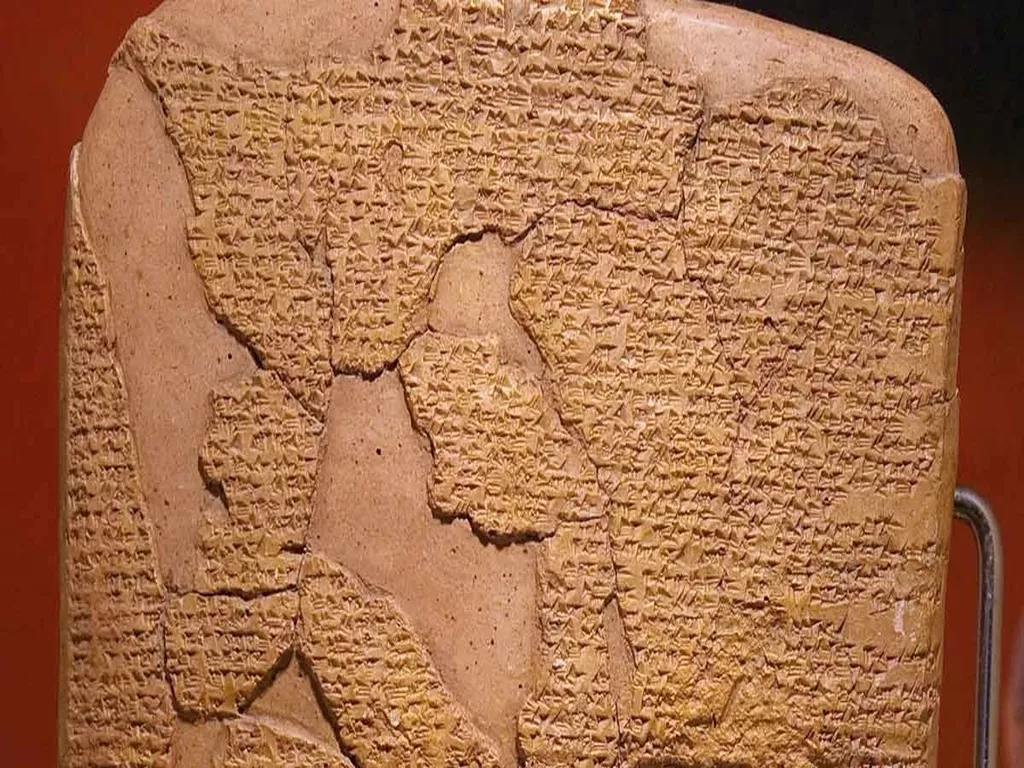
ICK (Inscriptions Cuneiformes du Kultepe): This is a major publication of the Kultepe tablets, providing transcriptions and translations of many of the texts.
Scholarly works by Klaas R. Veenhof: Veenhof is a renowned scholar of the Old Assyrian trade, and his works provide in-depth analyses of the Kanesh texts.
Scholarly works by Mogens Trolle Larsen: Larsen is another key scholar who has extensively studied the Kanesh archives.
Texts relating to the legal status of the Karum: Many tablets show the legal agreements between the Assyrian traders, and the local rulers.