Global Commodity Exchange: The 6,000-Kilometre Spice Road Linking Europe, Asia, and Africa
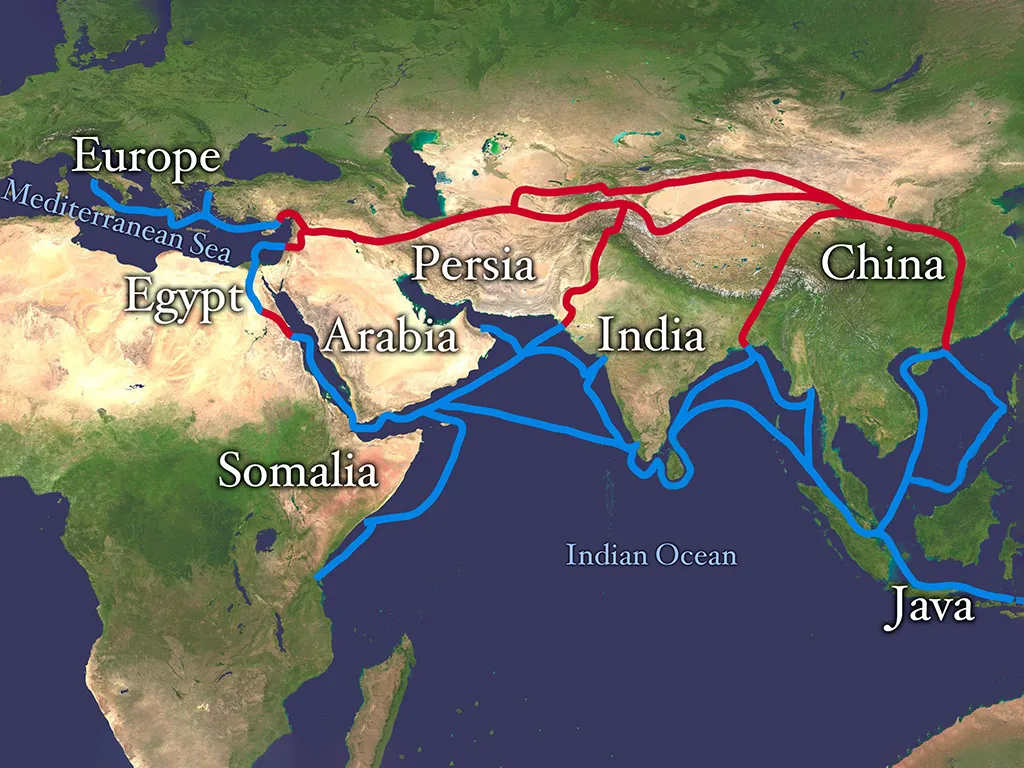
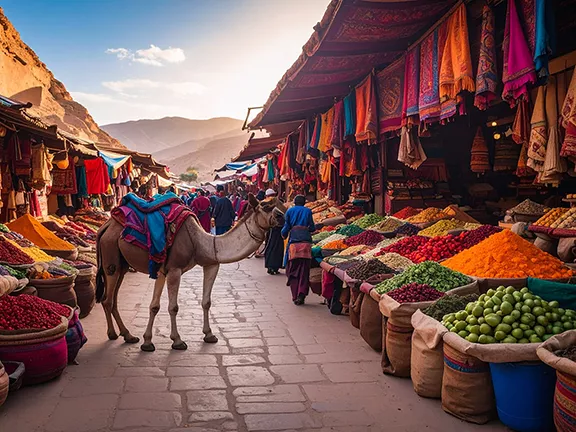
The Spice Road was a network of trade routes that connected Europe, Asia, and Africa. It eventually became one of the longest trade routes in the world, stretching over 6,000 kilometres. It was used to trade a wide variety of goods, including tin, spices, silk, textiles, and porcelain. The Spice Road was one of the most important trade routes in the world for centuries.
The Spice Road actually had two elements to it, the land-based route and the maritime route.
Early Persian Gulf Commerce: Dilmun Tokens and Sumerian Trade with the Indus Valley
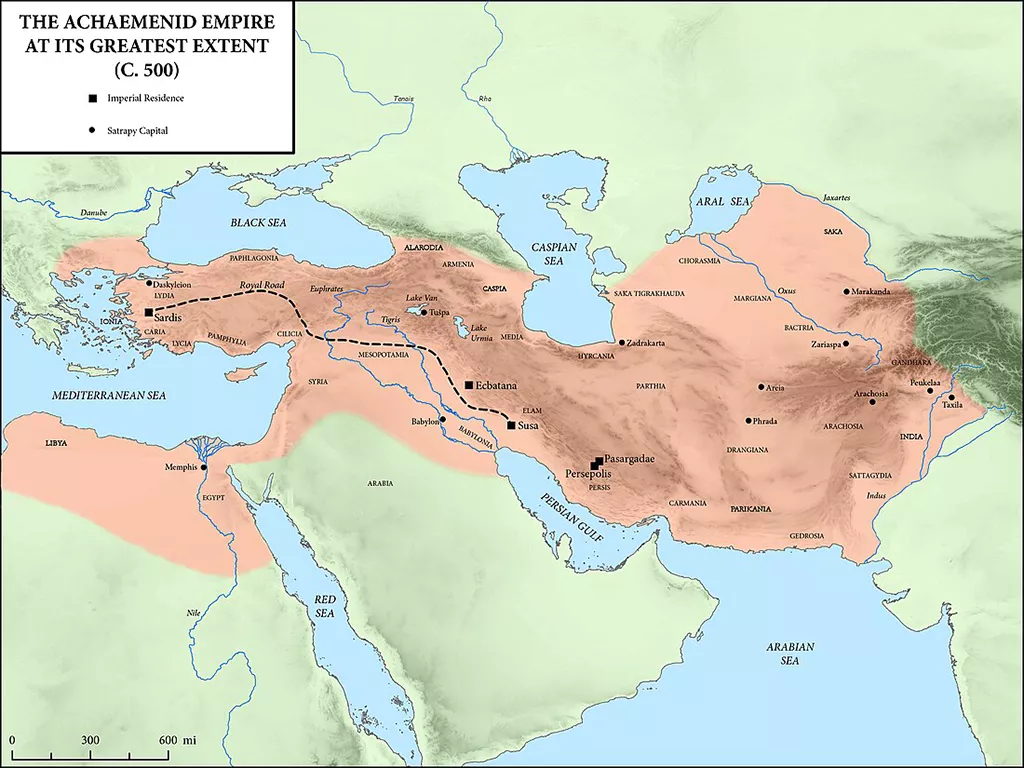
About 3000 BCE, the Sumerians established a trading post about halfway down the Persian Gulf at a place called Dilmun. It's purpose was to facilitate the movement of copper from what is now Oman, to the city of Ur on the Euphrates River. By 2050 BCE, Dilmun was acting as a conduit for cargoes from as far afield as the Indus Valley civilisation in Pakistan (Crawford, 1998).
In June 2026, an analysis of inscribed clay tokens discovered in Bahrain shed new light on the administrative complexities of Dilmun, the central Spice Road waypoint in the Persian Gulf. The tokens, which include one sealed by a Dilmun crown prince, prove that Dilmun was not just a trading post, but a highly centralised, independent political power that actively coordinated maritime and overland commerce between Mesopotamia, Magan (Oman), and the Indus Valley.
The seal impressions on the tokens explicitly identify Yagli-El as the "servant of the goddess Panipa". In all later royal inscriptions found on steatite vessels from his reign as king, he is instead titled the "servant of Inzak" (the primary god of Dilmun). Because these high-level titles were mutually exclusive, researchers deduced that the tokens bear his seal from his time serving in a religious office or as crown prince, before he succeeded his father, King Rimum.
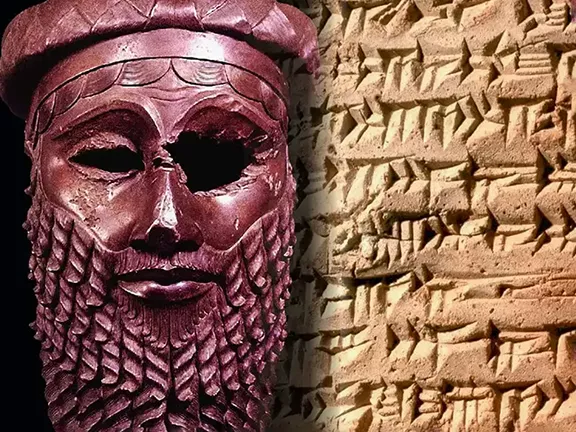
The tokens date to the Early Dilmun period, specifically around 1700 BCE. This dating is supported by both the style of the Old Babylonian cuneiform script and extensive radiocarbon dating of Yagli-El's later royal tomb in A'ali, Bahrain, which was constructed between 1738 and 1658 BCE.
Expeditions to Punt: Hatshepsut's Red Sea Spice Road Expansion
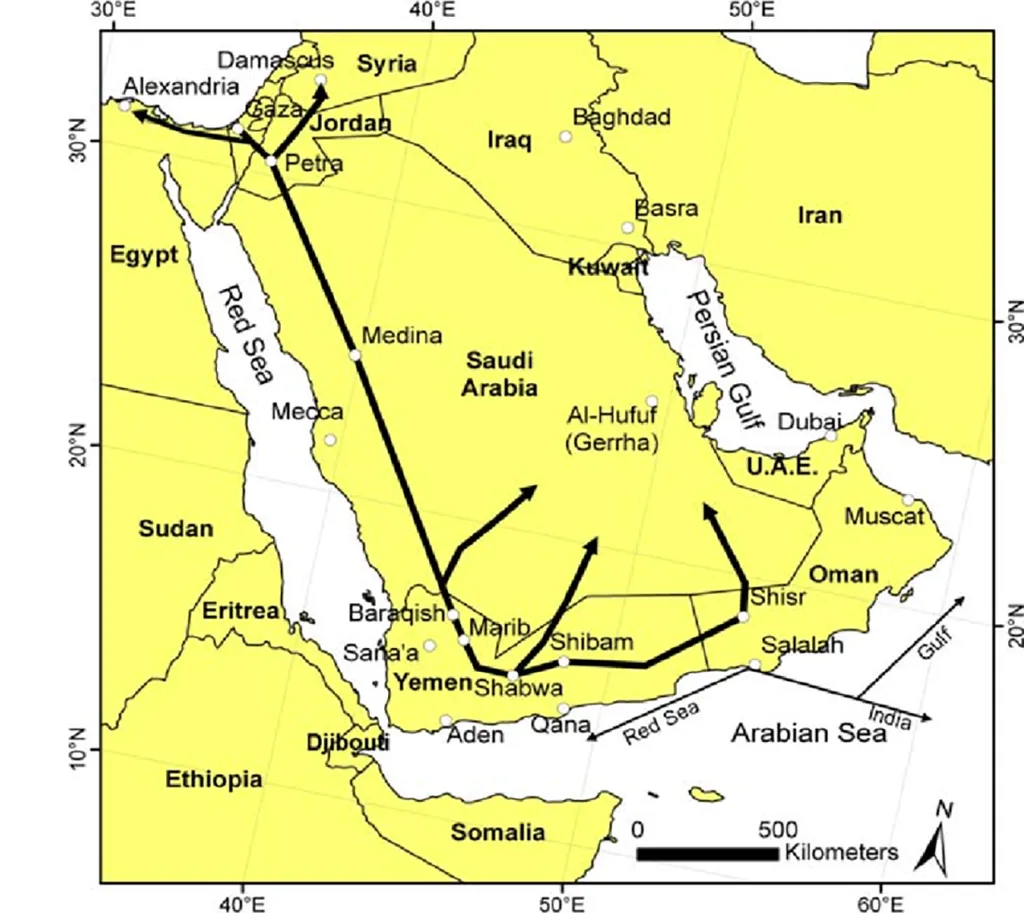
As early as 2500 BCE, Egyptian ships sailed down the Red Sea, over 1500 kilometres, to the land of Punt, modern Yemen and Somalia. From a wall painting in her mortuary sanctuary, we know that Queen Hatshepsut, who ruled Egypt from 1479 to 1458 BCE, ordered an expedition to Punt. Galleys, about eighty feet long and equipped with sails and oarsmen, were loaded with grain and bails of textiles for the outward journey and returned with, 'marvels of the country of Punt: all goodly fragrant woods of God's land, heaps of myrrh resin, with fresh myrrh trees, with ebony, and pure ivory, with green gold of Emu, with cinnamon wood, khesyt wood, with ihmut incense, sonter incense, eye-cosmetic, with apes, monkeys, dogs, and with skins of southern panther, with natives and their children. Never was brought the like of this for any king who had been since the beginning.' (Kitchen, 1993).
King Solomon's Navy: Phoenician Maritime Trade and Cinnamaldehyde Artifacts in Palestine
Somewhat later the same voyages were being performed by the Phoenicians. King Solomon (970 to 931 BCE) is reputed to have built a navy on the shores of the Red Sea in the land of Edom (the Gulf of Aqaba, the northeastern tip of the Red Sea). Hiram, king of Tyre from about 980 to 947 BCE, crewed the ships with his men and sailed to Ophir (probably India) where they loaded the ships with four hundred and twenty talents of gold (about thirteen tons), peacocks, ivory and apes, that they took to King Solomon (Aubet, 2001).
In 2025 AD, according to a paper published in the journal Mediterranean Archaeology and Archaeometry, researchers analysing the contents of 27 flasks from five archaeological sites in Palestine that date back around 3,000 years have found that 10 of the flasks contain cinnamaldehyde, the compound that gives cinnamon its flavour, indicating that the spice was stored in these flasks (Namdar et al., 2013).
At this time cinnamon was found in the Far East with the closest places to Palestine being southern India and Sri Lanka, nearly 5,000 kilometres away. The flasks themselves were made locally in northern Palestine. They are specially designed with a narrow opening and thick walls to carry precious contents.
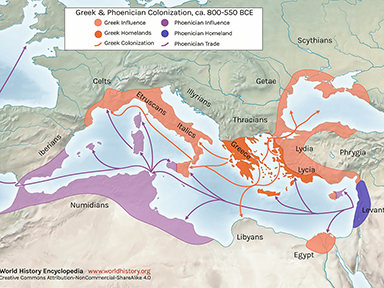
Although the Phoenicians were primarily involved in maritime trading in the Mediterranean Sea, it is clear they obtained exotic products from the Far East via the established Spice Road.
Harnessing the Monsoons: Ptolemaic Greek Merchants and Indian Trade Routes
After 200 BCE, Ptolemaic Greek merchants reached India via the Red Sea. Eudoxus of Cyzicus followed the Red Sea coast to Bab el Mandeb then followed the Arabian coast to the Strait of Hormuz, then hugged the Iranian and Pakistani coast until he reached the Indian trading centres. On the way he encountered the monsoons, the southwest monsoon during summer and the northeast monsoon during winter. Another Greek mariner, Hippalus, harnessed the monsoon winds to sail directly from Bab el Mandeb to the Malibar coast in India in a matter of weeks rather than months around the coast (Casson, 1989).
Exotic Gifts of Antiquity: Indian Emissaries, Pepper, and Silk in the Roman Empire
During the Roman period, Indian ambassadors appeared in Rome bearing gifts such as Chinese silk, Indian ivory, monkeys, tigers, rhinoceros, and tigers. The most fashion conscious obtained a Latin speaking parrot. The most expensive item brought back from India was pepper that soon found its way into savoury and sweet dishes, medicines and wines. In return, India imported red Mediterranean coral, Roman glass (the finest in the world), lead from Spain, copper from Cyprus, tin from England, plus, of course, fine wines.
Assyrian Merchants in Anatolia: Land-Based Expansion of the Spice Road
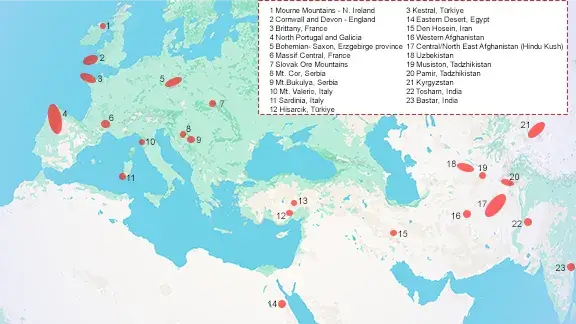
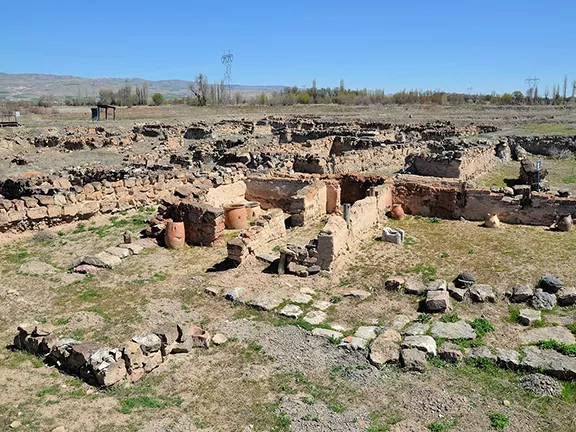
The land-based route started to extend its tentacles east from Mesopotamia somewhat later than the maritime routes, about 1975 BCE, when Assyrian merchants, based in the karums of Anatolia, brought tin from Uzbekistan, Tajikistan, and Afghanistan to the Middle East.
The Spice Road really took off when the Phoenicians began trading spices from the Arabian Peninsula with other Mediterranean civilisations at the start of the first millennium BCE.
Roman Trading Colonies: Alexandria, Antioch, and the Spice Road Peak
The Spice Road flourished during the Roman Empire, as the Romans loved spice in their food. The Romans traded for spices with India, China, and Southeast Asia. They also established trading colonies along the Spice Road, such as Alexandria in Egypt and Antioch in Turkey.
Arab Domination of the Red Sea: Spice Road Trade in the Middle Ages
The Spice Road continued to be traversed throughout the Middle Ages. The Arabs played a major role in the Spice Road during this period. They controlled trade routes between the Mediterranean and the Red Sea, and they traded spices with India, China, and Southeast Asia.
The Age of Exploration: The Suez Canal and the Ultimate Decline of the Spice Road
The European Age of Exploration led to a decline in the importance of the Spice Road in the 16th century CE. The Europeans discovered new trade routes to Asia and Africa, and they began to trade directly with these regions.
Despite the decline of its importance, the Spice Road continued to be used until the19th century. It was finally abandoned when the Suez Canal was opened in 1869. The Suez Canal provided a faster and more efficient way to transport goods between Europe and Asia.
In its day, the Spice Road had a major impact on the world. It facilitated the exchange of goods and ideas between different civilisations, and it helped to spread new technologies and cultural practices throughout the world. The Spice Road also played a major role in the development of the global economy.