Contents
The Reach of the River: Zurgena to Almanzora (1892–1893)
Topography and Tragedy
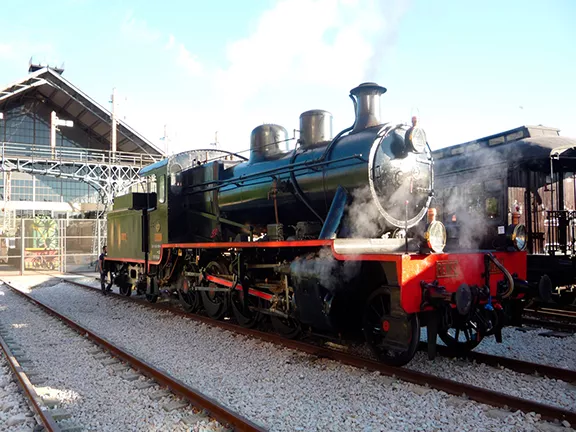
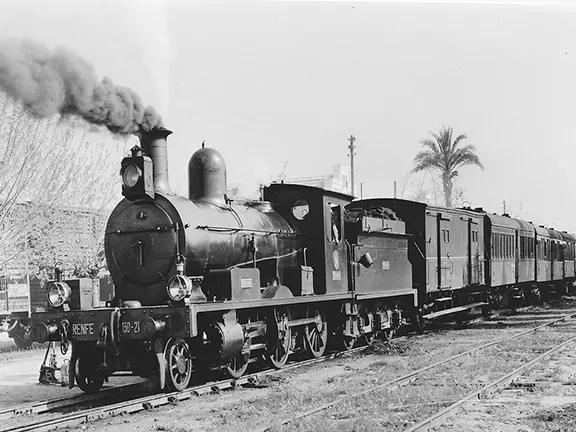
The journey wasn't without its human cost. Even before the line reached Almanzora, construction on the Puente de la Cañada bridge near Arboleas claimed a life. In November 1891, a worker named Joaquín González Sirvent was killed when scaffolding collapsed during the bridge's construction, leaving behind a wife and two children. The true destructive force of nature, however, was demonstrated seven years after the line opened. In June 1900, after a ferocious storm, the massive Albox Bridge across the Almanzora River lost its two central spans. The torrent had ripped out 80 meters of iron structure, a devastating blow to the new railway. The GSSR quickly built a temporary wooden bridge, load-testing it with a locomotive named LORCA. The eventual replacement was a sturdy steel structure that would serve the line for over a century.
Almanzora: A New Economic Centre
The railway provided a vital lifeline for both mining and agricultural industries. While it transported agricultural products from the fertile valley, its primary business—and the town's primary source of prosperity—was the transport of minerals. Almanzora became the departure point for lead, copper, tungsten, and molybdenum coming from Albox and surrounding towns, and it even handled entire wagons of farm animals.
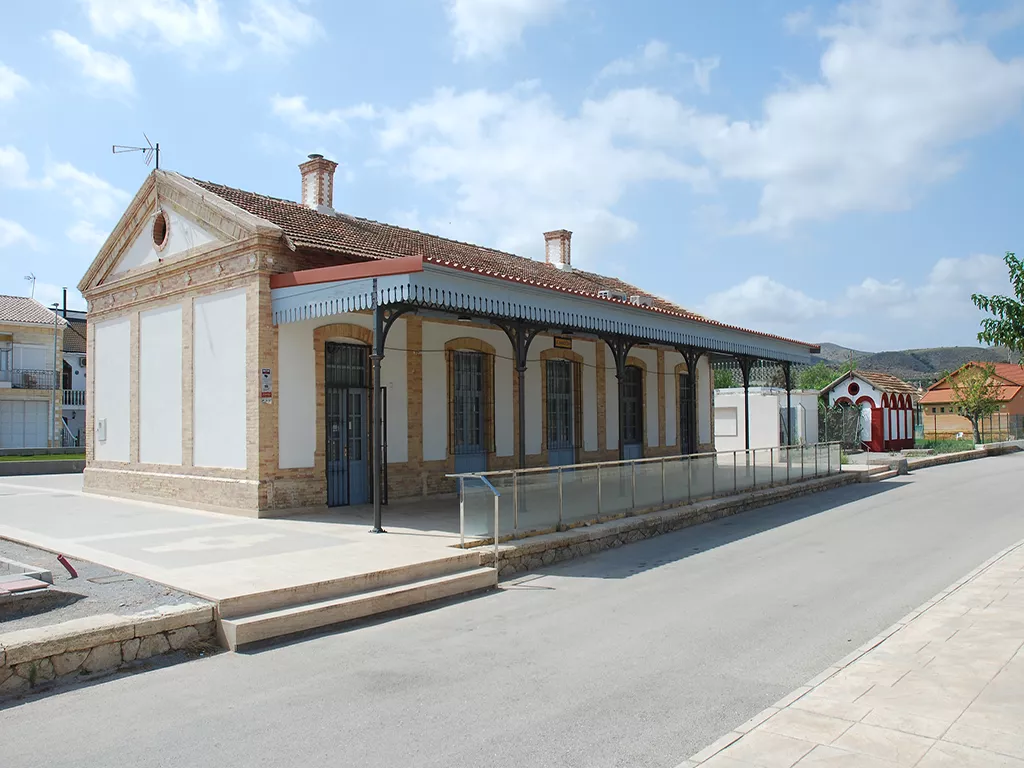
The GSSR station fundamentally changed Almanzora, turning a small settlement into a new economic hub. However, this growth was ultimately limited. The GSSR was first and foremost a "mineral railway," and the town's fortunes were heavily dependent on the mining industry. When the mines began to decline in the mid-20th century, the railway's primary purpose vanished.
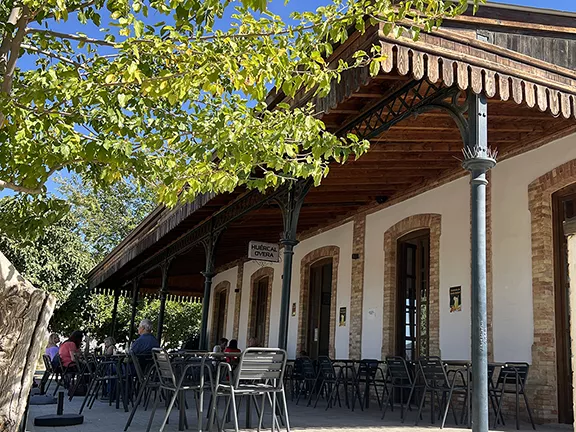
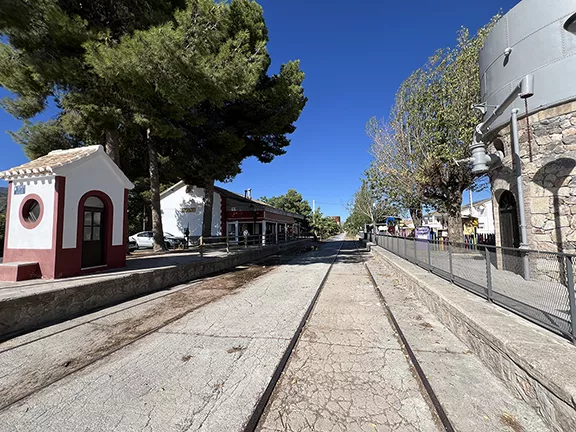
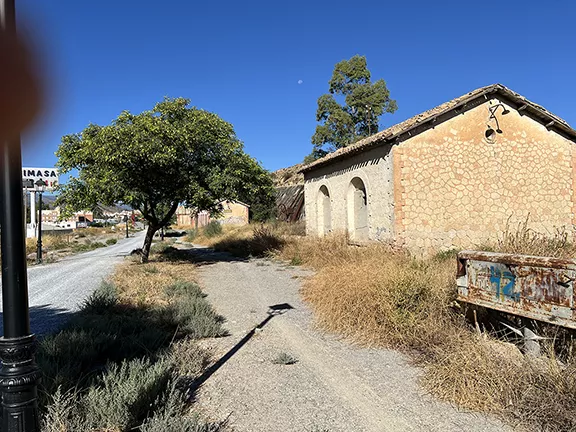
Today, the line between Zurgena and Almanzora is part of the Vía Verde del Almanzora, a growing Greenway project that converts the old trackbed into a route for walking and cycling. The historic Almanzora station, which once fuelled the region's mineral boom, has been beautifully restored and now serves a different purpose entirely: as a restaurant.
Enjoying This Article – FREE to read on Kindle Unlimited?