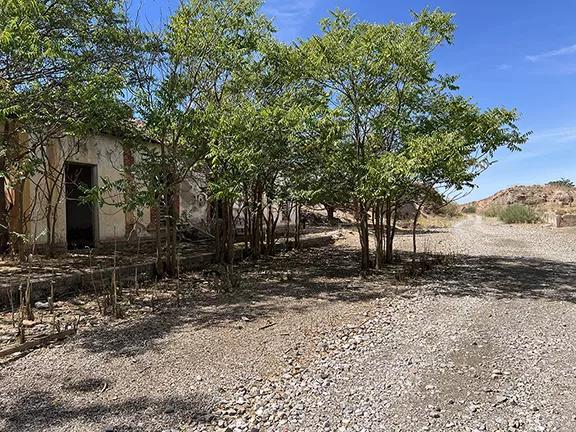
A second major hurdle was the local infrastructure. The roads leading inland from the coast were little more than dirt tracks. Before they could lay a single sleeper, the GSSR had to build proper access roads capable of handling the movement of heavy machinery and construction materials. It was a classic "build your own path" scenario.
Contents
Building from the Sea: Águilas to Almendricos (1885–1890)
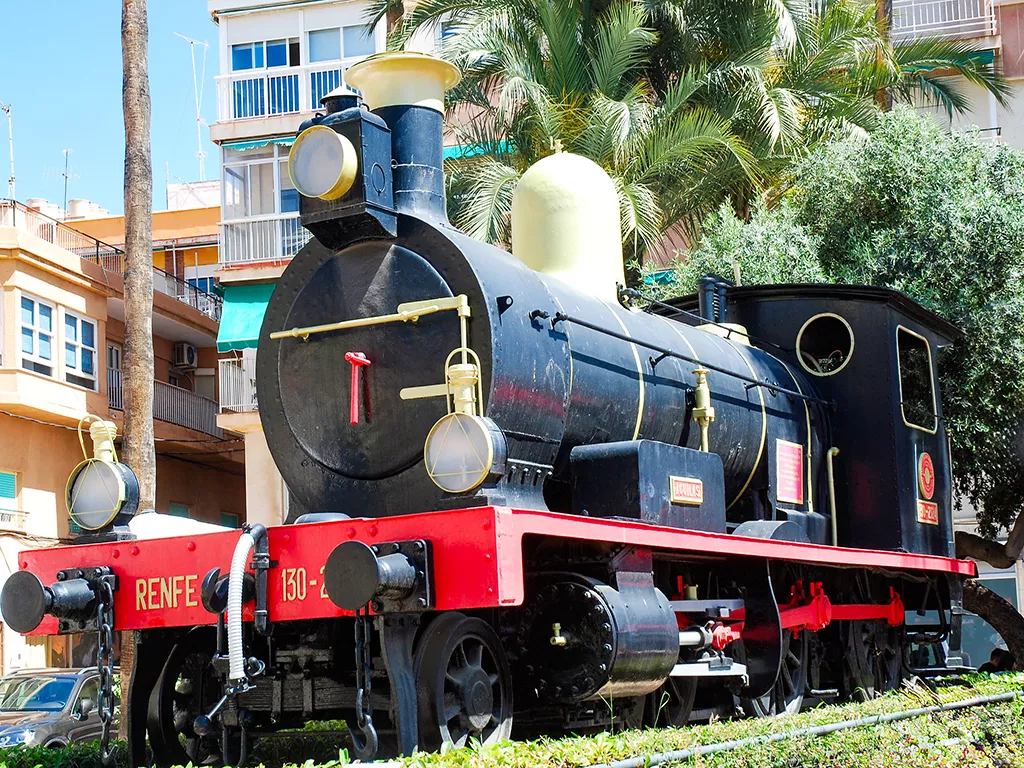
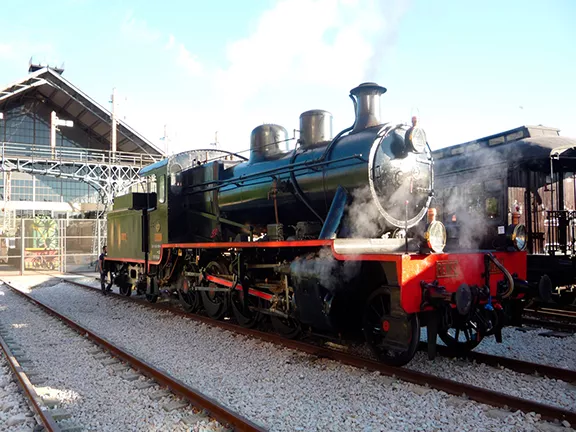
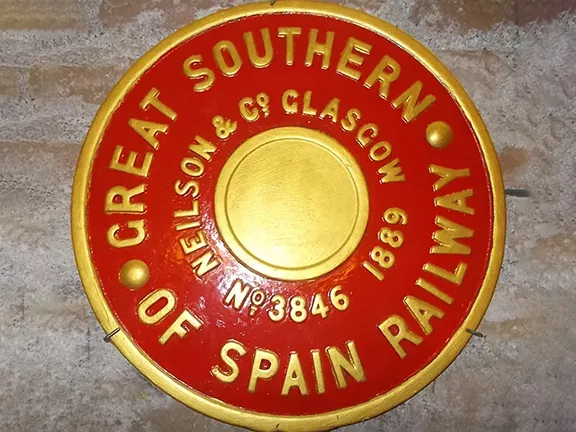
When the Great Southern of Spain Railway Company—the GSSR—officially formed in 1885, it immediately faced a problem common to colonial-style ventures: Spain lacked the necessary heavy industry. This meant the company had to import almost everything for the railway’s construction, from steam engines to rails and rolling stock, all arriving by ship from Great Britain, France, or Antwerp. Workers then had to re-assemble every engine at the workshops next to the Águilas station before it could even turn a wheel. The actual track laying couldn't start until the very first steam locomotive arrived at the port in October 1887.
Topography: Conquering the Coast
The 25-kilometre journey from Almendricos to the port of Águilas provided a sharp introduction to the challenges of Spanish topography.
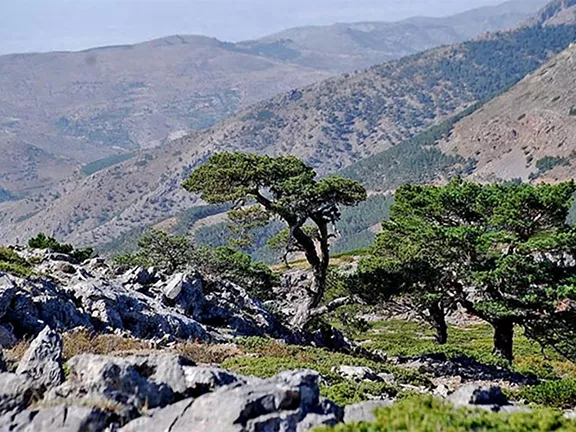
Almendricos sits in a low-lying valley, historically an agricultural hub known for citrus and fruit. But as you travel southeast towards the coast, the landscape rapidly transforms into the rugged, mountainous terrain of the Baetic Cordillera. This area is framed by peaks like the Talayón in the Sierra de la Almenara, which, while not a high range, creates a complex network of ravines, foothills, and ridges.
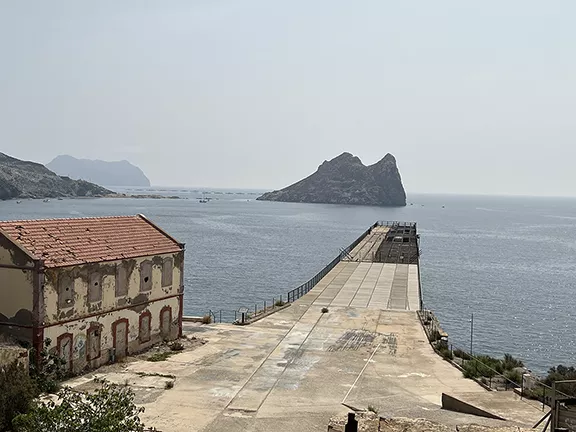
Águilas itself is defined by its natural harbours and a coastline that is a striking mix of sandy beaches and wild, rocky coves. In essence, the GSSR had to conquer a compact, diverse blend of inland plains, low mountains, and a wild coast. This meant tunnels, cuttings, and viaducts were not options—they were necessities.
The Branch Line: A Strategic Victory
The GSSR's first act of construction was strategically brilliant: the branch line connecting the port of Águilas to Almendricos. This was the umbilical cord to the sea. Work began in November 1886 and progressed quickly, despite the terrain. The first rails were laid ready in April 1887. By March 1888, the GSSR's subsidiary, Hett, Maylor & Co. Ltd., had 1,700 employees working on the line or in the port.
This initial leg included a particularly arduous section called Puerto de los Peines (the "Combs Pass"). Over a distance of just 4.6 kilometres, engineers had to build five tunnels and a bridge. The incline was so steep that, once the line was operational, trains often had to divide their load because a single locomotive couldn't pull a fully laden 600-ton train up the slope.
The strategic branch line officially opened on March 24, 1890. This remarkable achievement was celebrated with an inaugural run of Locomotive No. 2, named 'LORCA,' carrying dignitaries to the newly constructed stations of Jaravía and Pulpí.
Just a few months later, the GSSR opened the final stretch between Almendricos and the major town of Lorca—which contained the important hub of Lorca-Sutullena station—on July 20, 1890. With the main artery to the port secured, the company could finally focus its resources on the much tougher challenge: the line connecting Almendricos deep into the interior, toward Baza.
The Price of Ambition: Financial Collapse and Tragedy
This early success came at an enormous financial cost. The sheer difficulty of the Andalucian countryside proved catastrophic for the construction company. Facing soaring land costs and the unexpected expense of building access roads, Hett, Maylor & Co. Ltd. declared bankruptcy by the end of 1890. This was a disaster with dire consequences for the GSSR, exposing the fatal flaw in the two companies' intertwined relationship.
The work was also dangerous. Even before the line opened, there was tragedy. In October 1889, a young man was killed by a construction train near Jaravía Station. And the line would later see its worst disaster in 1927 near Pulpí. An iron ore train, whose brakes failed on the descent from Almendricos, became a runaway projectile. It hurtled down the incline and ploughed into the rear of a mail train that had just departed Pulpí. The catastrophic crash resulted in ten deaths and twenty injuries, destroying multiple wagons and two engines.
Stations: Hubs of Industry and Community
The GSSR established crucial nodes along this first section:
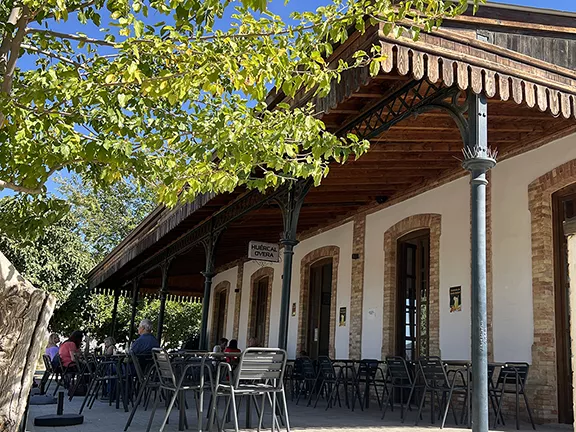
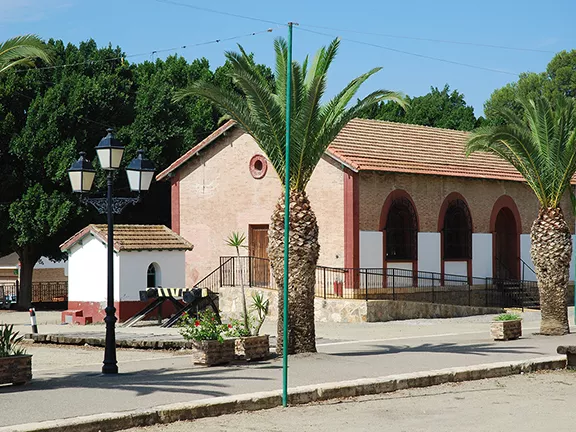
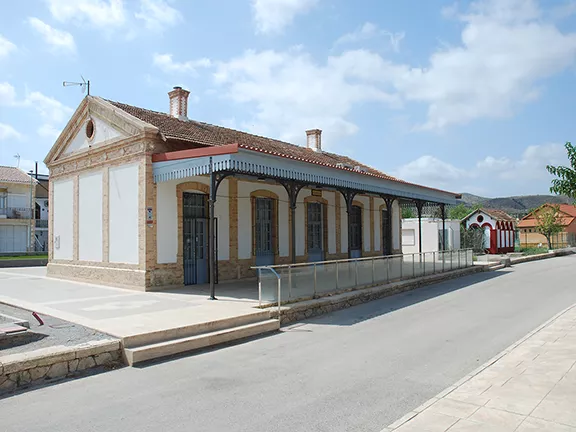
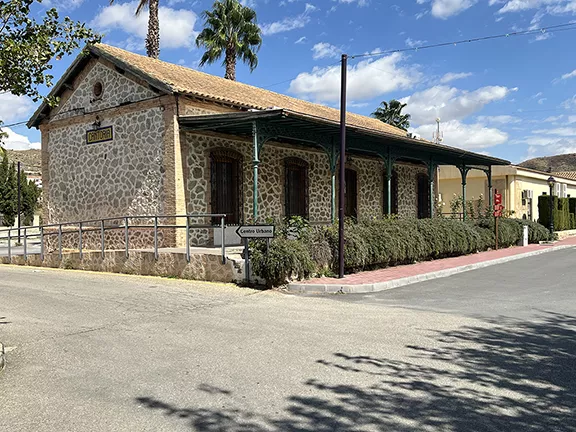
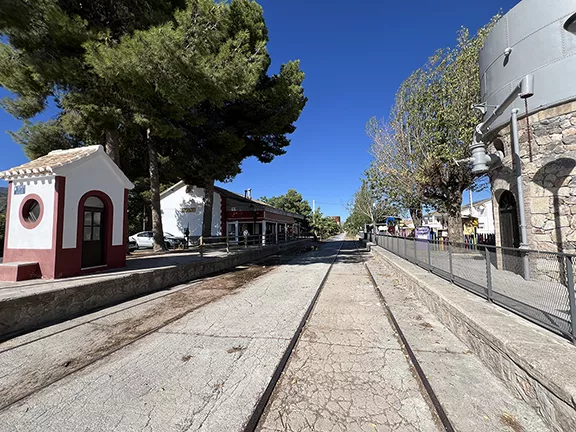
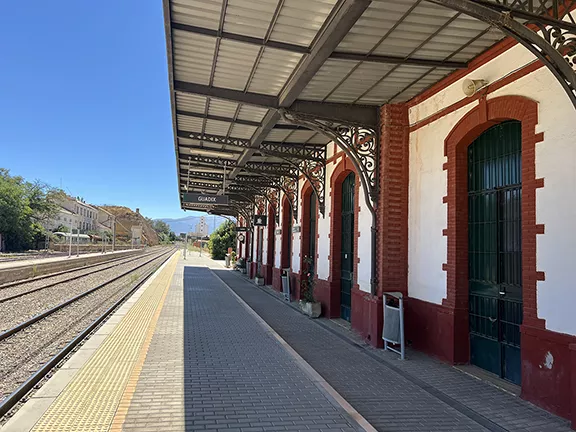
Águilas: This was the company’s unofficial headquarters. All administration was run from the station building, and the nearby workshops employed up to 250 people assembling and maintaining the rolling stock.
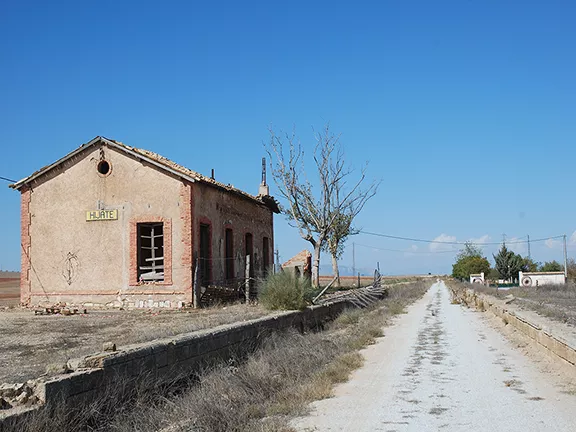
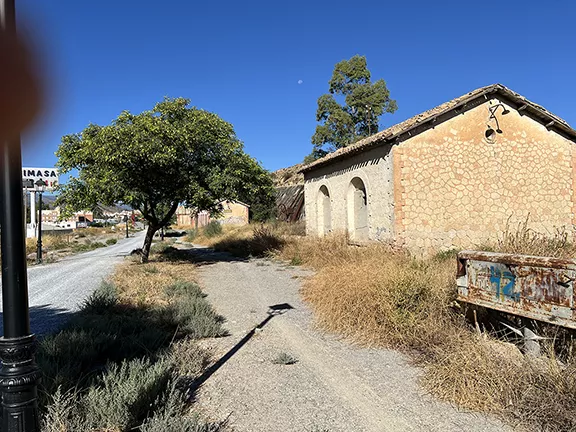
Jaravía: This remote rural station became a vital collection point for various minerals—silver, lead, copper, iron—mined in the Sierra de Aguilón and delivered by mule train for loading onto the railway.
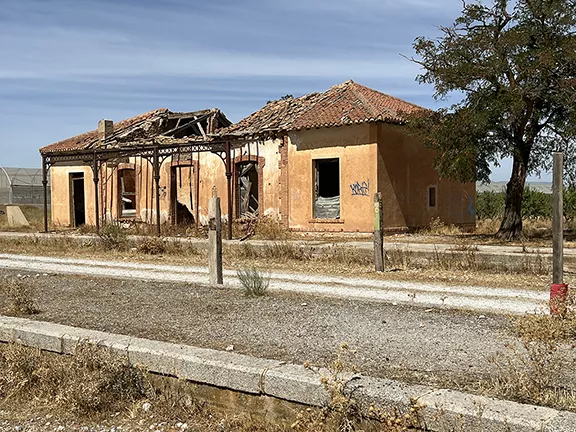
Pulpí: The station here served both the mines and the rich agricultural basin, becoming a centre for transporting vegetables and fruit, especially tomatoes. The steep ascent at Puerto de los Peines required iron ore trains to be split in half at Pulpí before tackling the incline.
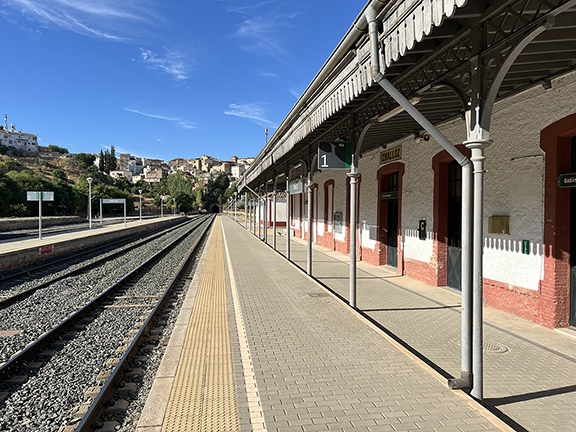
Almendricos: A vital junction, Almendricos was the key junction for the branch line to Águilas and the main line to Lorca and Baza. Due to the track layout, heavy shunting manoeuvres were required: trains arriving from the interior had to reverse into sidings to continue to the port. This required a heavy, manually operated turntable, often requiring up to four men to spin a 90-ton locomotive.
A Line That Survived
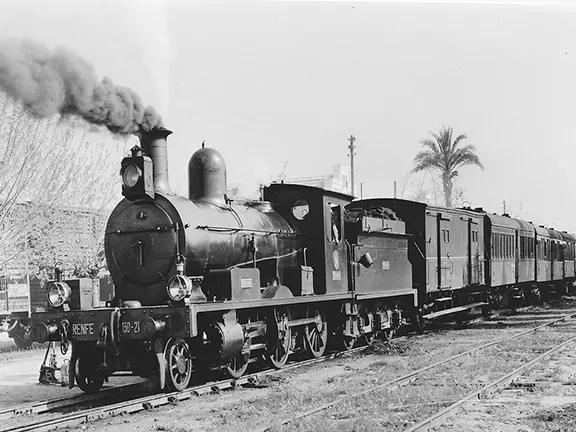
The Lorca to Almendricos to Águilas line has a unique, resilient history. While the main GSSR line to Baza closed in 1984, this coastal section survived, largely due to popular support and its continued use for passengers, particularly the "Tren de los Baños" (Bathing Train) in the summer months.
The line is now undergoing its next great transformation. In 2022, it was closed to allow for extensive modernisation, conversion to standard gauge, and electrification. This work is part of Spain’s broader plan to integrate the route into the new Mediterranean High-Speed Rail Corridor, ensuring that this historic path to the sea remains an industrial artery for decades to come.
Enjoying This Article – FREE to read on Kindle Unlimited?
My new book, 'The Grandiose Ambition of the Great Southern of Spain Railway Company Ltd.’ is now available as a fully illustrated, colour, paperback from Amazon, as a downloadable ebook from Kindle and Free to Read on Kindle Unlimited.