After its Industrial Revolution, Britain's global strategy was clear and two-fold. First, it needed new markets for its factory-made goods, and second, it craved raw materials—the coal, iron, and ores—to feed its new, steam-powered industries. Spain, despite its long history, was considered a "semi-peripheral" economy, rich in vast, underexploited mineral deposits and blessed with cheap labour. This made it a perfect target for foreign investment.
Contents
Setting the Stage: Informal Empire and the Genesis of the GSSR
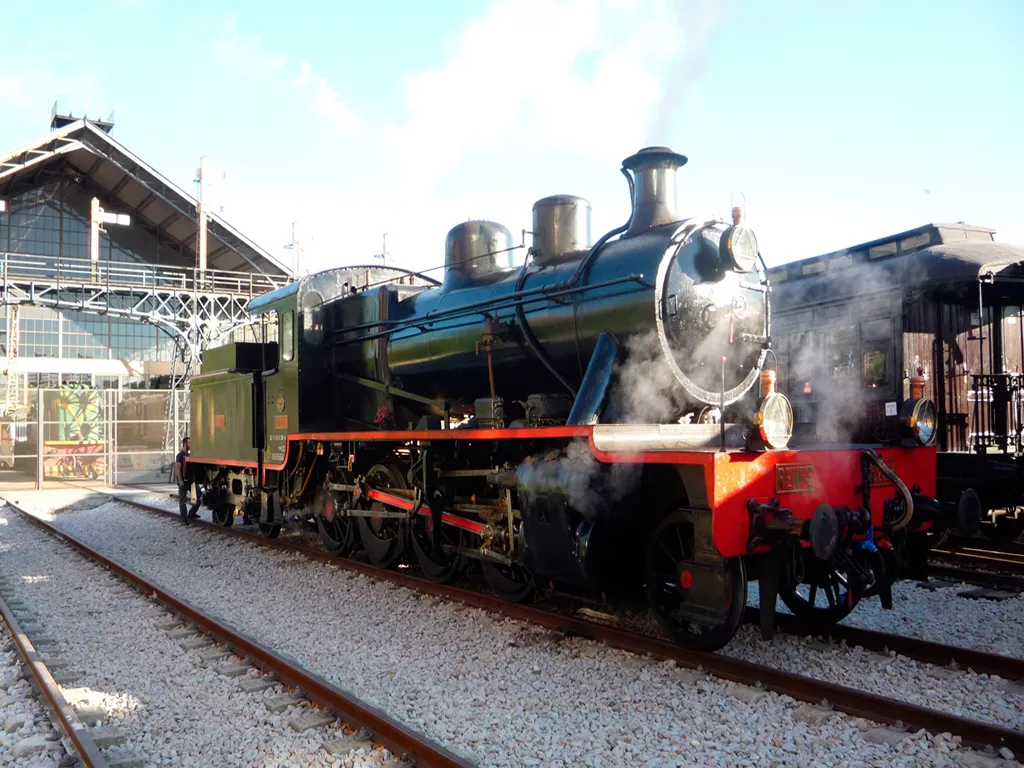
To understand the Great Southern of Spain Railway Company, or GSSR, we first need to appreciate the bigger picture: the massive surge of British economic power in 19th-century Spain. This influence has often been described as a form of "informal imperialism."
The Artery of Empire: Foreign Capital and Spanish Railways
From the 1840s up to the First World War, British capital, along with significant French and Belgian investment, became absolutely central to Spain’s industrial growth. This foreign control was most visible in the railway and mineral extraction industries.
Crucially, these railways weren't built to create a smooth, interconnected national transit system. Instead, their design was a map of foreign commercial interests and the whims of Madrid's elite. The system developed in a radial pattern, radiating out from the capital and key ports, serving as arteries to efficiently transport resources—from inland mines and farms—to the coast for export.
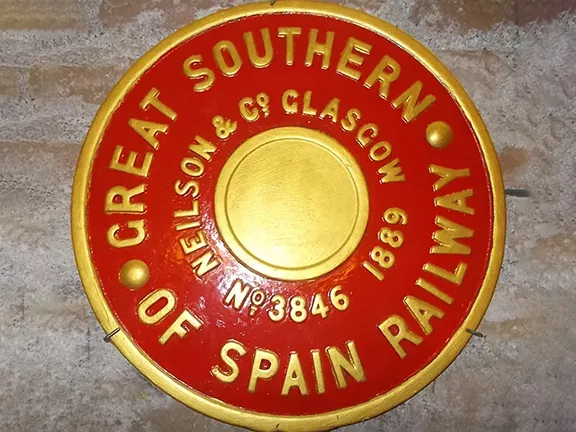
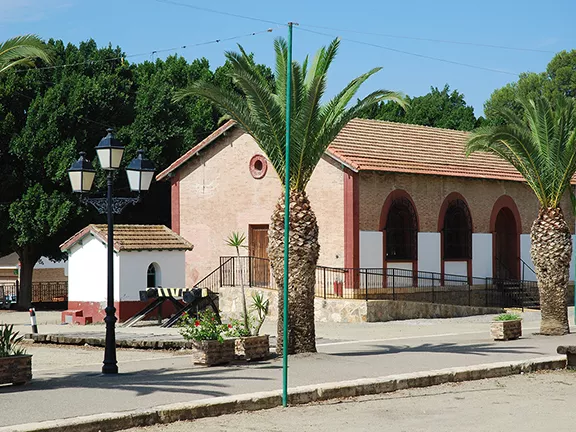
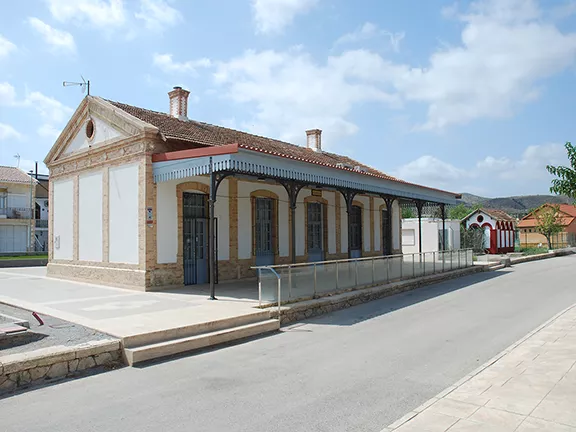
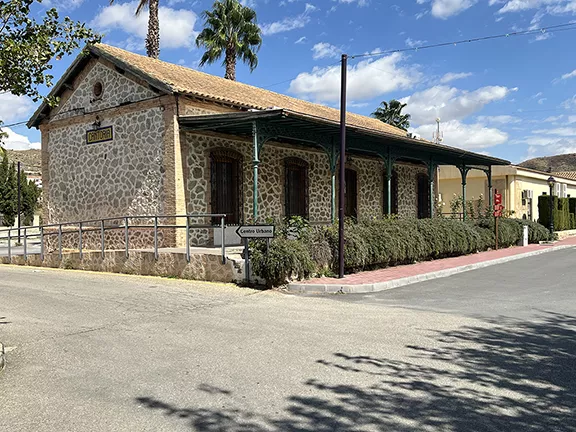
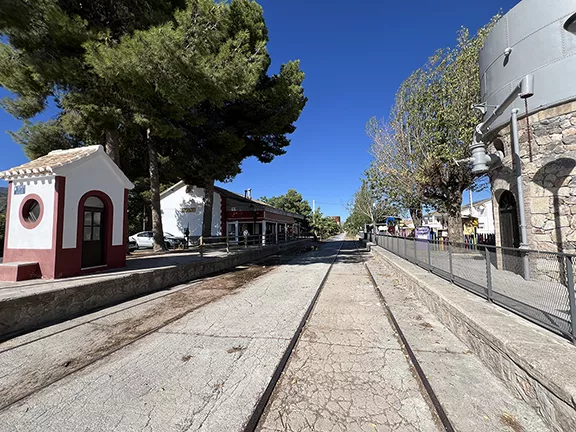
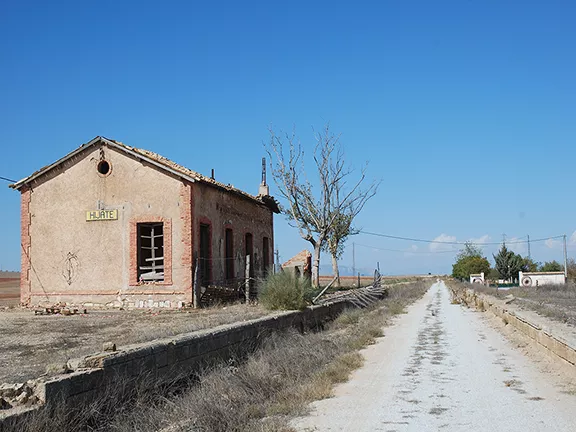
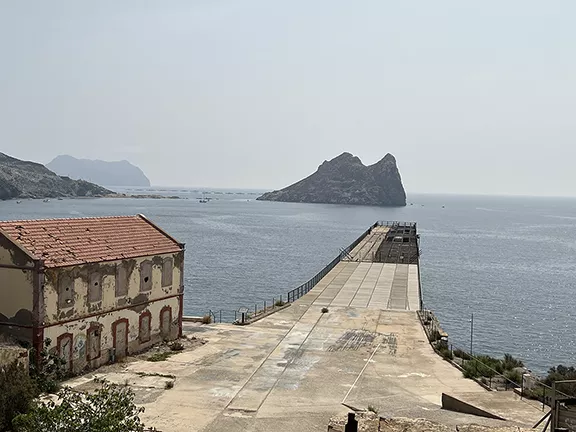
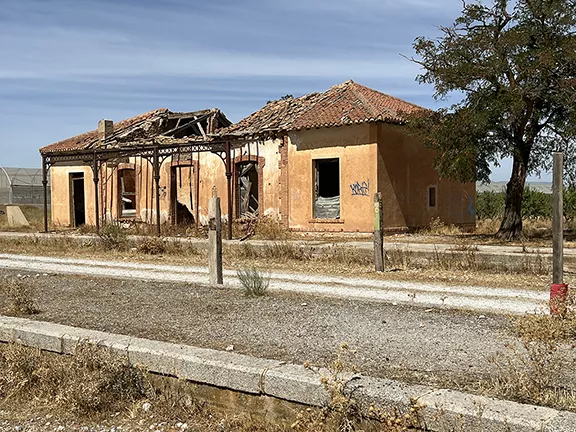
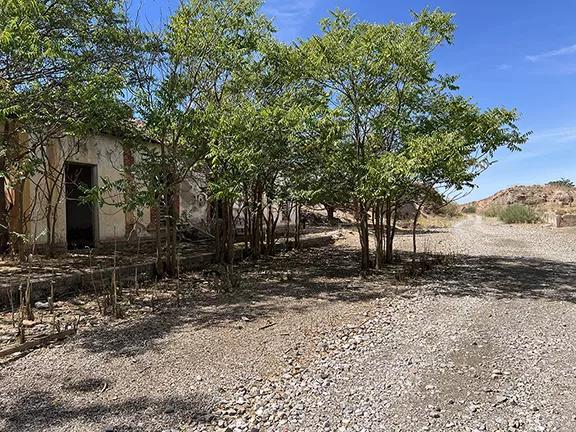
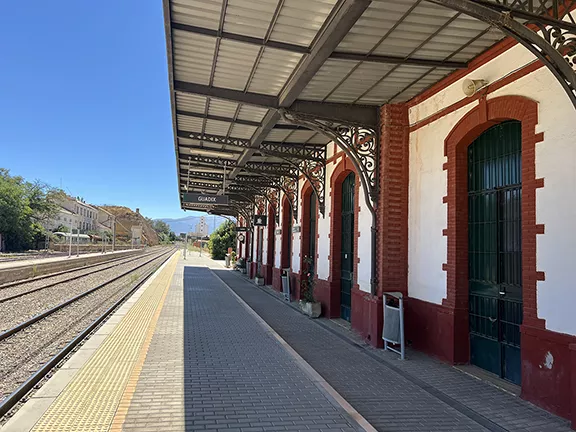
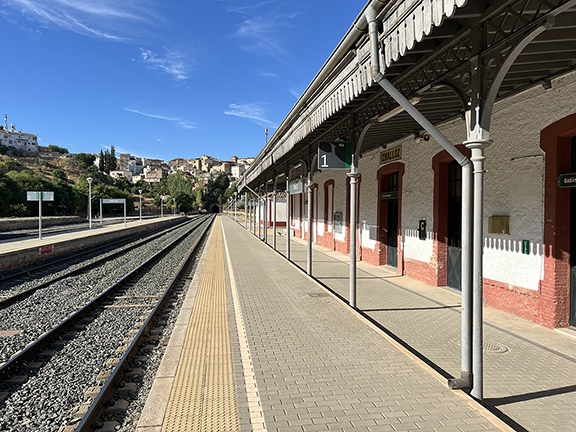
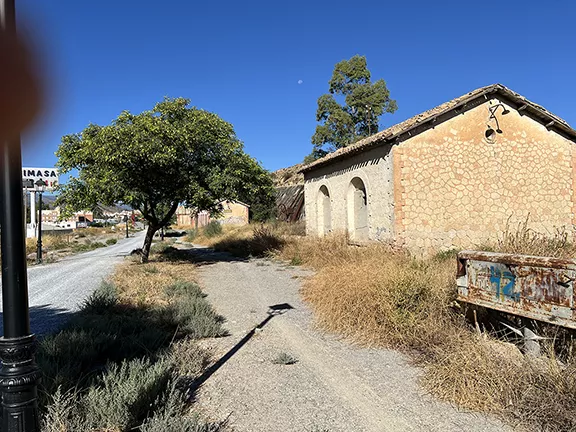
The GSSR project fits this pattern perfectly. Its sole purpose was to connect the mineral-rich provinces of Murcia, Almería, and Granada to the port of Águilas, making it easy to ship out iron, lead, and other ores. It was a classic example of a "freestanding company," a corporate entity designed specifically for foreign direct investment to exploit a single economic opportunity in a distant land.
False Starts and French Forays
Spain’s Industrial Revolution arrived late, hampered by internal conflicts following the collapse of the Old Regime. Unlike in Britain, where the state often drove large infrastructure projects, Spain’s railway development was left to private ventures, leading to uneven, often chaotic modernization.
Early British involvement was significant. The Barcelona-Mataró line—the first railway on the Iberian Peninsula—was built by a British company and opened in 1848. However, this early momentum stalled. A damning report on the state of Spanish railways, delivered in 1845 by the renowned engineer George Stephenson, often called "the Father of Railways," prompted a major withdrawal of British money.
French entrepreneurs and engineers stepped into this vacuum, bringing new techniques, like the use of metal bridges. But the network’s expansion remained slow for decades. Businesses simply weren't generating the returns they'd expected. By the mid-19th century, the rugged, mountainous terrain of southeastern Spain was largely isolated and without rail connections. Building there was too costly, and the potential traffic seemed too sparse to justify the expense.
The Mineral Rush: Huelva, Linares, and the Southern Promise
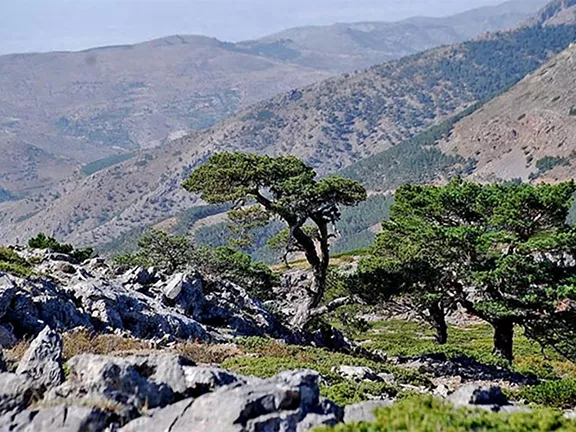
The economic reality for Spanish railway ventures changed fundamentally with the discovery of vast mineral wealth. The mountainous regions of the Sierra de Los Filabres in eastern Andalucia and the area around Linares in Jaén province were found to be exceptionally rich in ores. This discovery provided the commercial imperative that had been missing: connecting these inland mines to the sea would finally guarantee the necessary return on investment.
This reality triggered a resurgence of foreign capital, particularly from Britain, which already had a long history of industrial and mining interests in Spain.
The template for success was set by ventures like the Rio Tinto Company Limited (RTC), founded in 1873. The RTC acquired massive copper mines in Huelva and built an extensive industrial complex and a dedicated railway to export its output. This success provided a powerful, undeniable business model for future investments.
The British legacy from this era is still tangible: from the Cable Inglés (English Pier) in Almería, built to serve the British-run Alquife iron mines, to the distinctive, red-brick, British-style architecture in mining towns like Rio Tinto.
The GSSR was a direct product of this trend—a strategic investment to exploit the mineral wealth of a region long considered an economic backwater.
The Call of the Almanzora: The Lifeline
The GSSR's primary objective was to serve as an industrial lifeline, linking Murcia, Almería, and Granada to the port at Águilas. The line was engineered to run through the Almanzora Valley, following the general path of the river, and was explicitly designed to transport iron ore, lead, marble, and esparto grass from the inland industries down to the coast for export. It functioned as an "umbilical cord" for the region, finally ushering in the Industrial Revolution and profoundly transforming the local economy.
The company’s vision was one of grandeur, a belief that a monumental feat of engineering could unlock the commercial potential of an otherwise isolated region. This narrative—a classic "triumph of hope over experience"—would, however, be repeatedly tested by the financial, bureaucratic, and even natural challenges that lay ahead.
Enjoying This Article – FREE to read on Kindle Unlimited?
My new book, 'The Grandiose Ambition of the Great Southern of Spain Railway Company Ltd.’ is now available as a fully illustrated, colour, paperback from Amazon, as a downloadable ebook from Kindle and Free to Read on Kindle Unlimited.