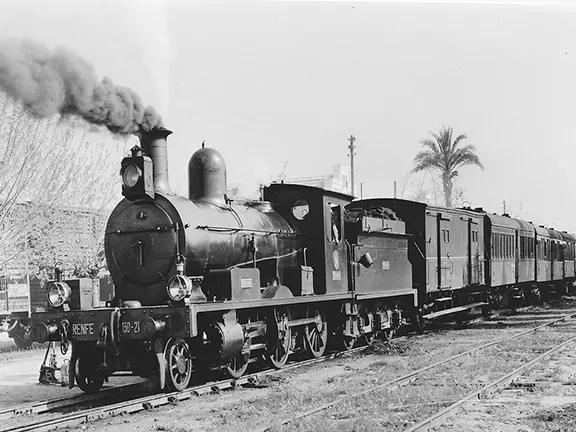
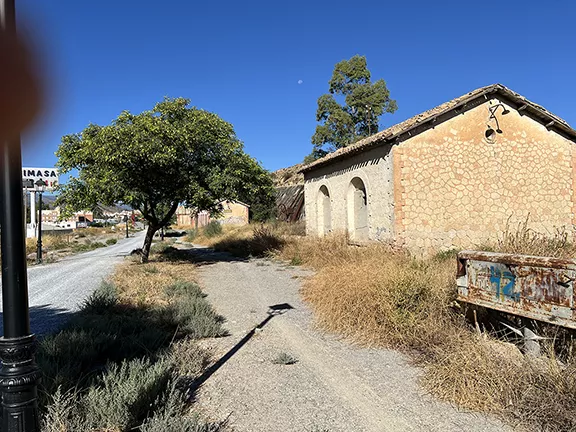
The completion of the remaining route fell to a powerful new Spanish-led consortium, the Compañía de los Caminos de Hierro del Sur de España (CCHSE), under the financial oversight of Ivo Bosch Puig.
Contents
The Final Connection: Granada to Guadix
The original, grand ambition of the British-owned Great Southern of Spain Railway—to link the port of Águilas directly to the great city of Granada—was ultimately beyond their means. Crippled by financial disaster, the GSSR had to stop at Baza.
Topography: From Sierra Nevada to Badlands
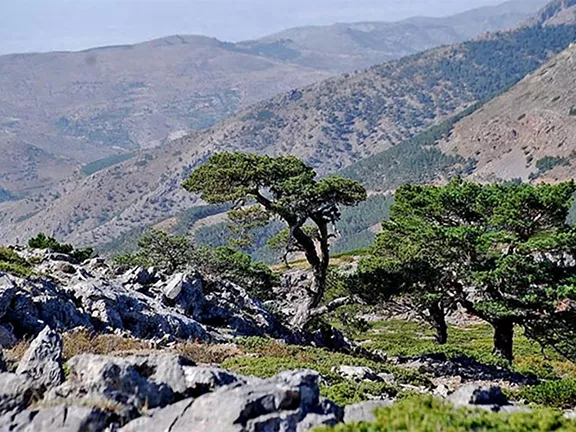
The topography on the route from Granada to Guadix is one of southern Spain's most visually stunning transitions, a journey from glacial peaks to arid depressions.
Granada sits at the foot of the magnificent Sierra Nevada, with snow-capped giants like Mulhacén and Veleta towering over 3,300 metres high. The railway line skirts the northern slopes of the lower Sierra de Huétor, passing through a hilly, forested buffer zone.
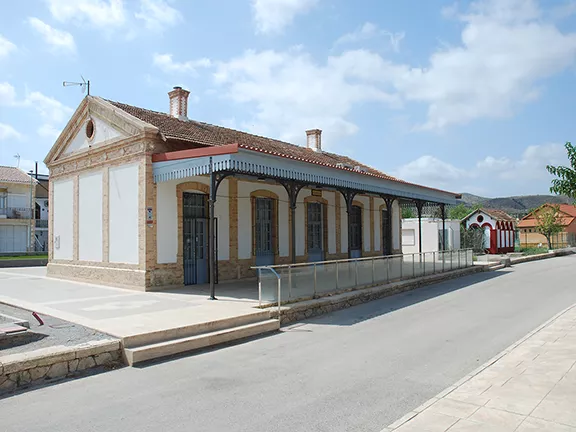
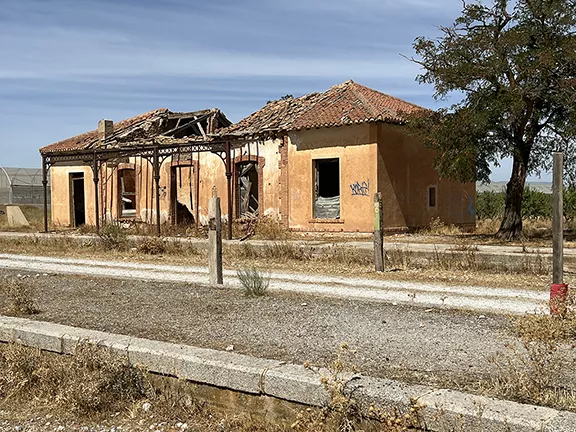
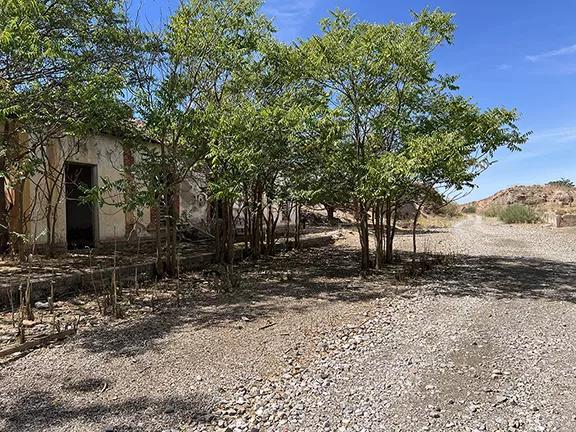
Then, abruptly, the landscape opens into the immense, arid plain of the Hoya de Guadix. This massive tectonic basin, characterized by the sculpted earth and deep gullies of the badlands, creates a dramatic visual contrast. The railway followed a natural corridor, passing through two important way stations, Huélago-Darro-Diezma and Benalúa de Guadix, on its descent to the Guadix junction.
Moreda: The Essential Junction
To connect the Baza line to Granada, the entire route had to pass through Moreda.
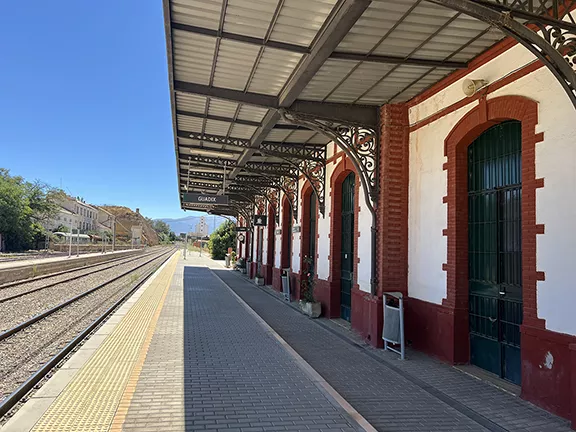
Moreda was already a vital hub because it served as the key junction for two major lines: the new one running down to Granada, and the Linares-Baeza to Almería line, which was being built by the CCHSE to link the interior mines to the port. The section from Moreda to Guadix, which the GSSR had planned, was completed by the CCHSE and opened in 1896.
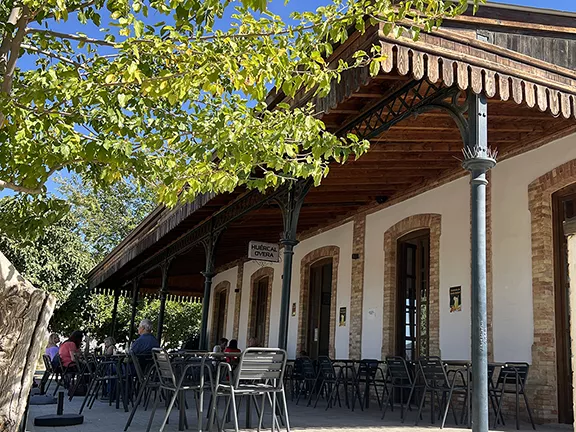
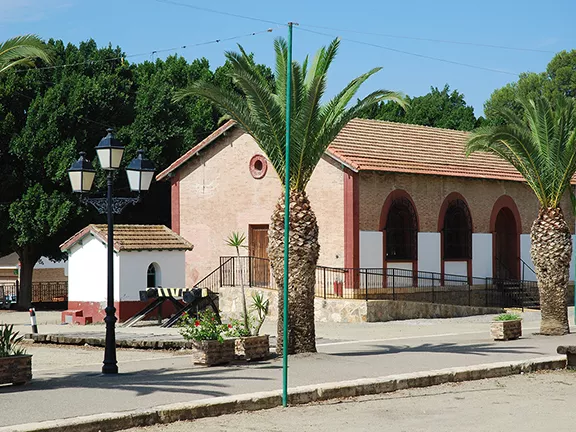
Moreda station was critical for operational flexibility, featuring a turning triangle, or "wye," that allowed steam locomotives and rolling stock to efficiently change direction between the converging lines. It remains an active junction today.
The Final Link to the City
The last piece of the original GSSR jigsaw puzzle was the line from Moreda to Granada.
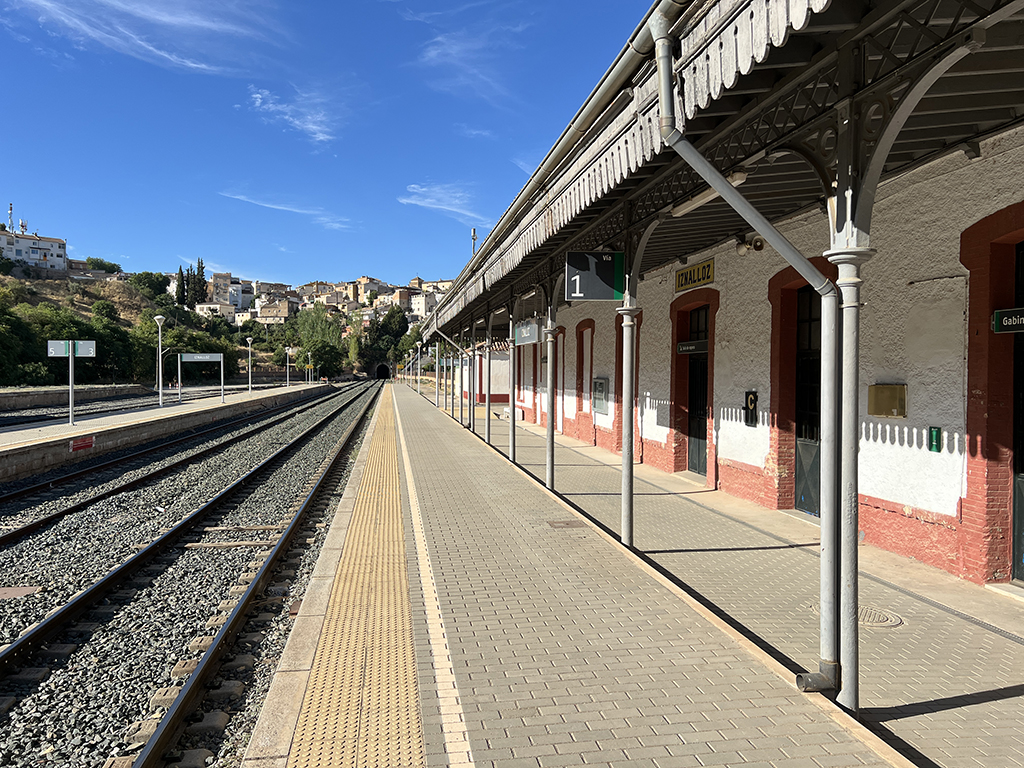
After being granted the concession, the Granada Railway Company contracted the CCHSE to undertake the work. The line had to traverse challenging terrain, including a notable railway tunnel beneath the town of Iznalloz, and rise to an elevation of nearly a thousand metres at Píñar.
The final section of the railway was officially inaugurated on May 2, 1904 although, as we saw in the previous article, it was not possible to travel from Baza to Guadix until 1907.
With this, the entire route—from the dockside at Águilas, through the vast mineral heartland, across the challenging mountains of the Sierra de Baza, and finally to the great city of Granada—was complete. Although it was achieved through a series of corporate collapses and transfers, the vision that the British entrepreneurs first conceived was finally made real.
The Railway's Legacy
The completion of the entire line—by whatever company—transformed the towns along the route. From the isolated villages in the Almanzora Valley to the industrial centres of Baza and Guadix, a new economic reality had begun.
What, then, was the final, lasting impact of this completed railway on the once-isolated towns and the economic destiny of southeastern Spain?
Enjoying This Article – FREE to read on Kindle Unlimited?
My new book, 'The Grandiose Ambition of the Great Southern of Spain Railway Company Ltd.’ is now available as a fully illustrated, colour, paperback from Amazon, as a downloadable ebook from Kindle and Free to Read on Kindle Unlimited.