Contents
Deeper into Almería: Almendricos to Huércal-Overa (1890–1891)
Topography: A Fertile, but Arid Land
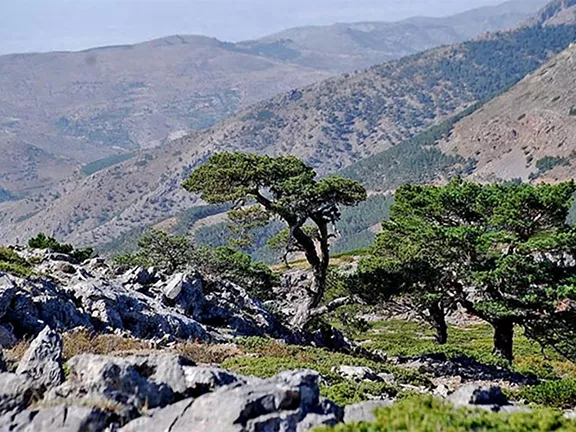
This plain is framed by low, rugged mountains, such as the Sierra de Enmedio to the east. A key feature of this arid topography is the network of successive “ramblas,” or dry riverbeds. While usually empty, these ramblas can quickly turn into raging torrents during heavy rains, requiring the GSSR engineers to navigate them with numerous trenches and embankments. The town of Huércal-Overa itself is a historic centre within the Almanzora River basin, a major waterway that has shaped the region for centuries.
Construction and a Financial Crash
However, the advance of the track came despite catastrophic financial news. Just months after the first section opened, the construction company, Hett, Maylor & Co. Ltd., had declared bankruptcy at the end of 1890.
The root cause was a gross underestimation of the costs, compounded by high land acquisition prices and, damningly, the company being "ripped off by subcontractors." This massive oversight, coupled with the fatal fixed-price contract, meant the project was woefully undercapitalized. Despite the financial collapse that would occupy the GSSR with restructuring for years, the company pressed on, opening the Almendricos to Huércal-Overa section in the spring of 1891.
A Fatal Disconnect
On October 8, 1929, a horrific train collision occurred near Huércal-Overa. The incident began when thirteen wagons became disconnected from a train during shunting operations at the station. Unmanned, the wagons rolled freely down an incline towards Almajalejo, gathering lethal speed before ploughing into the iron ore Train No. 2 at full force. The crew of Train No. 2 had virtually no warning.
The force of the impact destroyed one locomotive, severely damaged another, and derailed numerous wagons. Since the runaway wagons were full of esparto grass, a massive fire immediately erupted, creating a huge conflagration that engulfed the wreckage. A rescue train was quickly dispatched, but sadly, they had the grim task of removing the body of the train driver—or the brakeman, reports vary—from the wreckage.
Despite the monumental task of clearing the debris and repairing the line, the GSSR staff performed a miracle: the line was reopened just five days later, entirely due to the dedication of the railway workers. The material loss alone was estimated at a staggering half a million pesetas. The line's history here is marked by a terrible accident that underscores the dangers of railway operations.
On October 8, 1929, a horrific train collision occurred near Huércal-Overa. The incident began when thirteen wagons became disconnected from a train during shunting operations at the station. Unmanned, the wagons rolled freely down an incline towards Almajalejo, gathering lethal speed before ploughing into the iron ore Train No. 2 at full force. The crew of Train No. 2 had virtually no warning.
The force of the impact destroyed one locomotive, severely damaged another, and derailed numerous wagons. Since the runaway wagons were full of esparto grass, a massive fire immediately erupted, creating a huge conflagration that engulfed the wreckage. A rescue train was quickly dispatched, but sadly, they had the grim task of removing the body of the train driver—or the brakeman, reports vary—from the wreckage.
Despite the monumental task of clearing the debris and repairing the line, the GSSR staff performed a miracle: the line was reopened just five days later, entirely due to the dedication of the railway workers. The material loss alone was estimated at a staggering half a million pesetas.
Huércal-Overa: A Centre Reinforced
The railway's presence here reinforced the town's role as a regional centre. Unlike other smaller stations that the GSSR built from scratch, Huércal-Overa was already an established, thriving market town, having been a provincial seat since 1884. The railway didn't create the town, but it was a powerful catalyst for its modernisation, connecting local agricultural products—fruit, vegetables, and artisanal goods—to wider markets and cementing its role as a key transit point for the region’s economic driver: mining.
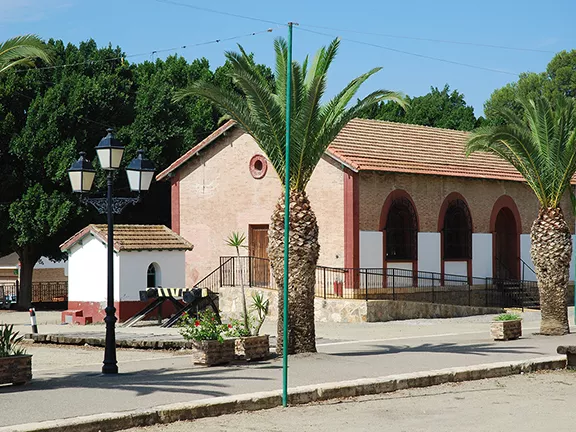
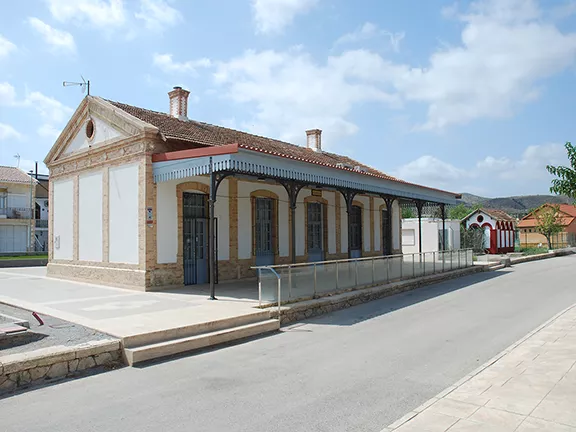
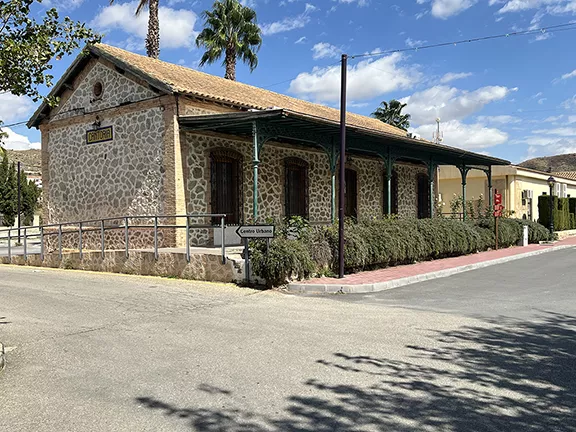
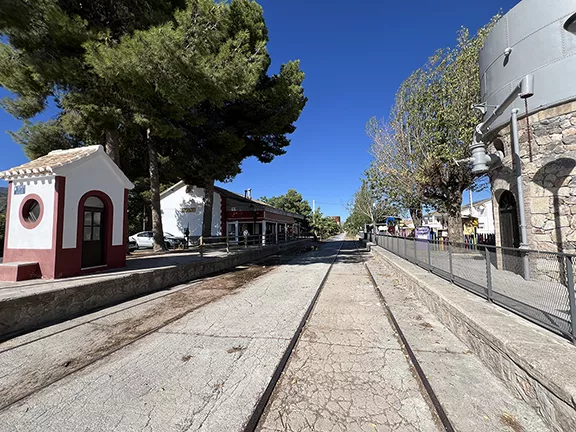
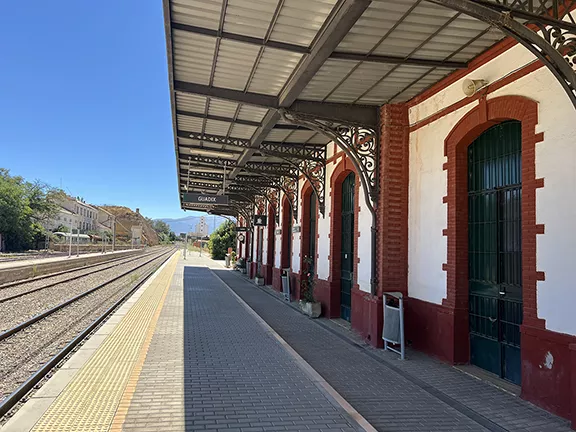
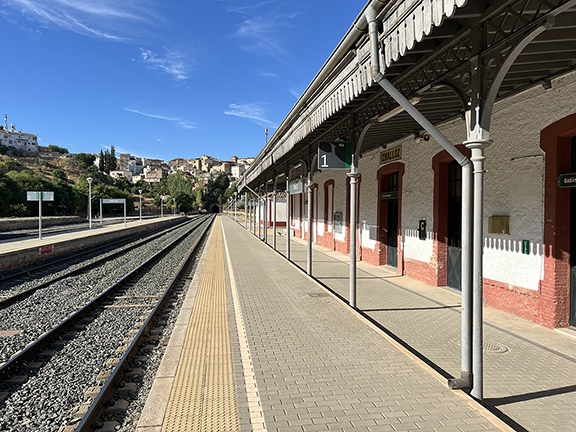
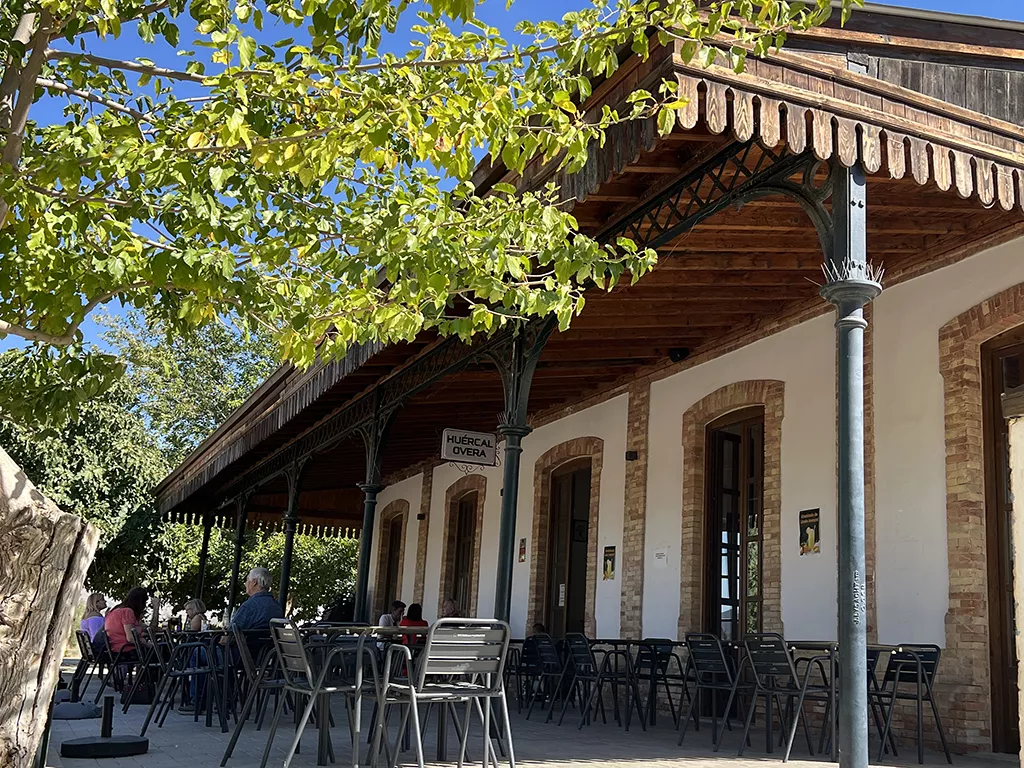
Today, the smoke, steam, and noise of the shunting engines are long gone. The Vía Verde—or Greenway—now follows the trackbed, allowing cyclists and hikers to experience this historic route. The Huércal-Overa station building has been converted into a bistro bar, ensuring that the old railway station remains a central part of the town's life.
Enjoying This Article – FREE to read on Kindle Unlimited?