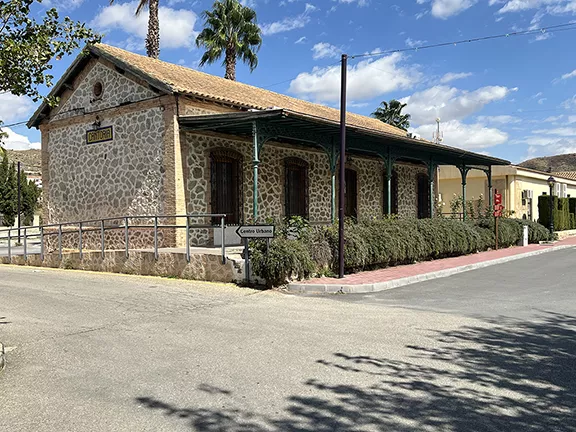
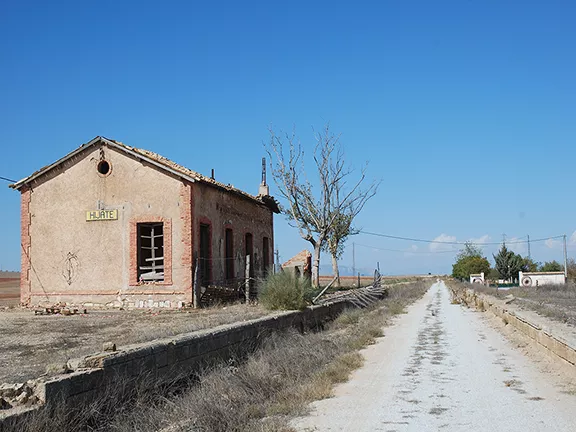
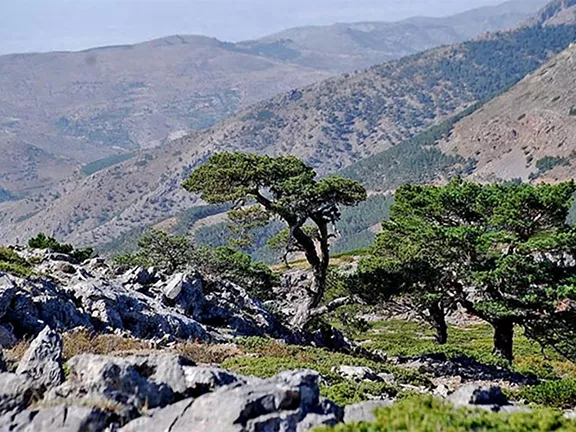
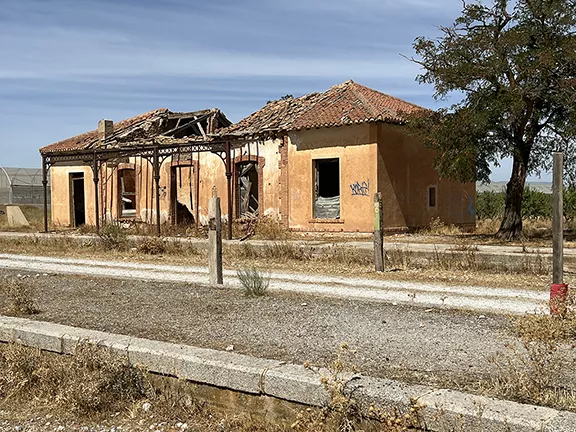
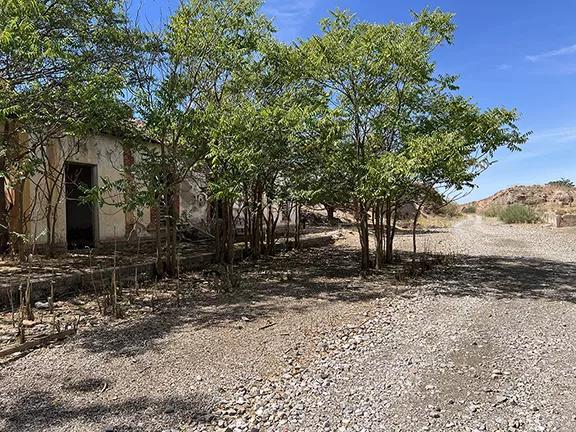
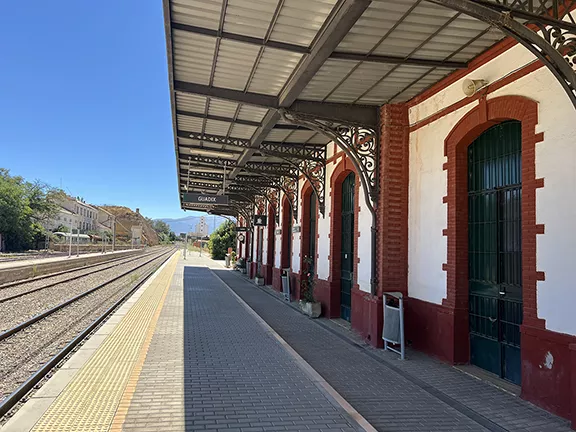
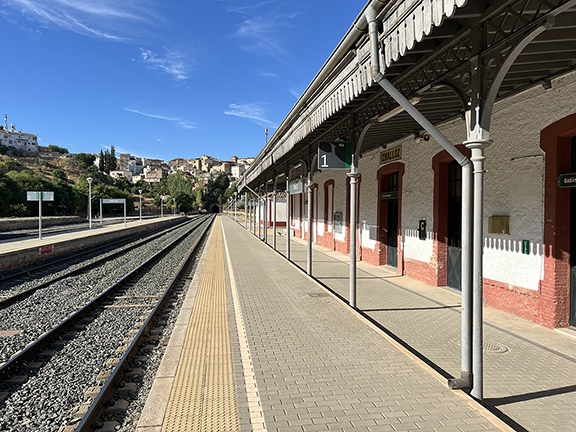
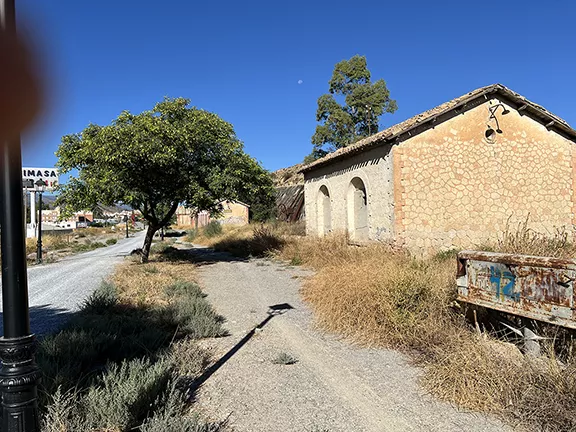
The terrain here changes dramatically. Serón itself is nestled directly on the northern slopes of the Sierra at an elevation of over 750 metres. The journey is a gradual but definite ascent, transforming the landscape from an agricultural valley into a wilder, rugged, and more forested mountain environment.
Contents
Ascent to the Mines: Purchena to Serón (1894)
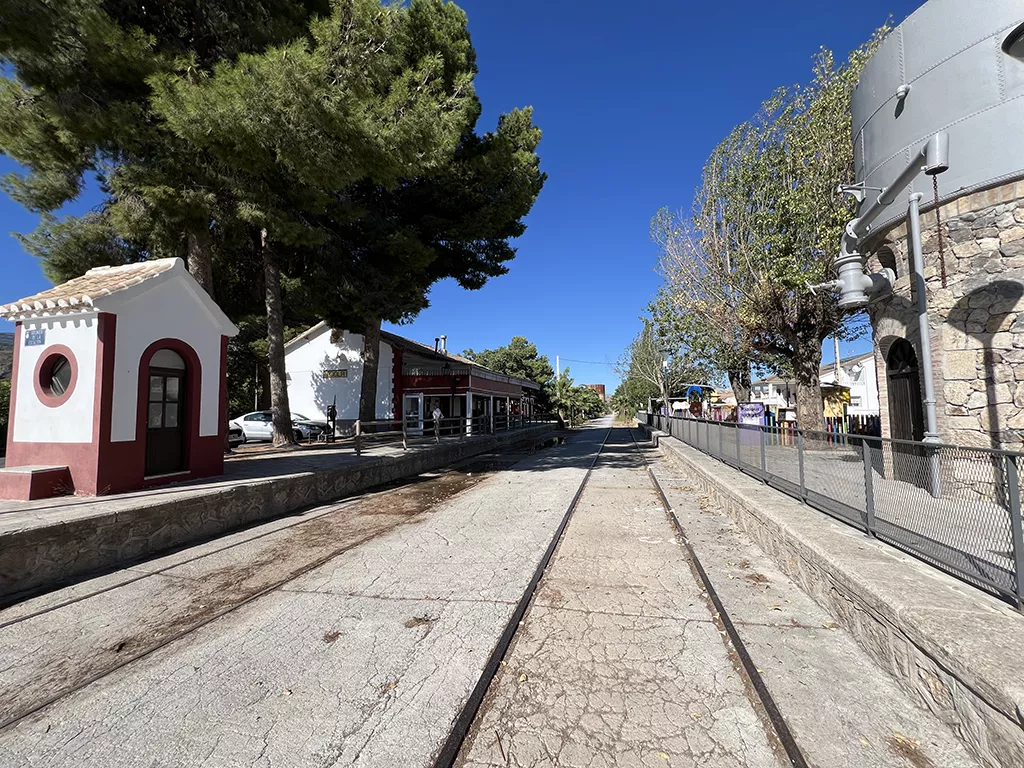
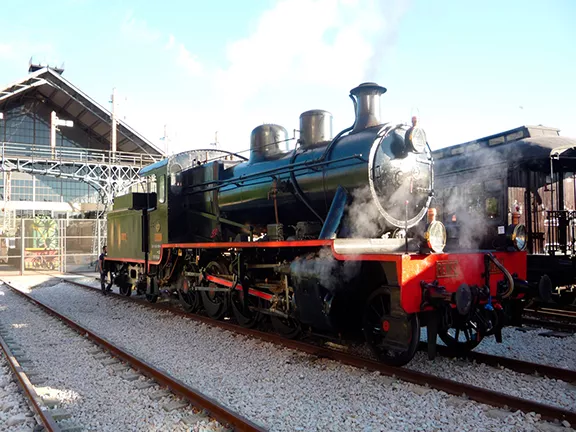
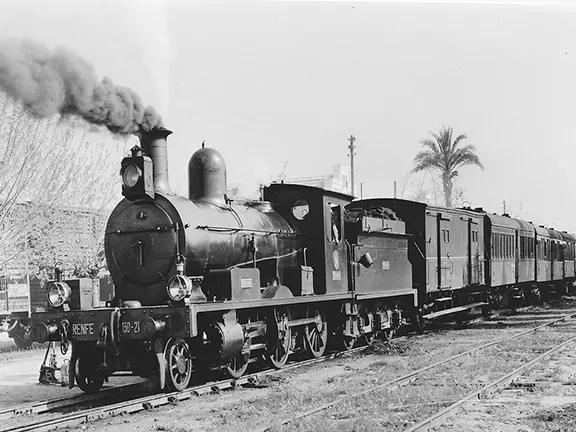
In the summer of 1894, the Great Southern of Spain Railway made its final push into the true heart of the mineral zone. The line between Purchena and Serón, passing through Tíjola, was inaugurated on September 10, 1894. This wasn't just another stretch of track; this was the railway climbing from the flat valley floor to the base of the mighty Sierra de los Filabres, the mountain range that held the iron ore essential to the GSSR’s survival.
The Persistent Plague of Hard Water
The opening of the line to Tíjola ironically provided a solution to a problem that had plagued the railway since its first engine turned a wheel: hard water.
The GSSR had initially relied on assayers who promised abundant, soft water along the route, painting a picture of a veritable Garden of Eden. The reality, however, was a semi-arid zone with little water, and what was available was incredibly hard, packed with minerals that crystalized inside the locomotives' pipes and boilers.
From the start, engines were constantly out of action with calcified tubes. The constant need for repair meant that GSSR drivers and firemen became unofficial experts in boiler maintenance. The problem was dangerous, too. In September 1907, a boiler explosion on Engine No. 2, the LORCA, killed both the driver and the fireman—likely because the pressure release valve had clogged with limescale.
The company's saviour was Gustave Gillman, the GSSR's resident genius and eventual general manager. He found a source of soft water in the Bacarese River, which carried snowmelt down from the Sierra de Bacarese. Despite being tied up in centuries-old legal disputes, Gillman persevered. In August 1911, after sinking a well and installing a steam pump, soft water finally flowed to the Tíjola tanks. From there, a new pipeline supplied water downhill to all the stations in the valley, providing a lasting solution to the plague of scale and leaky boilers.
The Iron Lifeline: Cableways and Cargaderos
Serón was the focus of the line because of its direct proximity to the mining areas in the Sierra de los Filabres. Gillman understood that the GSSR's path to profitability was paved with iron ore, and he tirelessly convinced British investors to open new mines.
The logistical challenge of getting iron ore from the high, remote mines—up to 17 kilometres away—down to the railway line was monumental. The solution was an extensive system of aerial cableways built by companies like Ropeways Ltd. and Pöhlig.
The most significant operation centred on the Las Menas Mines, located in the Sierra Bacarese. At its peak, the adjacent village was a bustling town of 2,900 people with a school, hospital, and even a theatre. Ore was transported via cableway directly to the railway. Today, Las Menas is a dramatic ghost town, a stark reminder of the mining boom's rise and fall.
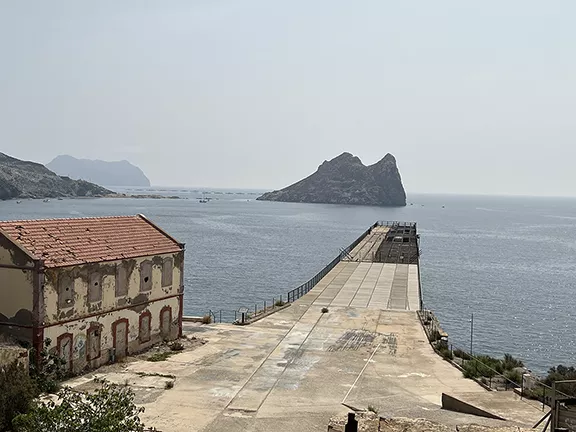
To handle the immense traffic, the GSSR built massive loading facilities, known as cargaderos. The Cargadero de los Zoilos at Serón, and later the much larger Los Canos cargadero a few kilometres down the line, were equipped with huge hoppers capable of storing tens of thousands of tons of ore.
The loading process was a complex feat of engineering: the cableway buckets would empty into the hoppers, and then trains of specialized wagons were shunted beneath the hoppers and loaded via controlled chutes. At Los Canos, because the station lacked a turntable, the locomotive would have to unhitch, proceed to Serón to be turned around, and then return to pick up its loaded train for the journey to the port.
Estación Serón: A New Community
Estación Serón, located a kilometre outside the main town, quickly became a critical shunting yard. It handled massive freight traffic—over 200,000 tons annually at its peak—and served as the main passenger transfer point for miners and workers heading to the mountains. This concentration of activity led to the formation of a small community around the station itself, separate from the ancient, hilltop town.
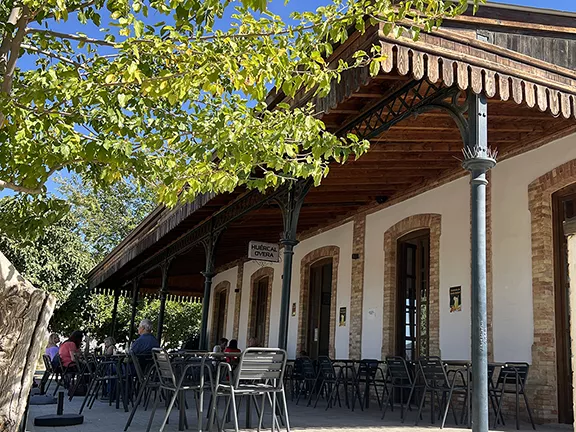
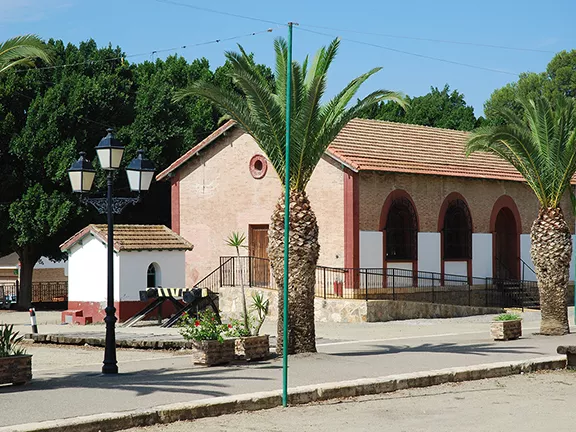
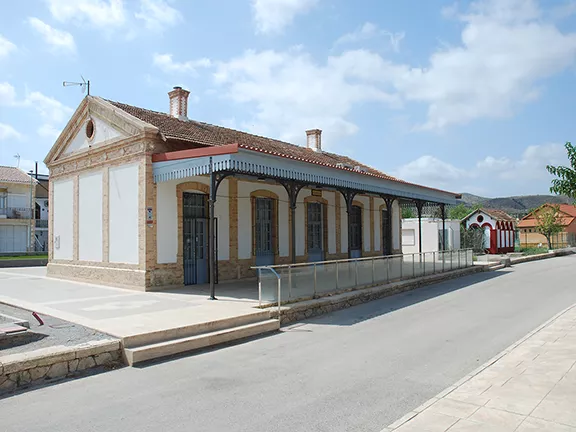
When the mining industry declined and the railway finally closed in 1985, the town of Serón, like many along the line, had to find a new identity. It successfully reinvented itself by focusing on its natural beauty, restoring its 13th-century castle, and building on its traditional cured meats industry—famous for Jamones de Serón—to become a popular rural tourism and agri-food centre. Today, the line between Purchena and Serón, with its striking bridges and dramatic ascents, forms a completed section of the Vía Verde del Almanzora, known locally as the Iron Greenway, a popular route for those wishing to explore the path of this remarkable mineral railway.
Enjoying This Article – FREE to read on Kindle Unlimited?
My new book, 'The Grandiose Ambition of the Great Southern of Spain Railway Company Ltd.’ is now available as a fully illustrated, colour, paperback from Amazon, as a downloadable ebook from Kindle and Free to Read on Kindle Unlimited.