Contents
The Twilight and Rebirth of the GSSR
From British Enterprise to State Control
This moment marked the symbolic and final end of the GSSR as a private British enterprise. Its fate was now tied to that of a larger, often underfunded, national system.
The Great Closure
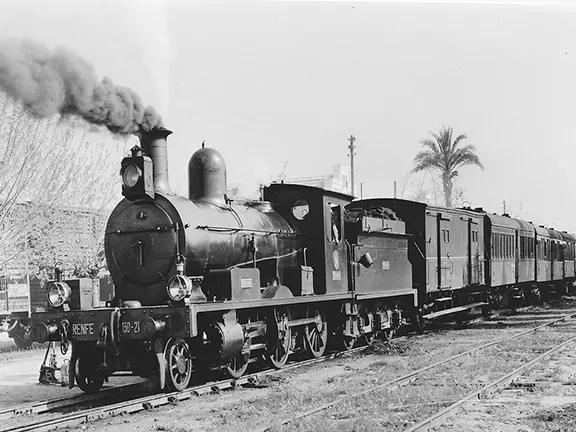
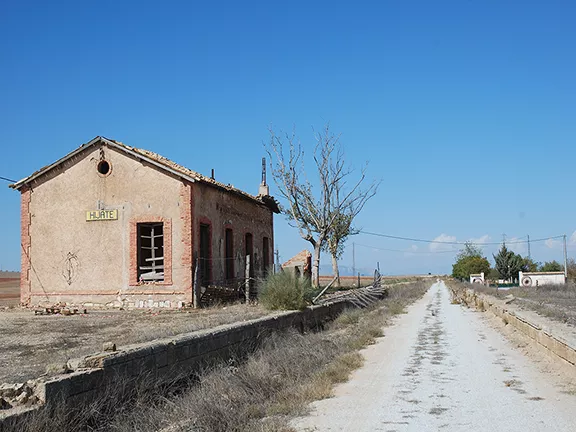
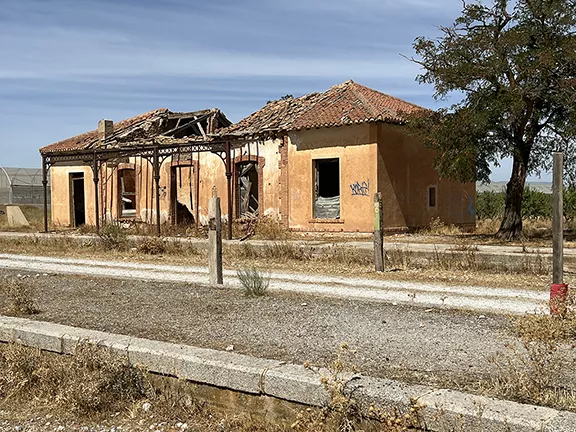
The GSSR line, having lost its primary mineral traffic with the closure of the mines in the late 1960s, was no longer economically viable. The main sections of the railway officially ceased operations on December 31, 1984. The eventual removal of the tracks in 1990 was a painful, symbolic act, cementing the loss of a vital connection that the communities of the Almanzora Valley had relied on for nearly a century.
Today, the line's status is a mix of closures and ambitious regeneration:
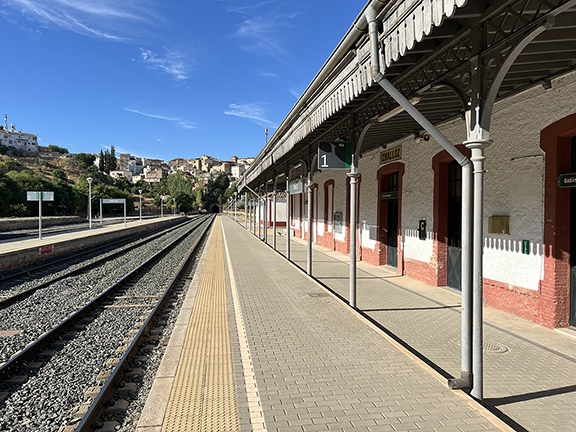
The crucial Baza to Almendricos section—the heart of the old GSSR—is now entirely closed, though much of it has found a new purpose.
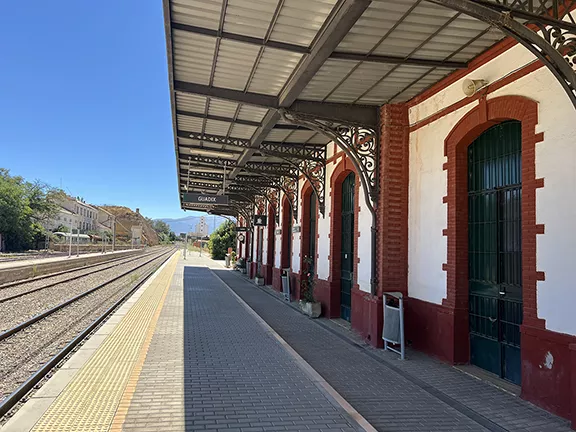
The lines connecting Lorca, Águilas, and Murcia are currently closed (2025) for extensive modernization. They are being upgraded and electrified to form part of Spain’s new high-speed rail network, bringing a modern connection to the region after decades of decline.
The Metamorphosis: From Industrial Artery to Greenway
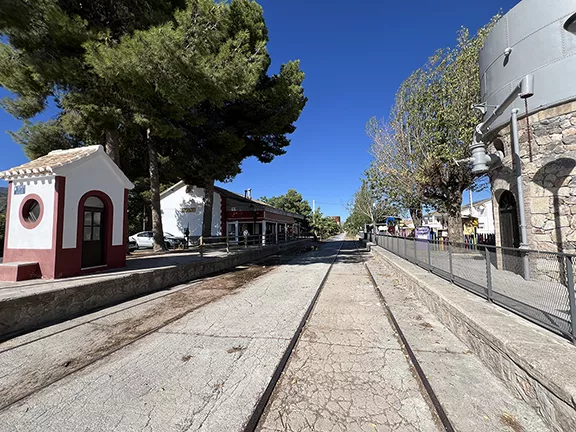
In 1993, the Vías Verdes (Greenways) program began converting abandoned railway beds into safe, scenic routes for walkers and cyclists. Much of the old GSSR track has been reborn as a Vía Verde, allowing people to trace the path of the past.
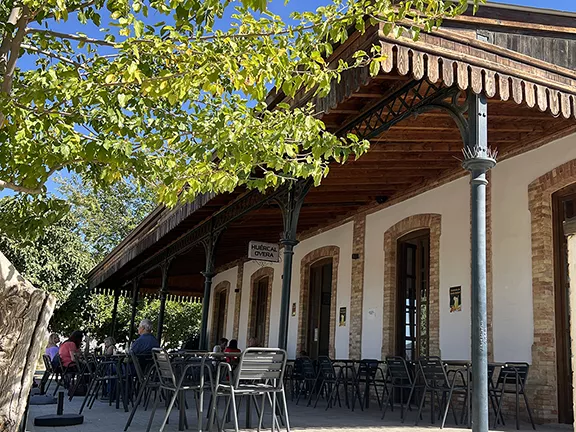
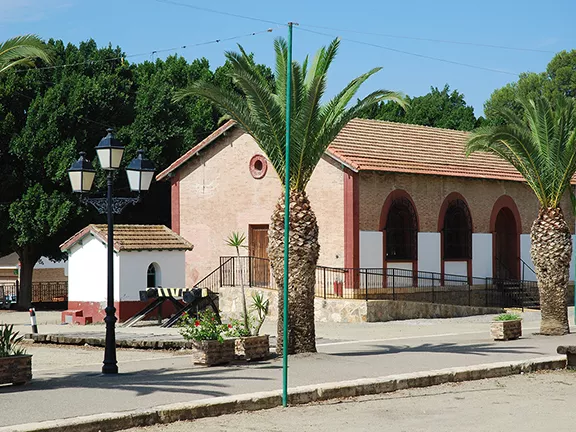
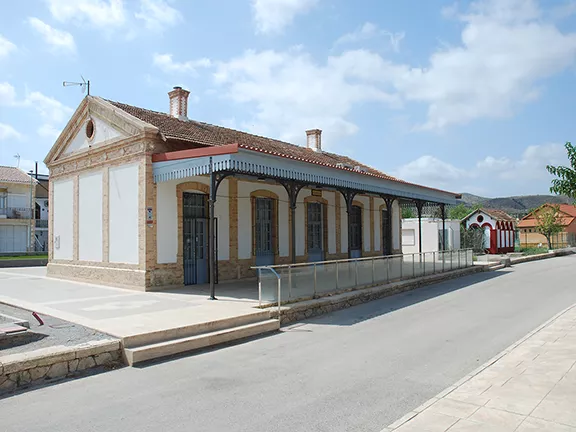
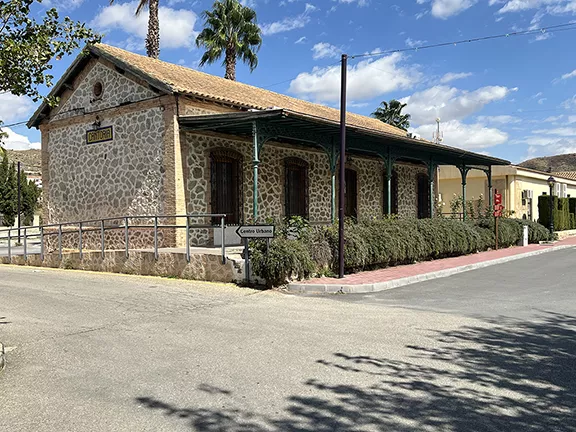
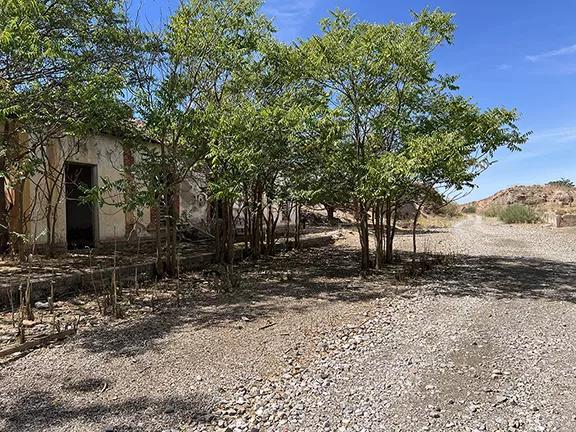
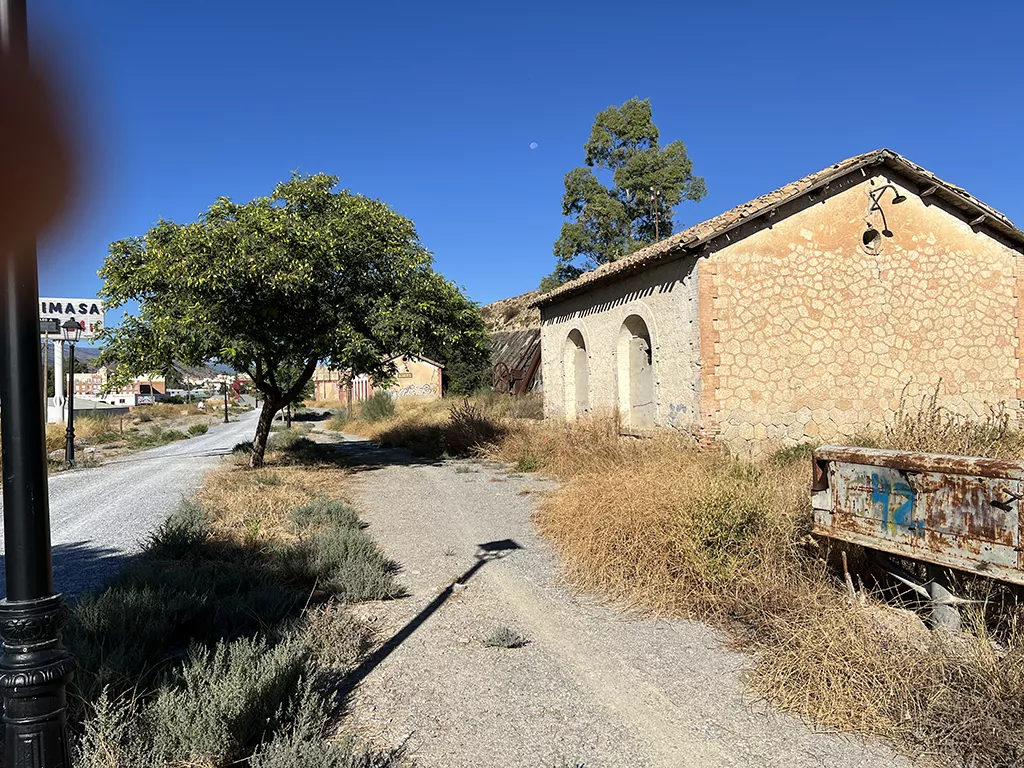
The line that was once a throbbing, dirty, smoke-filled industrial artery, a showpiece of Victorian-era engineering and mineral extraction, has undergone a profound metamorphosis. It has been transformed into a serene, peaceful cultural and recreational resource. Many of the old stations have been beautifully rehabilitated, now serving as bar-restaurants, museums, and community spaces.
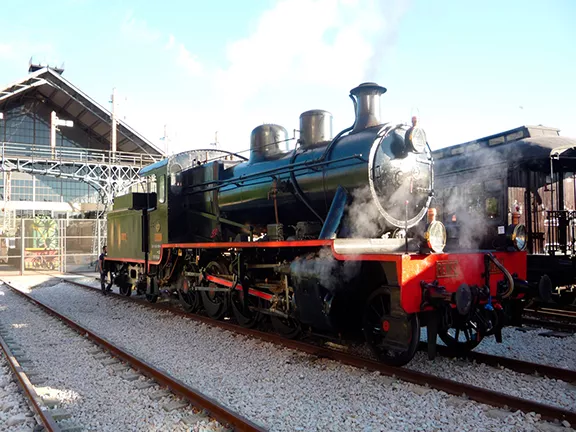
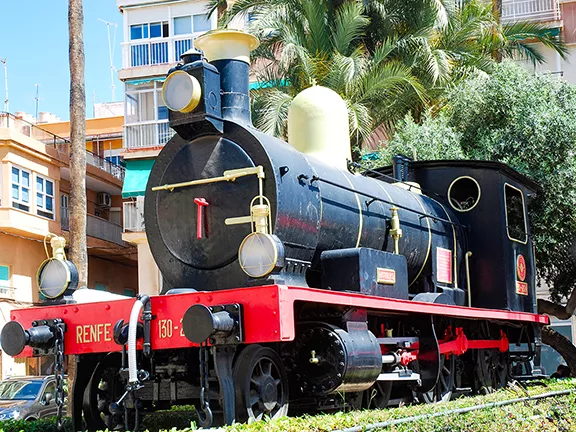
The existence of a remaining steam locomotive in Águilas and other preserved remnants provide a tangible link to the past, allowing visitors to walk or cycle a route that once carried the entire region’s economic prosperity. The railway’s journey—from a symbol of a foreign-led industrial boom to a cherished piece of local heritage—mirrors the changing economic landscape of the area itself, shifting its focus from heavy industry to tourism and cultural preservation.
The final chapter of the GSSR story, then, is not one of total loss, but one of rebirth and enduring legacy.
Enjoying This Article – FREE to read on Kindle Unlimited?