Contents
The Final Ascent: Serón to Baza (1894)
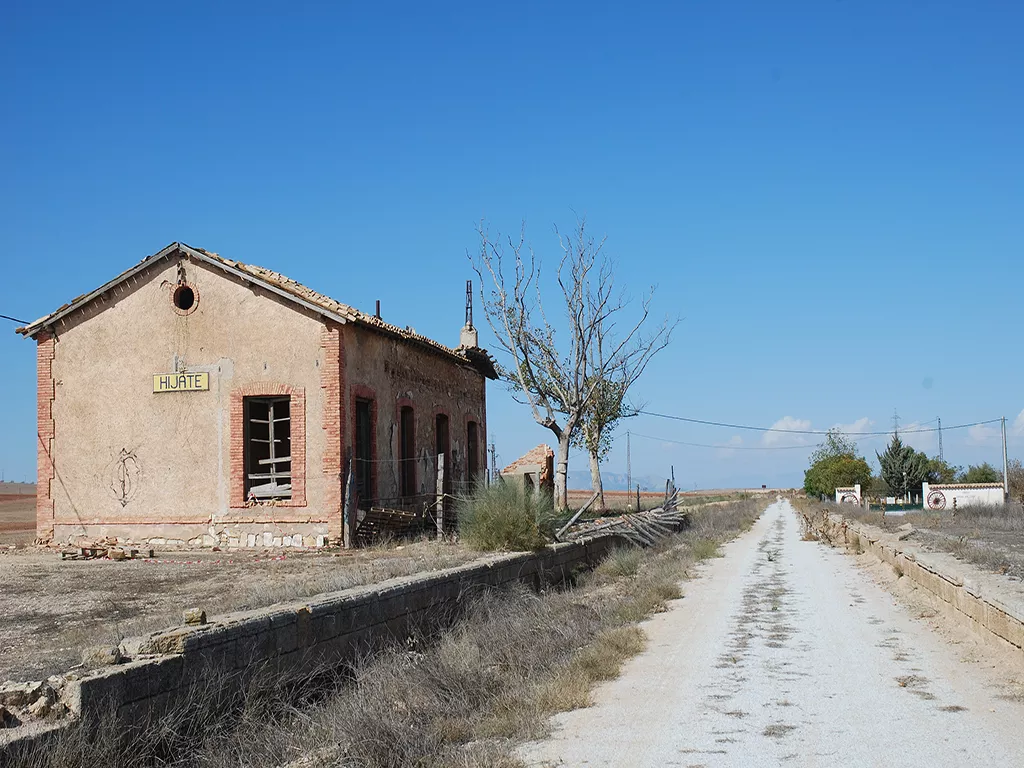
Topography: Crossing the Divide
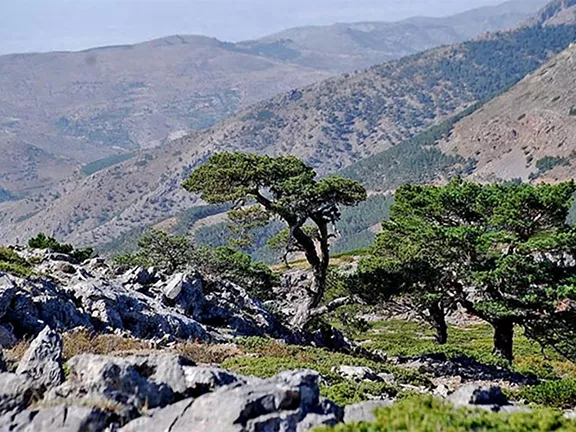
After crossing this summit at Hijate, the landscape changes dramatically, plunging into the Hoya de Baza, or Baza Depression. This is a vast, arid plain known for its distinctive badlands geology—a sharp contrast to the high mountain environment the train had just traversed.
The Age of Steam and the Triple Header
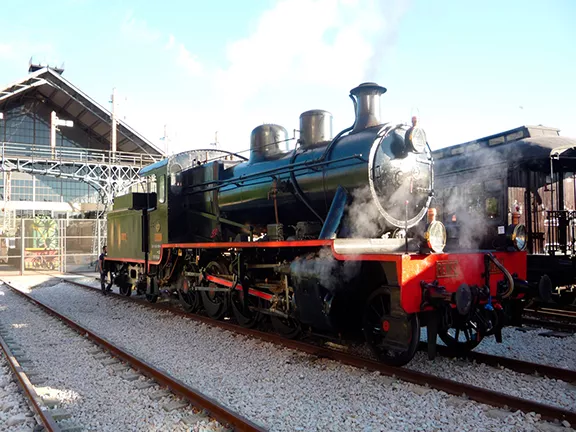
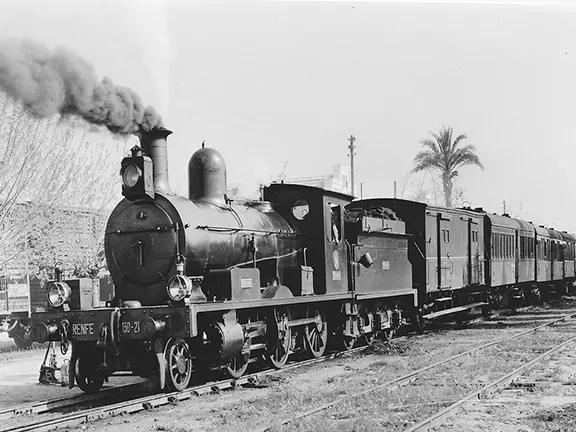
Due to the significant inclines on both sides—a 710-meter climb over 61 kilometres from Zurgena, and a 141-metre climb from Caniles—trains approaching the summit often required a "triple header," meaning three locomotives: two pulling at the front and one pushing at the rear. These triple-headers would stop at Hijate to uncouple two of the engines, which would then return to their respective stations. It must have been an incredible sight: three steam locomotives at full blast, hauling hundreds of tons of freight up the slopes of the Sierra.
The Pillars of the Local Economy
Esparto Grass and the Age of Literacy
The 19th century in Britain was dubbed the "Age of Literacy," creating a huge, insatiable demand for paper. When traditional rag sources ran low, paper mills turned to esparto grass, a tough, native Spanish plant already used for ropes, sandals, and baskets.
The most productive esparto growing areas were in Granada and Almería, but the transport to the coast by donkey and cart was slow and expensive. The arrival of the railway at Baza was a game-changer. Entrepreneurs like Robert Cheney Johnston, who had bought up large estates near Baza, waited decades for the rail line. By 1920, the GSSR was carrying over 31,000 tons of esparto grass annually to the port of Águilas, feeding the hungry paper mills of Europe.
Sugar and Gold
The station at Caniles, just before Baza, became an industrial centre in its own right, largely due to the massive Nuestra Señora de las Mercedes sugar factory. Built in 1901, its existence was fundamental to the local agrarian economy, processing up to 250 metric tons of sugar beet per day. The factory’s strategic location next to the railway—complete with a dedicated branch line—was essential for transporting the raw beet and exporting the refined sugar. Its emergence coincided with a national boom in homegrown sugar production following the loss of the cane-producing colony of Cuba in 1898. For decades, the factory was the acknowledged "economic engine of the area."
Caniles was also the site of a more localized industry: gold decanting. Fine, alluvial gold was found in the sands of the nearby from the nearby Monte de La Solana, where a plant was built to wash the gold-bearing sand. Though not a massive national industry, it adds a fascinating layer to the economic history of the valley, a tradition dating back to the Romans and Arabs.
The End of the GSSR Line: Baza Station
However, having completed 133 kilometres of mountainous track, the Great Southern of Spain Railway had run out of both steam and money. The company's original goal was Granada, but that dream was now beyond its means. The GSSR made a critical decision: it sold the concession for the final stretch—the route from Baza to Granada—to another company, the Granada Railway Company, which had been formed just one month prior.
For the Great Southern of Spain Railway, their line was complete. They had carved a path through one of Spain's most rugged regions, survived financial disaster, and delivered the mineral and agricultural wealth of the interior to the sea. The era of construction for the GSSR was over.
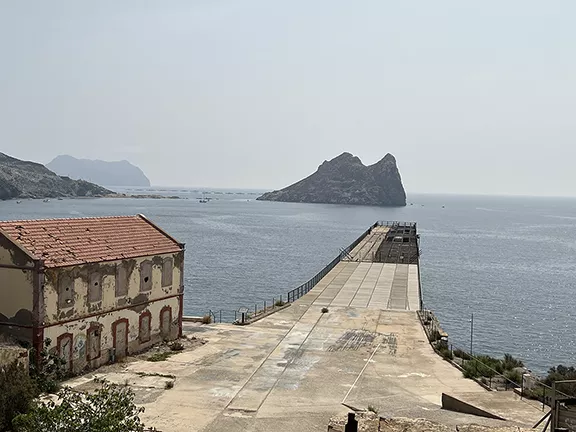
Before we look at the final, difficult push from Baza to Granada. we must look at the construction of the El Hornillo ore loading pier at Aguilas, without which the GSSR line would not have been viable.
Enjoying This Article – FREE to read on Kindle Unlimited?