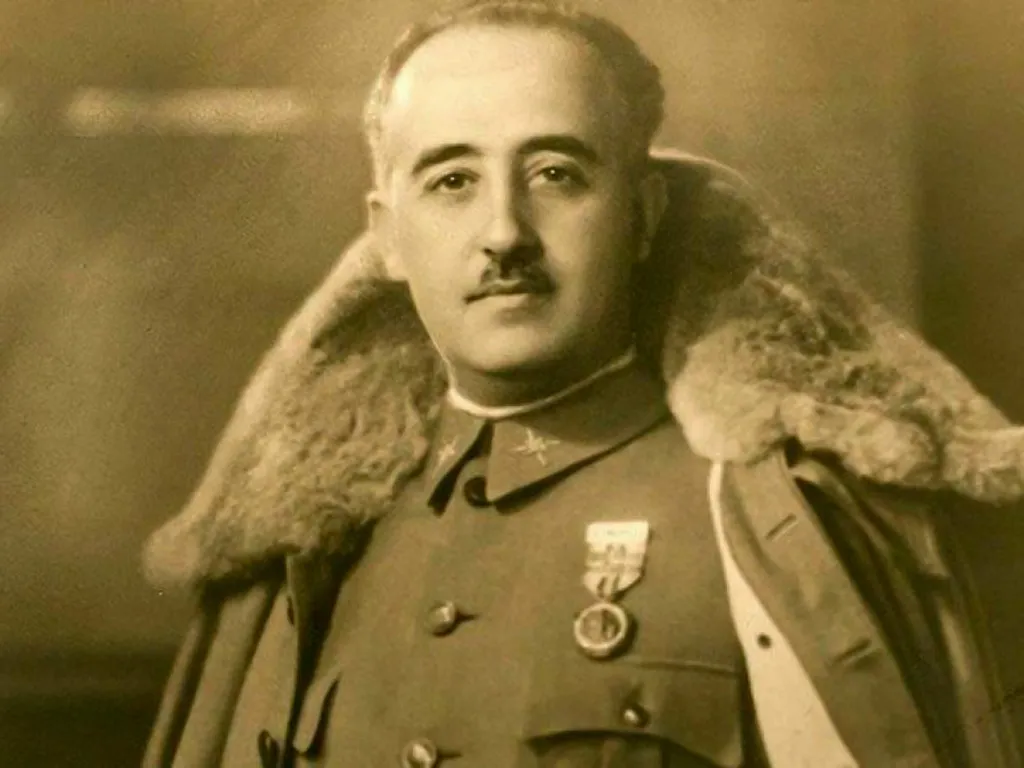
Newly revealed information from the National Archives at Kew and Archivo del Ministerio de Asuntos Exteriores, Madrid suggests British intelligence played a role in the events leading up to the Spanish Civil War. Documents indicate that Major Hugh Pollard, along with fellow intelligence officer Douglas Francis Jerrold, collaborated with Luis Antonio Bolin Bidwell, London correspondent for the right-wing Spanish newspaper ABC (who later became Franco's press advisor). Together, they reportedly arranged a flight path. A British De Havilland Dragon Rapide aircraft flew from Croydon to the Canary Islands, transporting General Francisco Franco to Tetuan in Spanish Morocco. Franco's arrival there coincided with Spanish African Army troops preparing to launch a military coup, sparking the Spanish Civil War.
Contents
A Turning Point in Anglo-Spanish relations
Economic Considerations
Strategic Considerations
Domestic Considerations
Public opinion in Britain was deeply divided, with both the Republican and Nationalist factions garnering support. The working class largely sympathized with the Republic, as evidenced by the over 4,000 Britons who unofficially volunteered for the International Brigades. Much of the secondary literature cites a figure of around 2,300 volunteers, however the recent release of MI5 records on British volunteers suggest figures closer to 4000. Recognizing this internal discord, the government in 1936 declared Britain's "absolute rigid neutrality" regarding the war.
However, over the following two years, the situation evolved. The looming threat of a global war and the perceived rise of Communism led the British government to gradually shift its stance, becoming more sympathetic towards the Nationalist cause.
Non-Intervention or Active Support?
Britain pressured France and the US to maintain non-intervention even when evidence pointed towards Germany, Italy, and the Soviet Union violating the pact. Without this pressure, France and the US might have allowed the Republic freer access to arms. While the impact on the war's outcome is debatable, it could have potentially delayed the Nationalist victory.
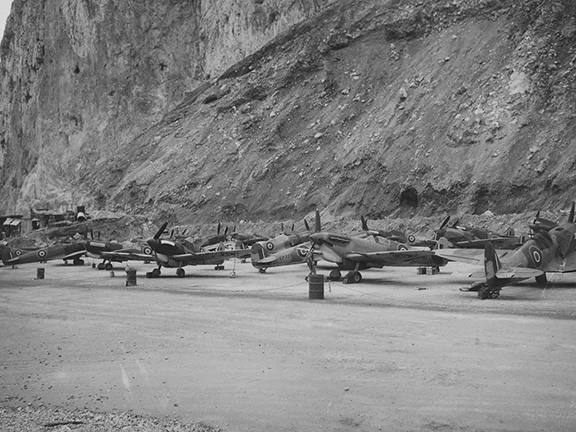
Several points suggest that Britain's actions went beyond mere non-intervention and constituted indirect support for the Nationalists. Firstly, the Royal Navy provided a ship to transport a Franco representative to Minorca for its surrender. Secondly, Britain unofficially embargoed arms sales to the Republic and denied them refuelling rights in Gibraltar.
Julio Alvarez del Vayo, the Republican Foreign Minister, claimed in his memoirs ("Freedom's Battle") that Britain even intervened in Spanish politics. He alleged British involvement in toppling the Juan Negrin government and installing one more inclined to surrender, ultimately facilitating Franco's capture of Madrid in 1939. However, the validity of this claim is questionable. Alvarez del Vayo's political leanings and the lack of supporting evidence raise doubts.
Finally, in 1938, the Non-Intervention Committee, led by Britain, called for an end to volunteers and the disbanding of the International Brigades fighting for the Republic. This action can be interpreted as an acknowledgement, or even an endorsement, of the eventual Nationalist victory.
Major Concerns of UK Government
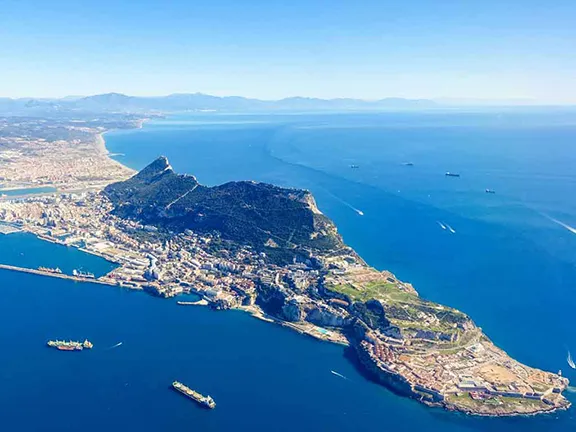
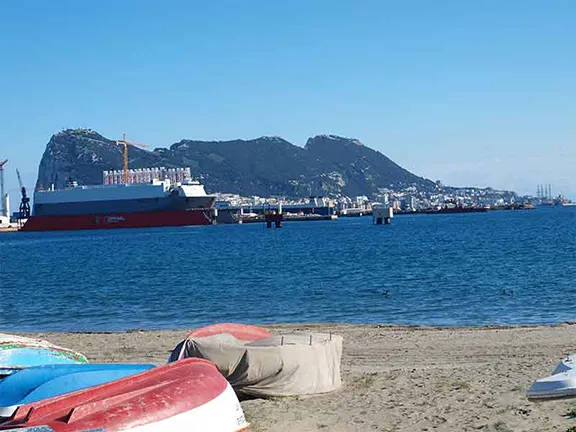
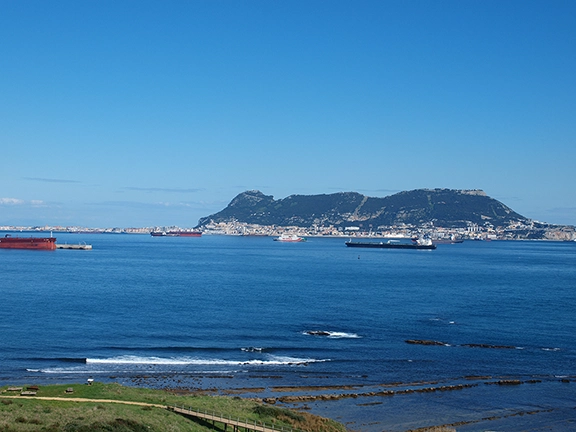
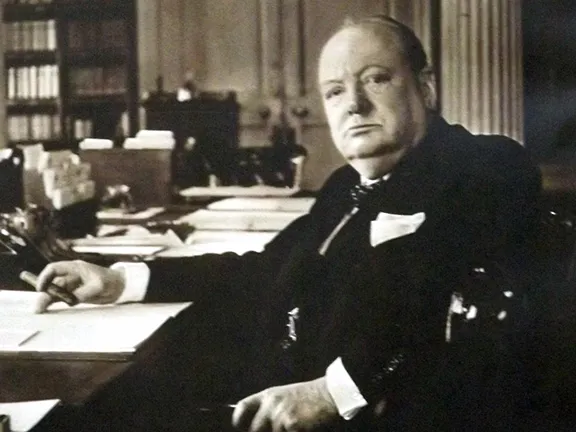
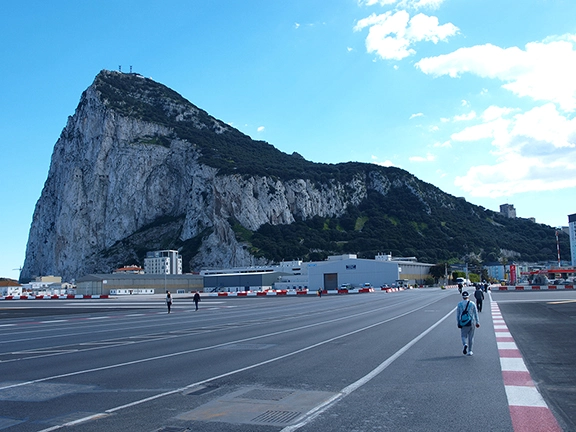
British anxieties intensified after the Anschluss and the Sudetenland crisis, highlighting the threat of a German-dominated Spain. The prospect of a "Germanised" Spain, as Churchill phrased it, menacing Gibraltar, a vital British possession, caused significant alarm.
However, the spectre of a communist Spain under a Republican government, potentially aligned with the Soviet Union, was a cause for even greater concern. Many in the British establishment believed a strong Nationalist regime, even if sympathetic to Germany, was preferable to a weak Republican one vulnerable to communist influence. A communist Spain, it was feared, could even invite German intervention.
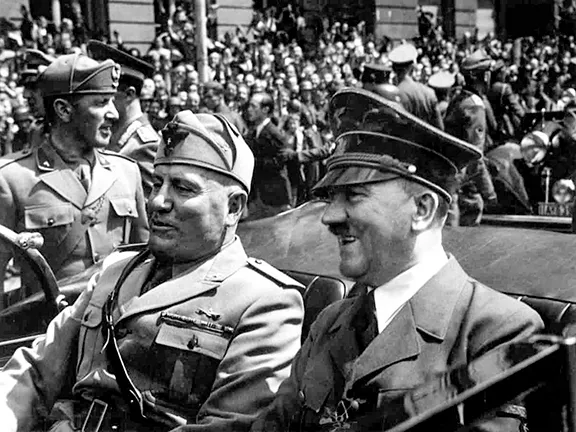
British officials expressed growing concern about Germany's influence on Spain as war loomed and a Nationalist victory became increasingly certain. They worried that Nazi Germany would exert undue control over a Franco-led Spain, potentially forcing or enticing the country to join the war on Germany's side. This scenario would be disastrous for Britain strategically.
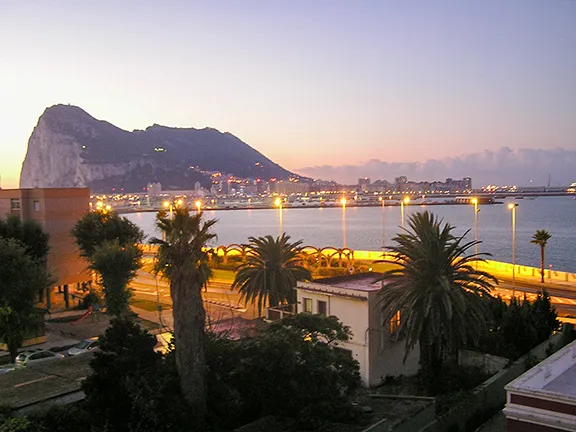
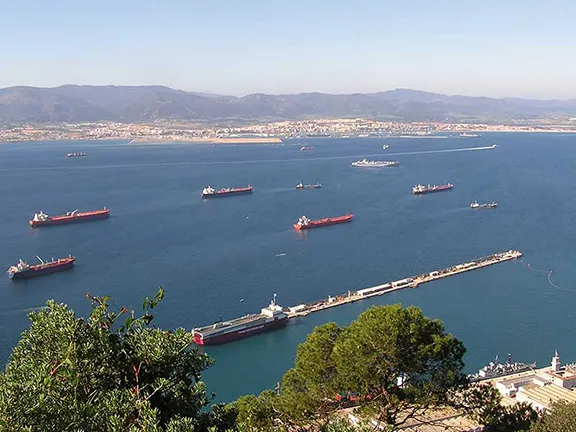
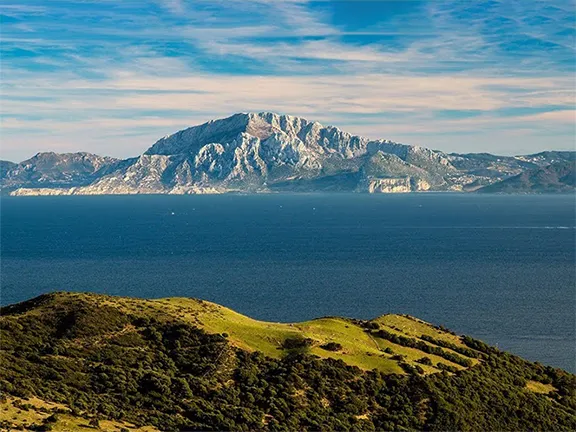
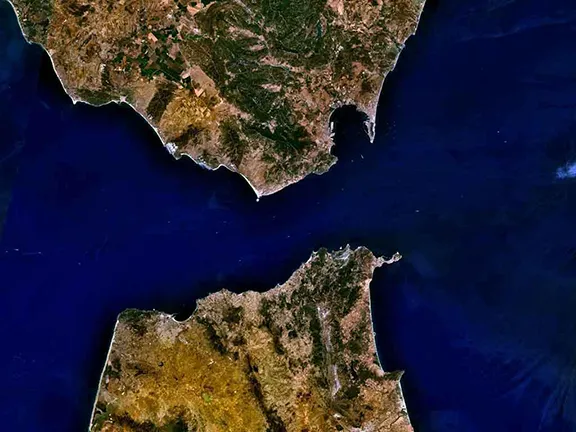
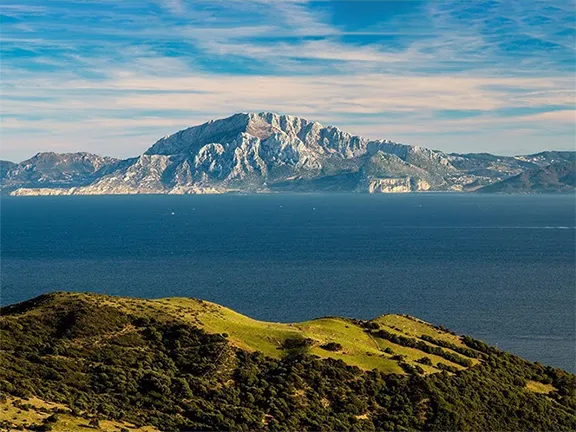
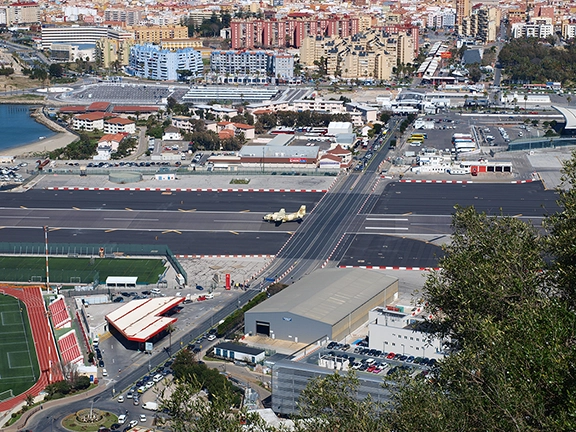
Spain's position as the gateway to the Mediterranean was crucial. A pro-German Spain could threaten British supply lines and open the door for an attack on Gibraltar. Additionally, the Canary Islands and Spanish Africa provided vital access to the eastern Atlantic and a direct link to Africa, a continent potentially significant in the coming conflict. Maintaining Spanish neutrality was paramount. A hostile Spain would make "control of the Straits and use of Gibraltar... extremely difficult," according to British assessments. Therefore, securing Spanish neutrality was vital in the event of war.
The March 1939 Hispano-German treaty, Spain's adherence to the Anti-Comintern Pact in April 1939, and its withdrawal from the League of Nations fuelled concerns in Britain about German influence in Spain and the possibility of Spain joining the Axis. However, Spain's public declaration of neutrality on September 4th, 1939, following Britain's declaration of war on Germany, temporarily eased these anxieties.
British policymakers nonetheless considered maintaining Spanish neutrality essential. The Spanish Civil War had exposed Spain's dependence on European powers. As British Ambassador Sir Maurice Peterson (1939-1940) observed, Spain's dire economic state left Franco reliant on external support. Historian Peter Wigg's observation that "weaker nations... must often bow to the dictates of stronger neighbours" resonated with British foreign policy thinking.
Aftermath of Spanish Civil War
The Best Guide to Gibraltar
Completely updated with new images, stories, and anecdotes, Exploring Gibraltar is like no other travelogue or guidebook.
Exploring Gibraltar: The Rock from Bottom to Top is for anybody interested in the history, attractions, and culture of Gibraltar.

FREE to read on Kindle Unlimited, available as an Ebook download and full colour paperback.
References
Cabinet Meeting 75, 15th Dec, 1936, CAB 23/86/19, TNA; Committee of Imperial Defence: Report by the Chiefs of Staff Sub-Committee 1259-B, 'Western Mediterranean: Situation arising from Spanish Civil War', August 1936, CAB 24/264/9, TNA; 'The Spanish Tragedy' Evening Standard, 10 Aug 1936
'The International Brigade Association and Friends of Republican Spain: list of persons who fought in Spain, 1936-1939', The Security Service: Organisation Files (KV) 5/112, TNA.
Larrazabal, Jesus Salas. La intervencion extranjera en la guerra de Espana (Madrid: Editoria Nacional, 1974).
Alexander, Marc. Gibraltar: Conquered by no Enemy. Gloucestershire: The History Press, 2008.
Alvarez del Vayo, Julio, trans. Freedom's Battle. New York: Hill & Wang, 1971.
Churchill, Winston. Step by Step: Political Writings: 1936-1939. London: Bloomsbury Academic, 2015.
Churchill, Winston. The Second World War, Vol I: The Gathering Storm. Boston: Houghton Mifflin Company, 1948.
Duff, Charles. A Key to Victory: Spain. London: Victor Gollancz, 1940.
Hamilton, Thomas J. Appeasement's Child: The Franco Regime. London: Victor Gollancz Ltd, 1943.
Hugh, Thomas. The Spanish Civil War. Revising and enlarged edition. New York: Harper & Row, 1977.
Keith Jeffery, MI6: The History of the Secret Intelligence Service, 1909-1949 (London: Bloomsbury Publishing Plc, 2010), 285.
Peterson, Maurice. Both Sides of the Curtain. London: Constable, 1950.
Preston, Paul. The Spanish Civil War. Paperback edition. London: Butler & Tanner Ltd, 1990.