Operation Falaise - an Operation to Destroy a Nazi Spy Nest in Tangier
By Nick Nutter |
Published: 2024-03-27 |
Updated: 2025-05-19
Visited 4,374 times
In 1941, German agents built a spy nest in Tangier to detect allied shipping in the Gibraltar Straits. Operation Falaise was planned to destroy the observation point.
Contents
Cracking the German Code
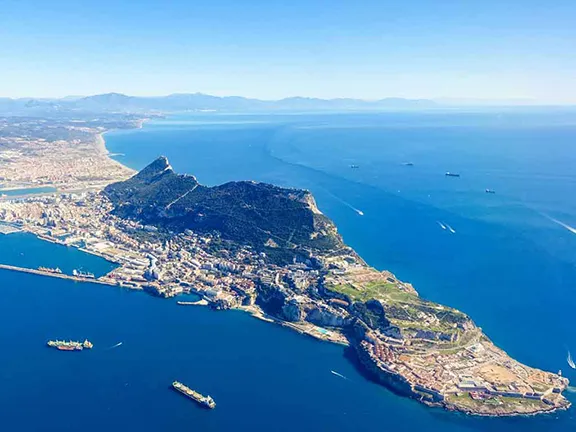
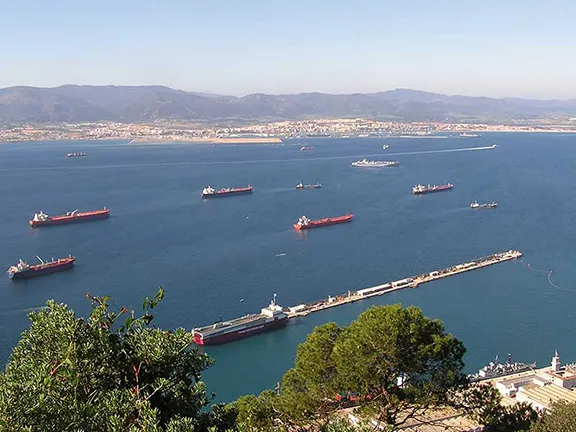
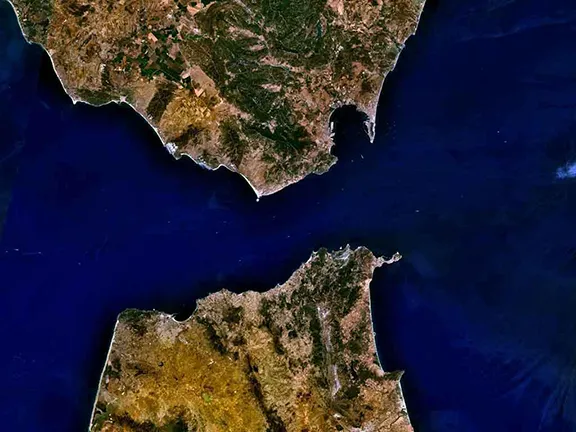
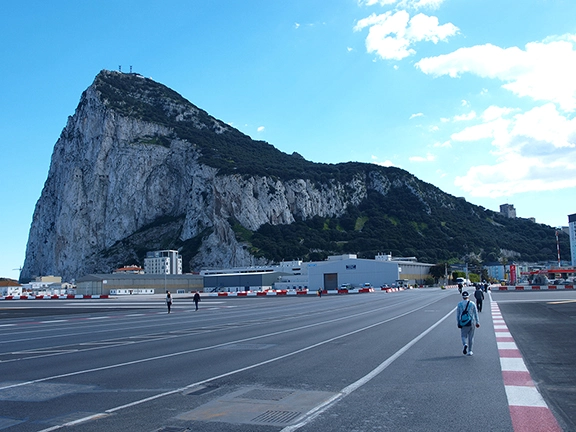
Gibraltar Strait
In 1941, Britain's Radio Security Service (RSS), established by MI5 head Vernon Kell at war's outbreak, intercepted coded messages from the Abwehr, German military intelligence. Though Enigma-encrypted, British codebreakers at GCHQ cracked the code. The raw intelligence went back to RSS for analysis before distribution to geographically relevant SOE stations. Richard Brooman-White (later a Conservative MP) and his assistants, Kim Philby and Tim Milne, handled Iberian materials. They noticed signals referencing a technical operation named "BODDEN" planned for the Iberian sector. The stations in Madrid, Gibraltar, and Tangier were alerted. Soon, reports emerged from Gibraltar about German purchases of beachfront properties via known intermediaries. Tangier reported receiving technical equipment, and a German diplomat, Curt Reiss, inadvertently mentioned plans for a new radio station on the North African coast.
Operation BODDEN
These reports convinced Dr. Jones of SIS Section IV (scientific research) that the Germans were developing infrared searchlights or detectors, potentially compromising Allied shipping in the Gibraltar Straits. Operation TORCH, the planned North African invasion, relied on ships passing unnoticed through the Straits at night. The Admiralty favoured nighttime passage for most naval traffic, including troop ships, to deceive German coast watchers.
Locating the Nazi Spy Nest
RAF reconnaissance flights along both sides of the Straits pinpointed potential German installation sites. Tangier emerged as the most likely location.
Political Problem of Tangier
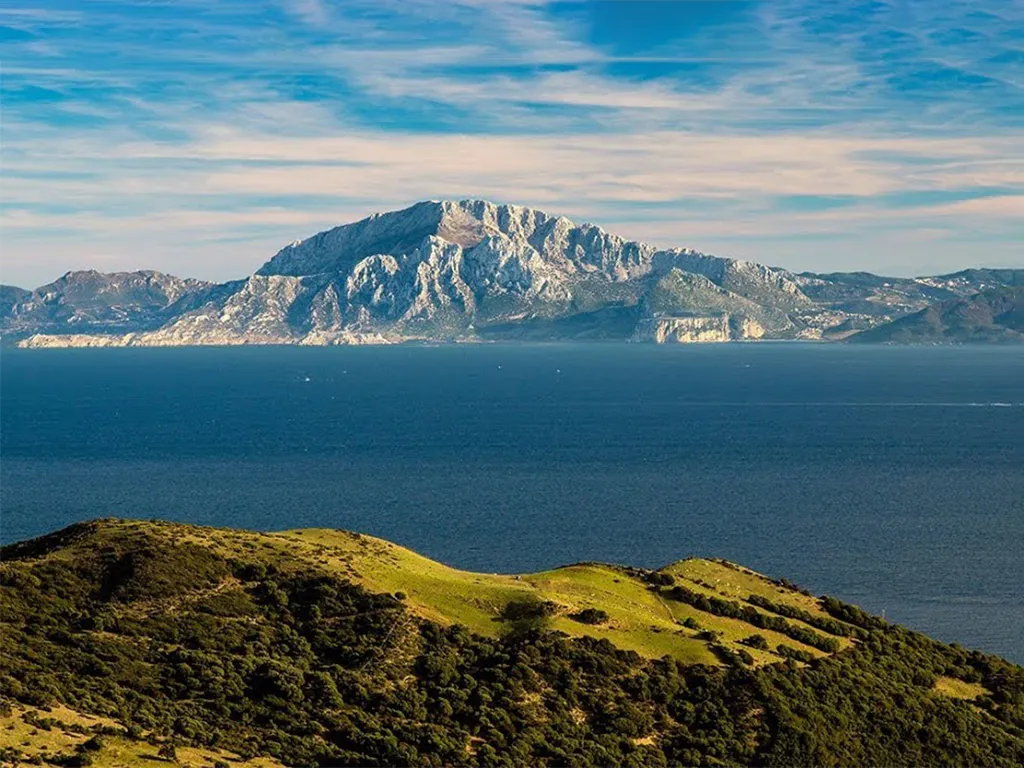
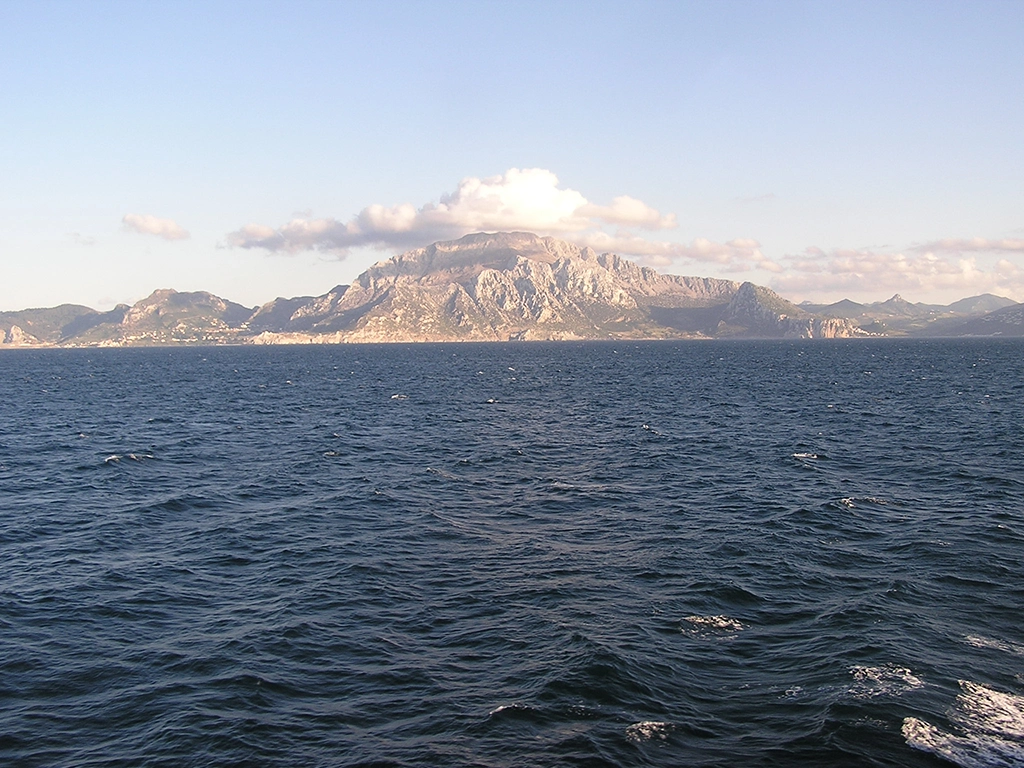
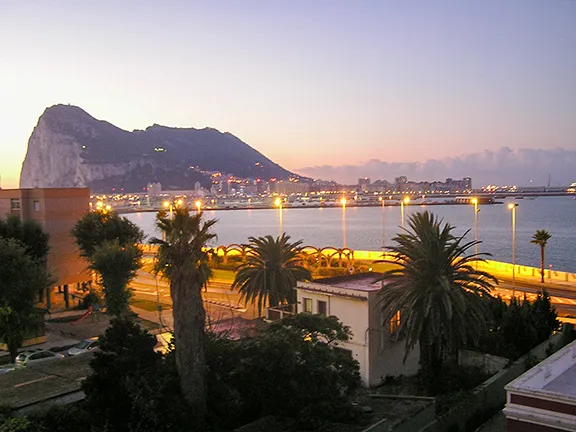
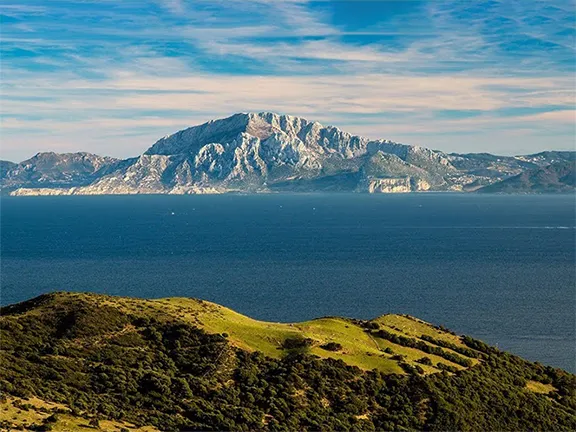
Tangier from the Strait
Taking action was difficult. Spain was neutral, and Tangier had been taken over by Spain. (On June 14, 1940, following Italy's declaration of war and the German invasion of France, Spain seized the opportunity. Amidst the collapse of the French Third Republic, 4,000 Moroccan soldiers occupied the Tangier International Zone unopposed. Tangier reverted to its International Zone status after the war.)
The Admiralty favoured shelling the installations, but the Foreign Office feared this would push Franco towards the Axis. British Ambassador to Spain, Sir Samuel Hoare, also vehemently opposed military action.
The Plan to Destroy the Spy Nest
The SIS station in Tangier, led by Toby Ellis with Malcolm Henderson and Neil Whitelaw's assistance, was tasked with observing, identifying the site, and devising a plan for its destruction without revealing Allied involvement.
The site was identified as a clifftop villa at 4, Rue de la Falaise, Tangier. German intelligence had purchased it and built an observation platform. The agents reported lax security and a cliff path below the villa. They proposed a plan to destroy the foundations, causing the villa to fall into the sea.
SIS presented the plan to the Foreign Office. Again, Sir Samuel Hoare objected, but preparations were allowed to proceed.
Operation Relator
In April 1941, the Special Operations Executive (SOE) had sent a team of nineteen officers and seven sergeants, all highly trained in guerrilla warfare, sabotage, explosives, firearms, survival training and the use of radios in the field, to Gibraltar. Their task was to delay and obstruct the enemy advance if Germany decided to invade Spain as a prelude to the capture of Gibraltar. The operation was called Relator. The Relator team were based at the Villa Lourdes on Gibraltar and were sat on 10,000 lbs of gelignite and 700 lbs of plastic explosive, not to mention assorted weaponry, and were becoming increasingly bored with inaction.
Building the Bomb
Meanwhile, on Gibraltar, the bored SOE Relator team awaited action. Edward Wharton-Tigar, their sole Tangier representative, was attached to the Consulate-General as a cipher clerk.
The Relator team in Gibraltar built a 36-pound plastic explosive bomb and delivered it to Wharton-Tigar via diplomatic channels. He awaited the order to execute Operation Falaise.
Finally, on January 9, 1942, Sir Samuel Hoare reluctantly approved the mission.
Planting the Bomb
On the night of January 10, 1942, two SOE agents recruited by Wharton-Tigar - a Spanish communist and a Jewish bartender - planted the explosives under the villa's pillars. They escaped down the cliff path moments before a massive explosion. The villa collapsed into the sea, killing eight people, including a Greek sailor and his wife.
Second Thoughts
Sir Samuel Hoare - second thoughts
The next morning, the Consulate General received an urgent message from Sir Samuel Hoare cancelling the operation - he had second thoughts.
Aftermath of Falaise
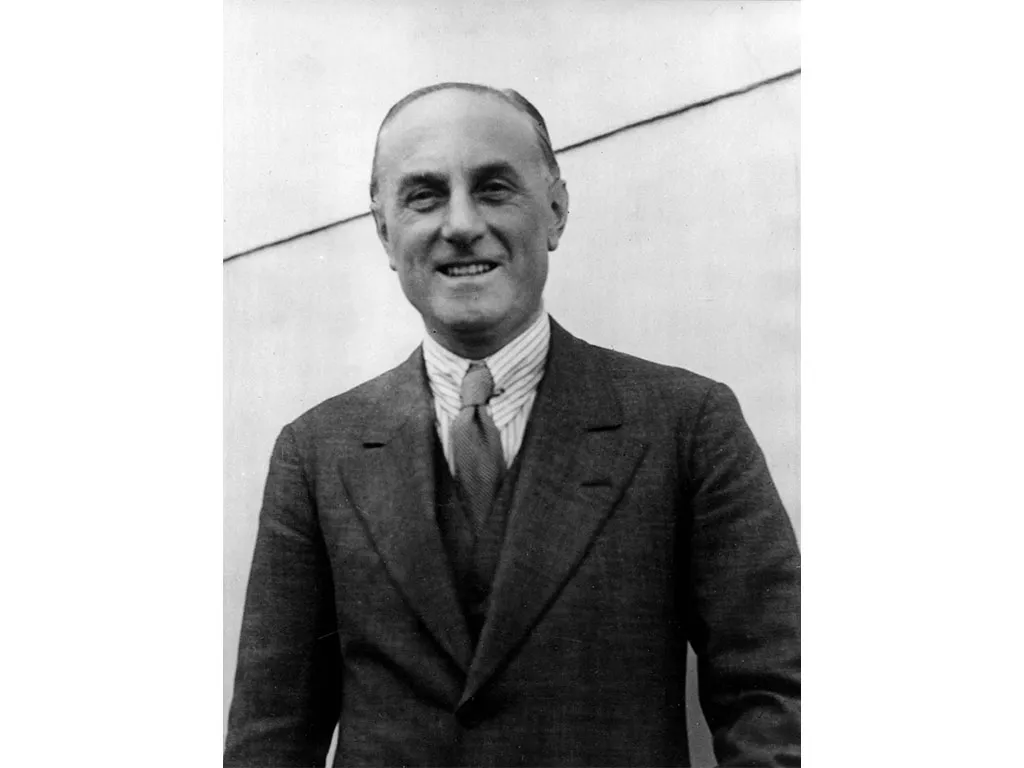
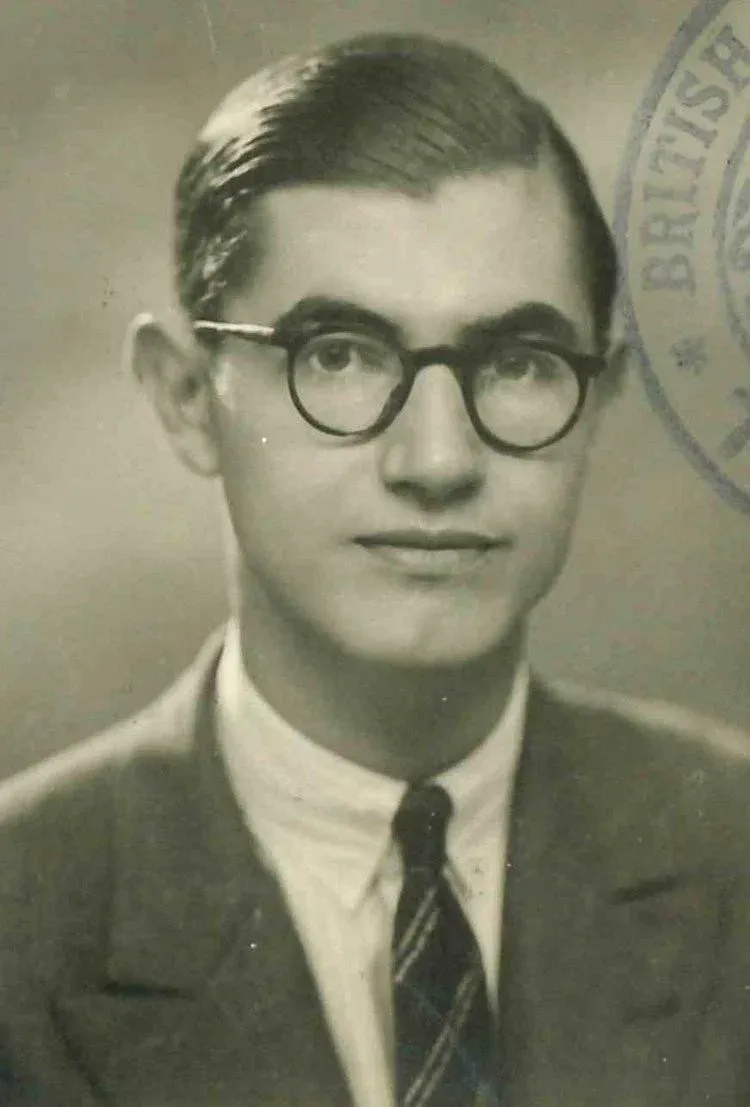
Edward Wharton-Tigar
Wharton-Tigar was awarded an MBE and transferred to SOE headquarters in China.
The destroyed villa was described by a Spanish newspaper as a "Nazi spy post."
To avoid embarrassment, the Germans dismantled their equipment on both sides of the Gibraltar Straits.
The Best Guide to Gibraltar
First published in 2016, The Rock from Bottom to Top was due for an overhaul. We are pleased to publish a second edition on the 320th anniversary of Britain's capture of Gibraltar in 1704.
Completely updated with new images, stories, and anecdotes, Exploring Gibraltar is like no other travelogue or guidebook.
Exploring Gibraltar: The Rock from Bottom to Top is for anybody interested in the history, attractions, and culture of Gibraltar.
FREE to read on Kindle Unlimited, available as an Ebook download and full colour paperback.
Location Map
Enjoying this clean, uncluttered read?
You are currently browsing the result of a massive technical overhaul. My new book, Legacy Reloaded: A dev, an AI, and the relentless pursuit of 100, chronicles the journey of transforming an aging legacy website into a modern, lightning-fast platform that hits the perfect 90+, 100, 100, 100, 3/3 Lighthouse metrics. It’s a story of collaboration between developer and AI, and the stubborn pursuit of technical perfection.