Contents
Background to Ursa Major
Preparing the Ground
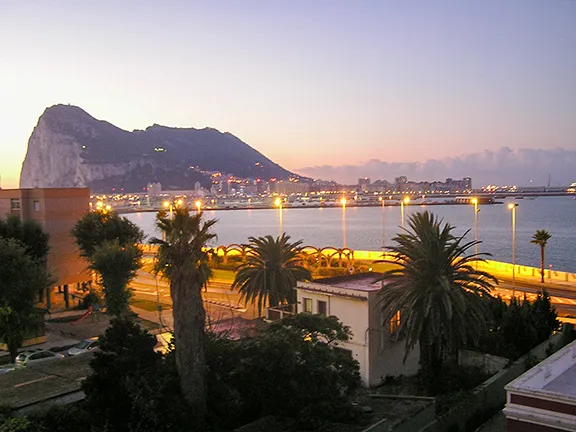
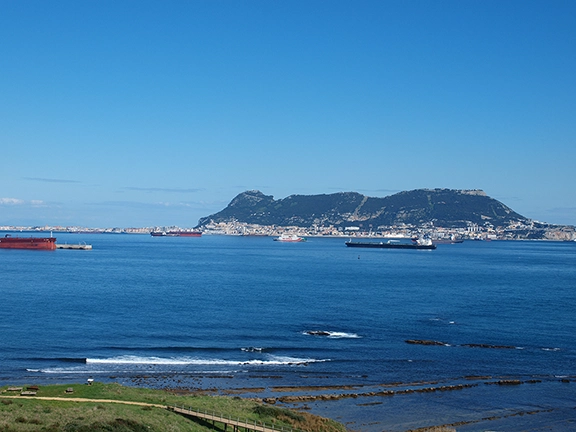
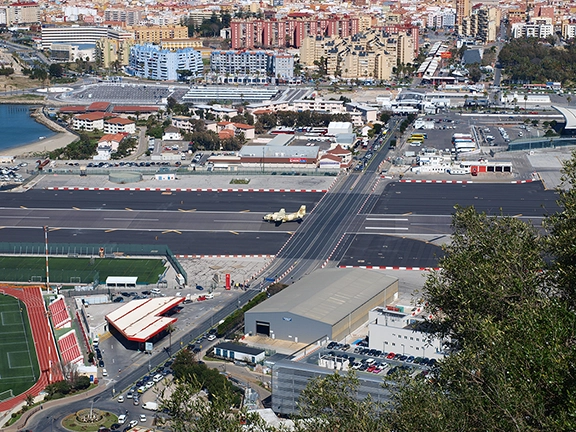
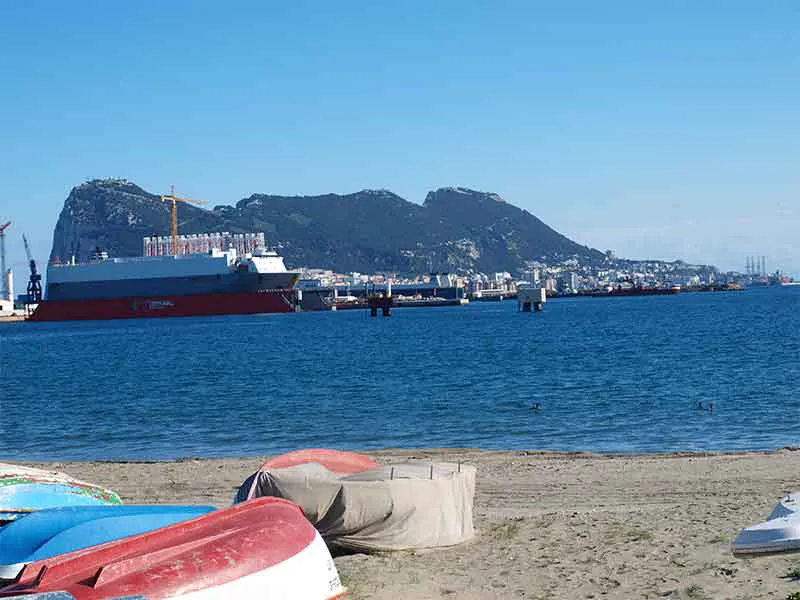
Meanwhile, Antonio Ramognino, a member of the Decima Flottiglia MAS and married to a Spanish woman named Conchita, rented Villa Carmela. The villa was situated on a small hill alongside the Arroyo Cachon at Puente Mayorga, overlooking Gibraltar Bay and the western side of Gibraltar. Interestingly, the villa's owner, a Gibraltarian named J.L.B. Medina, had been evacuated to Madeira and the rental was arranged through a Spanish estate agent. As soon as they moved in, Ramognino and Conchita began renovations on the villa. These renovations included a new window specifically installed with a telescope and binoculars, to spy on activities in Gibraltar Bay, and additional sleeping arrangements for potential guests.
How the Olterra ended up in Algeciras
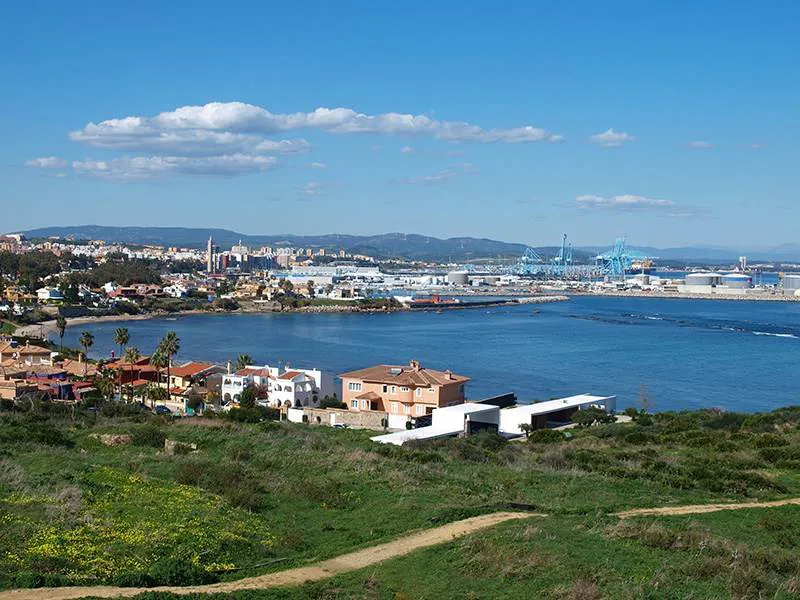
When Italy declared war on Britain in 1940, the Olterra was caught in Gibraltar Bay. According to some accounts, British commandos sank the ship near Algeciras.
Another story suggests a different fate. The Italian crew may have scuttled the Olterra themselves. In 1942, an Italian commando team disguised as civilians, led by Lieutenant Visintini, last heard of in September 1941 when he led the maiale that sank the Denby Dale, supposedly raised the sunken ship. Using the cover story of repairs and a sale to a Spanish buyer, they towed the Olterra to Algeciras harbour. The Spanish then secured the ship inside the breakwater with a small guard detail.
Remarkably, some of the Olterra's original crew, including Paola Denegri the chief engineer, even returned on board in March 1941, supposedly for maintenance. The Olterra found herself moored almost directly beneath the windows of the British Consulate in Algeciras.
The Spanish guarded Olterra, letting only authorized crew on board. Since 1941, the crew consisted of a rag tag bunch of Italian sailors from other interned ships. The captain, Domenico Amoretti, even married a local girl and lived ashore at Villa Victoria, Secano, near Algeciras.
Crewing the Olterra
Using fake names, identity cards and seamen's logbooks, they boarded Olterra in Spain, supposedly for repairs. Secretly, they converted the ship. They created a lookout post, workshops to assemble and maintain the human torpedoes, and even a tank in the forecastle to test them.
Preparing the Olterra for Action
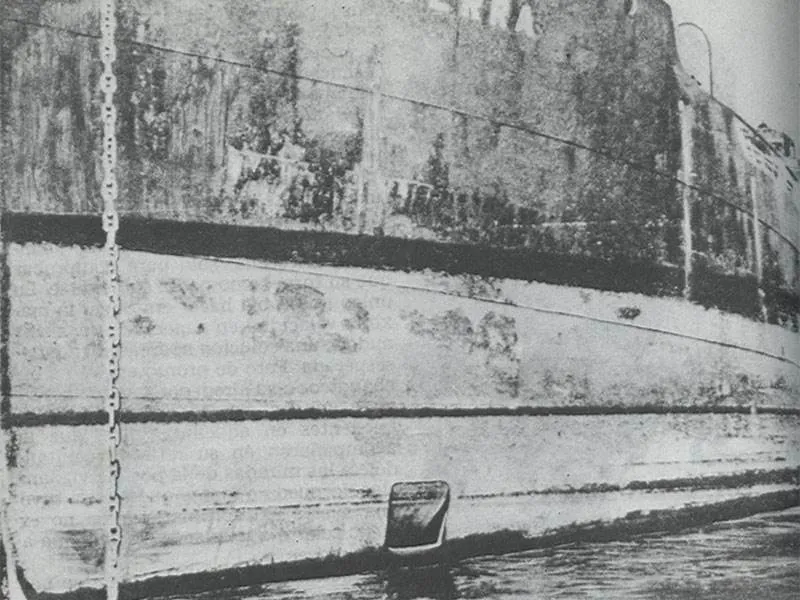
In a stroke of brilliance, they decided to tilt the Olterra on its side by filling ballast tanks. This created a convenient cover story. With a giant canvas awning draped over the exposed hull, activity on the supposedly routine maintenance went unnoticed, even by watchful eyes from the nearby British Consulate.
The hammering and scraping to remove barnacles from the exposed hull provided the perfect white noise. Meanwhile, hidden beneath the canvas, a team worked around the clock. Using an oxyacetylene torch, they sliced a four-foot square out of the submerged hull, creating an underwater doorway. By the time the ship righted itself, a secret hatch, two metres below the surface and leading to an internal water pool, awaited the maiales and their crews. Now, they had a clandestine path to slip in and out of the Olterra, unseen by any surface observer.
The Italians on the Olterra were masters of disguise. Their daily routines fooled everyone, including the watchful eyes of the British. Regular watches, deliveries from shore, it all looked like a normal cargo ship in operation. But beneath the surface, a secret project was taking shape.
Knowing the importance of morale, the Visintini made sure to keep the crew happy. Their cook, a skilled chef prepared gourmet meals to pander to the Italian crew's love of good food. This tactic extended to the Spanish guards as well. They were treated to lavish Italian feasts with plenty of wine, keeping them well-fed and distracted from the real goings-on aboard the ship.
Meanwhile, at La Spezia, headquarters of Decima Flottiglia MAS in Italy, the key pieces for the Italians' secret plan were being prepared. The maiales were dismantled and the parts were packed in crates. These crates looked like they held ordinary spare parts, just another shipment for a working vessel. Even more ingenious, the Italians hid breathing equipment within oil drums, topping them up with real oil to deceive any curious Spanish customs officer. The crates and oil drums were transported to Algeciras by sea and carried aboard the Olterra with no one being any the wiser.
Finally, on June 27th, 1942, Captain Visintini himself arrived undercover. Using an alias and posing as a new first officer, he officially 'joined the ship' and prepared to oversee the covert mission aboard the seemingly ordinary Olterra. He brought with him three technicians and a medical officer, Elvio Moscatelli who was to prove an adept and resourceful scout.
Ursa Major Observations
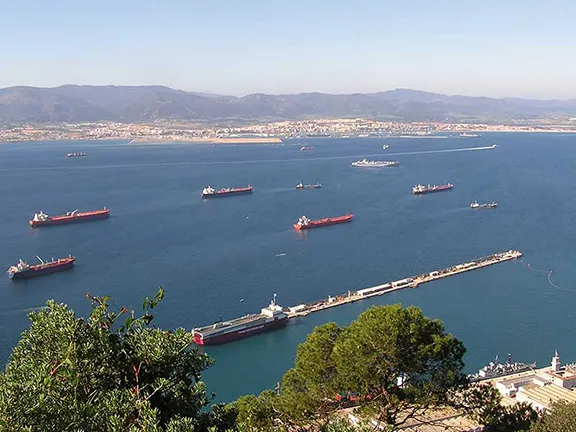
Meanwhile, aboard the Olterra, watchful observers kept a constant eye on the activity in Gibraltar harbour through a porthole in the observation cabin. They also noticed a powerful pair of binoculars mounted on a tripod on the balcony of the British Consulate. One night, a daring group crept into the consulate, scaled the wall, climbed to the balcony, and stole the binoculars for the observers on the Olterra, giving them sixty-four times view of the harbour.
Inserting the Operational Teams
From Cadiz, they travelled the short distance to Algeciras by road where, disguised as ordinary sailors and dockworkers, they boarded the Olterra in twos, blending in with the crew. Their days were spent lounging around the upper deck, a perfect picture of leisure for a group of Italian merchant seamen. But appearances were deceiving. In reality, these men were on a reconnaissance mission. Every detail mattered: the layout of the harbour at Gibraltar, the comings and goings of patrol boats, the procedure for entering and leaving the harbour, even the schedule of depth charges meant to deter underwater attacks. They were meticulously logging everything.
Within a few days the frogmen would be in action as Operation Ursa Major moved into its final phase, attacks on Allied shipping in Gibraltar harbour and bay.
The Best Guide to Gibraltar
Completely updated with new images, stories, and anecdotes, Exploring Gibraltar is like no other travelogue or guidebook.
Exploring Gibraltar: The Rock from Bottom to Top is for anybody interested in the history, attractions, and culture of Gibraltar.

FREE to read on Kindle Unlimited, available as an Ebook download and full colour paperback.