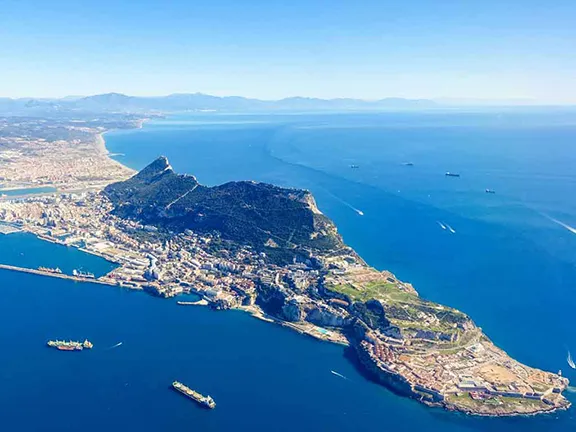
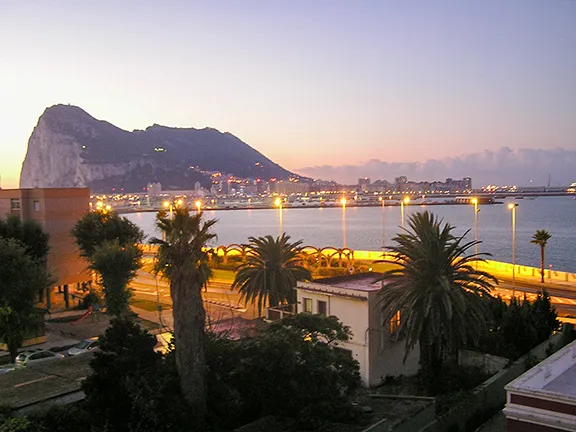
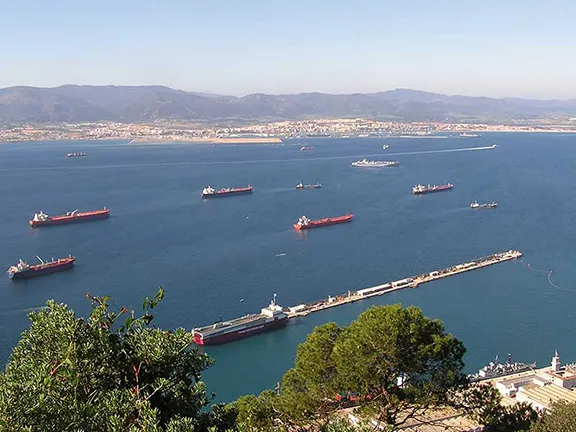
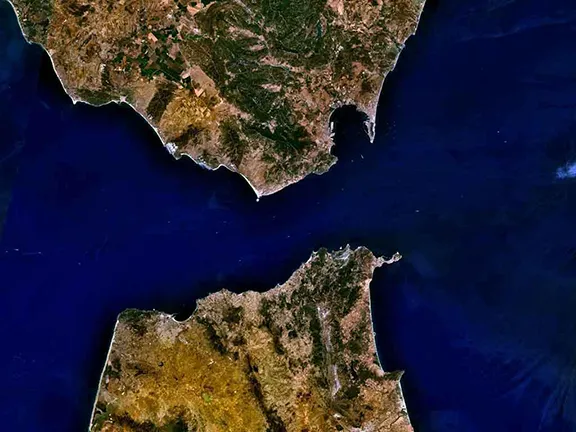
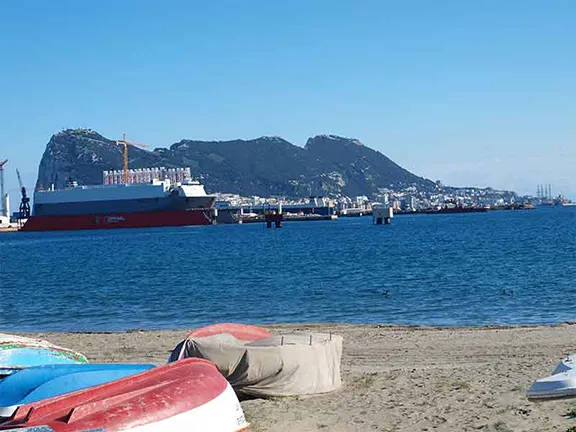
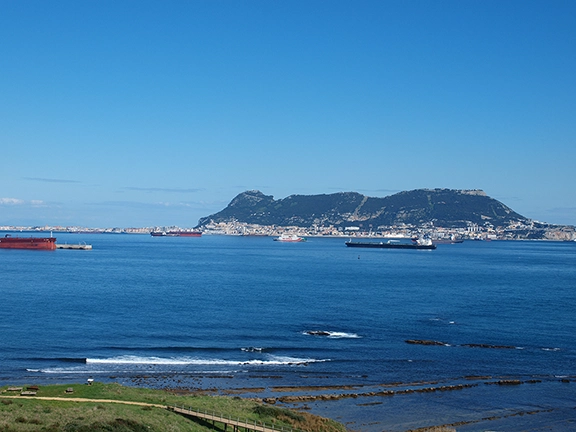
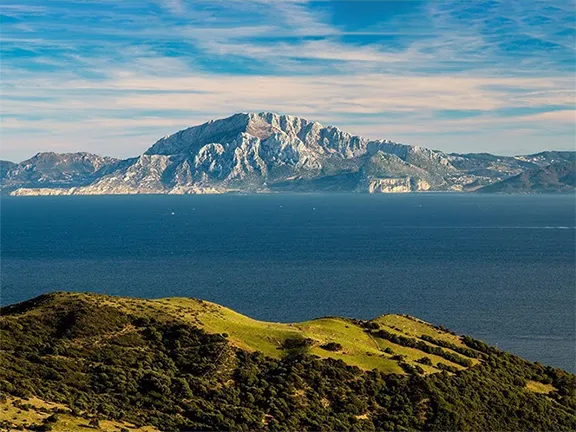
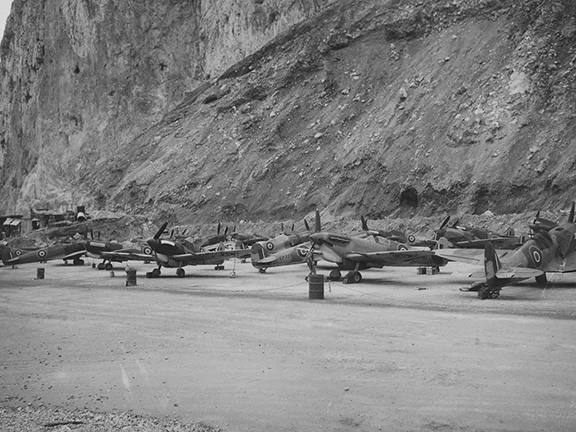
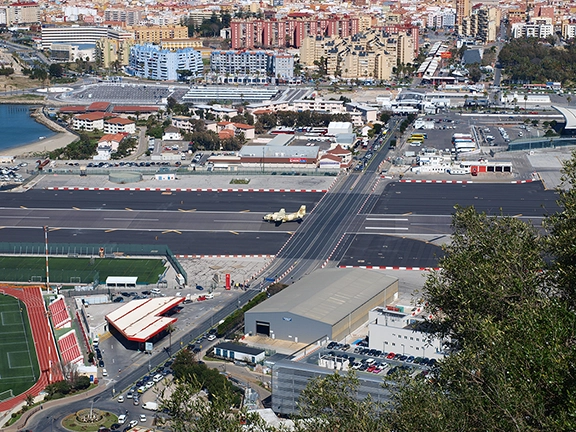
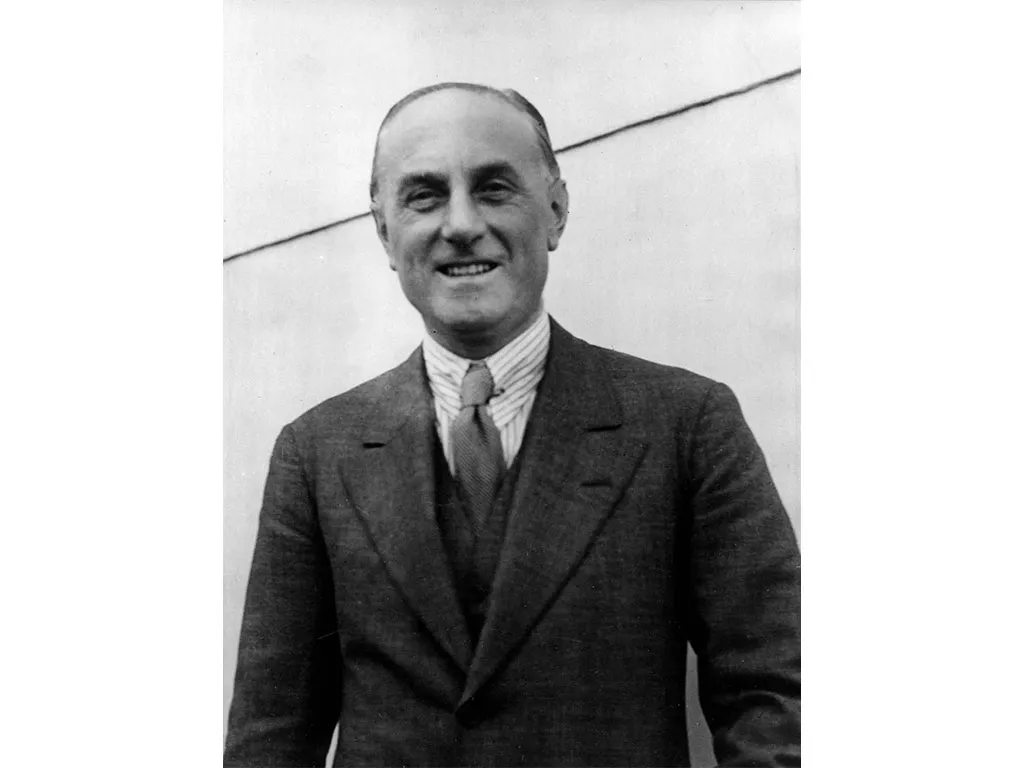
One such recruit was Hugh Quennel. Though a second lieutenant in the Welsh Guards, his background in law made him a prime candidate. On a cold December day in 1940, Quennel's life took an extraordinary turn. He shed his military uniform and donned the invisible cloak of a spymaster. His mission: to run the whole of the SOE Iberian section, a region encompassing Portugal, Spain, and the vast expanse of northwest Africa. The weight of responsibility settled on his shoulders, but Quennel, with his legal background and newfound purpose, was ready to answer the call.
Contents
Hugh Quennel - solicitor to spymaster
The year was 1940, autumn's chill settling over Britain. The war raged on, and Frank Nelson, a former politician, found himself leading the Special Operations Executive, a clandestine organization desperately fighting from the shadows. But SOE was woefully understaffed. In a bold move, Nelson looked beyond the military and into the heart of London's financial district. He recruited a group of sharp minds from the prestigious law firm Slaughter and May, their experience honed in the fires of commercial law.
The Role of SO2
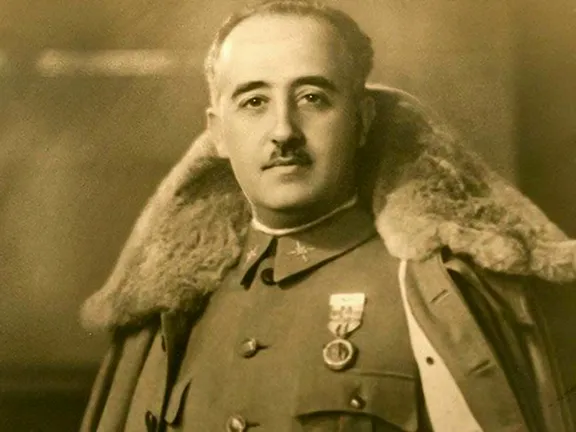
The weight of responsibility settled heavily on Quennel's shoulders as he departed for Madrid. He carried with him the question of SOE's purpose in Spain - a question that had become even more pressing with the pro-active branch, SO2, eager to act. Sir Samuel Hoare, the British ambassador in Madrid, loomed as a significant obstacle. Hoare, caught in the precarious tightrope walk of maintaining neutrality with Franco, had adamantly refused any British operations in Spain. Quennel knew he had a delicate task ahead of him - convincing Hoare to loosen his grip, while still adhering to the ambassador's cautious diplomacy. The fate of SOE's involvement in Spain hung in the balance.
Operation Relator is Born
In a clandestine rendezvous in Madrid, Captain Alan Hillgarth, the Naval Attache, played a pivotal role. He skilfully steered the meeting, a critical turning point in the fight against potential German aggression. Following the discussions, Hillgarth along with Quennel returned to London. They now had to convince the War Cabinet of a pressing need: The necessity to deploy special forces directly into the field to hinder any German advances on Gibraltar. This persuasive strategy gave birth to Operation Relator, a covert initiative aimed at thwarting any German attempt to exploit Spain as a passageway between occupied France and the Rock
The Villa Lourdes
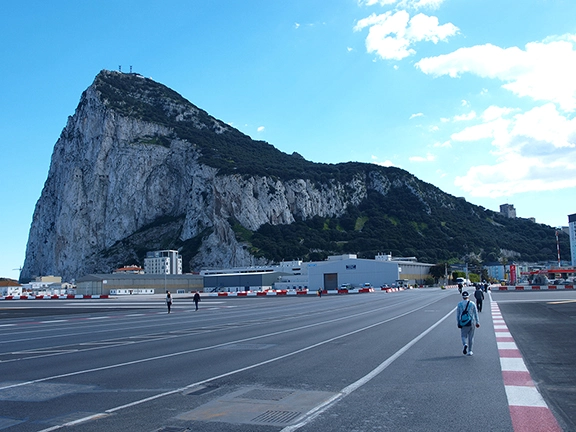
An icy wind whipped off the Rock of Gibraltar in February 1941 as Hugh Quennel disembarked, a covert mission simmering beneath the surface. With tacit approval, a knowing glance and a whispered word, Quennel, acting on behalf of the Special Operations Executive (SOE), set about securing a base for his operations.
He found an admirably suitable headquarters, Villa Lourdes, with space enough for ten thousand pounds of gelignite and seven hundred pounds of plastic explosives. Enough to choke a battlefield, enough to fuel a resistance.
Should the Nazis cast their eyes on Spain or Morocco, these explosives would find their way into the hands of those who dared to fight back, the French Resistance, the Spanish guerrillas, or their brethren in Morocco.
Villa Lourdes was ready to play its part in the shadows of a looming conflict.
Training the Agents
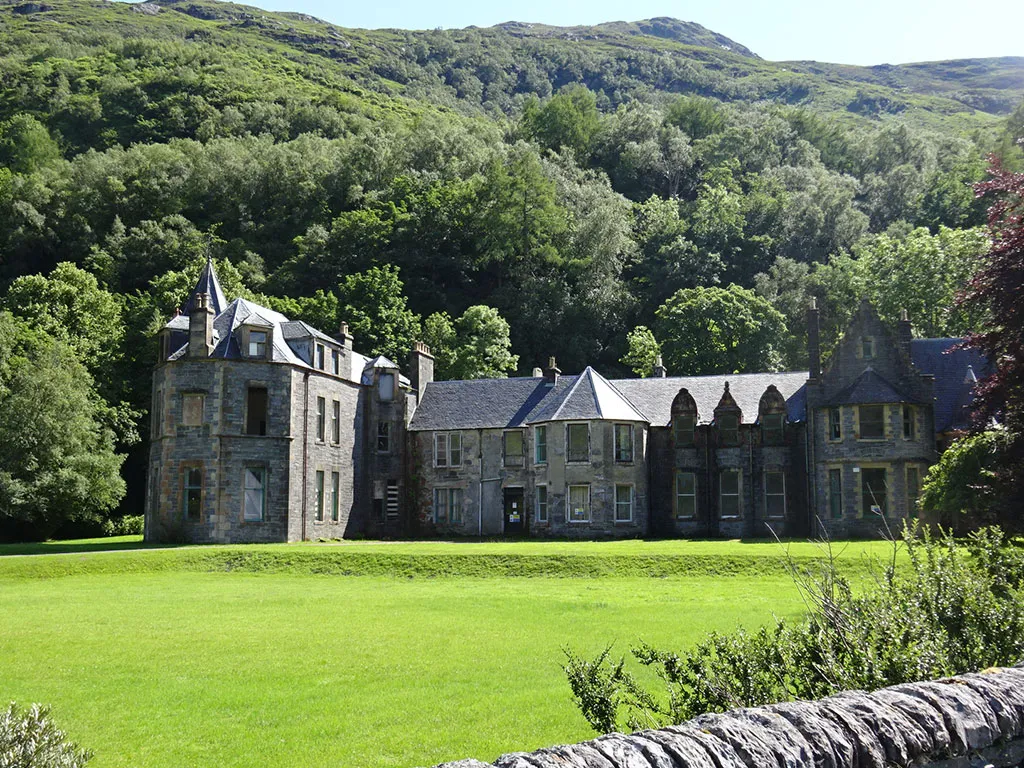
In March of 1941, Captain Hugh Quennel found himself back in Britain. He settled near Inverailort Castle in Scotland, a training ground for covert operatives. The castle buzzed with activity as nineteen officers from different regiments, all with experience in Iberia, reported for duty. These men, along with a group of radio specialists, were to become Team Relator, a group dedicated to clandestine operations in Spain.
Austin Baillon, John Burton, Arthur Fletcher, Charlie MacIntosh, E.E. Montgomery, Peter Musson, George Quiney and J.A. Robert, were seconded to SOE, promoted to the rank of captain, and supplied with Royal Engineers uniforms. Seven sergeants from the Royal Corps of Signals complete with two Packard radio cars and three suitcase radio sets also attended the course.
Their commanding officer, Lieutenant Colonel Hutcheon, had assembled a unique team. One of the radio operators, Peter Kemp, was a Spanish Civil War veteran with firsthand knowledge of the region. Another key figure was Kim Philby, a seemingly ordinary instructor who was, unbeknownst to all, a double agent feeding information to the Soviets.
For four intense weeks, the Relator team trained under Philby's initial tutelage into the political situation in Spain. They delved into the complexities of Spanish politics, a crucial first step for their mission behind enemy lines. The focus then shifted to practical skills: explosives, weapons, surviving in the wild, and mastering covert communication.
After a brief stop at another training facility, Wanborough Manor, the Relator team embarked on their journey. They boarded a special operations ship, HMS Fidelity, and set sail for Gibraltar, arriving in April 1941. Their supplies, vehicles, and weapons followed on a separate ship, the SS Adjutant. Quennel, however, took a different route, flying into Madrid and then driving to Gibraltar. There, the team regrouped and settled into their new base, Villa Lourdes, poised to begin their clandestine mission in Spain.
Let's Blow Up the Ferry
Impatience gnawed at the team. They were chomping at the bit, eager to strike a blow against the Nazis. But their hands were tied. Spain remained stubbornly neutral, and without the country officially entering the war, any aggressive action remained a dangerous fantasy.
May 1941 rolled around, and Hugh Quennel, a man now less suited to legalese and more to derring-do, hatched a daring plan. He envisioned a spectacular "accident" - a colossal explosion that would rip apart the ferry between Algeciras and Tangier. This ferry, he argued, was a Nazi taxi service, ferrying German spies disguised as Allied soldiers. Quennel's thirst for action was undeniable, perhaps a touch excessive for a solicitor by trade. But his grand scheme for a "very satisfactory accident" was met with a firm rejection. For now, they would have to wait, their eagerness simmering beneath the surface.
Sabotage Franco's Bunkers
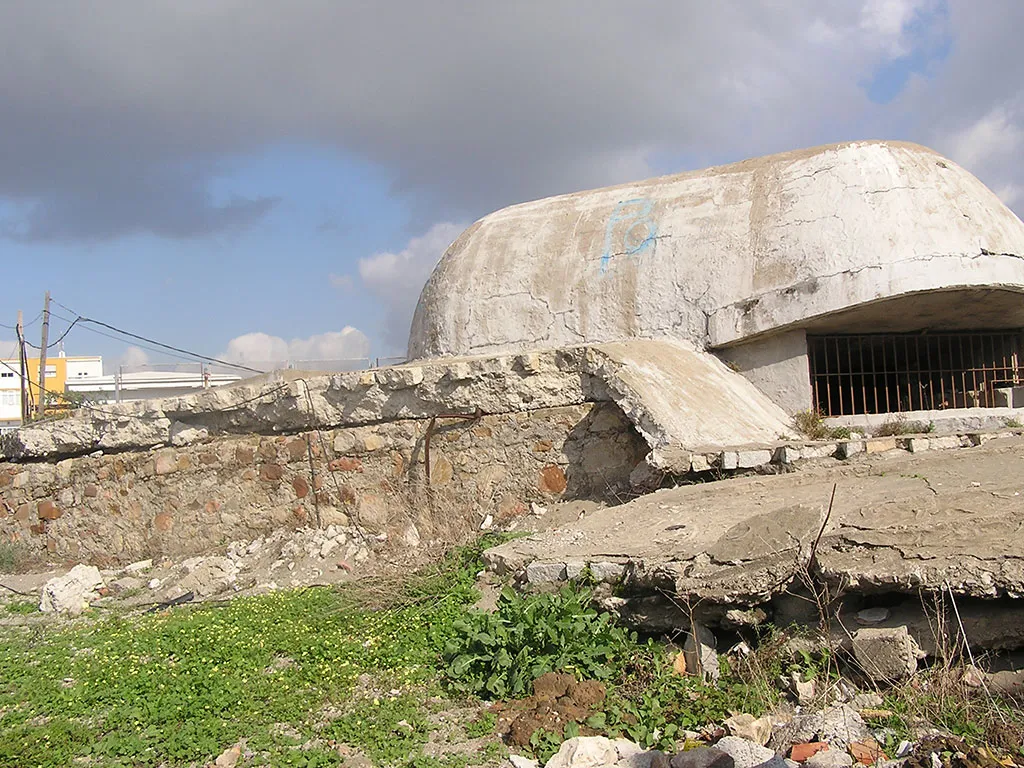
As 1941 unrolled, Spain remained stubbornly neutral, but whispers of a German invasion percolated through to Gibraltar. The Relator mission, if that nightmare became reality, was to cripple Franco's Plan of Fortifications along the southern border.
These weren't your average sandbag defences. From Huelva all the way to Malaga, a concrete labyrinth of bunkers, tunnels, and gun emplacements snaked along the coast. Behind the unassuming frontier town of La Linea de la Concepción, nestled in the Sierra Carbonera mountains, lurked the most menacing part, howitzers and artillery trained directly on Gibraltar. The Relator team knew they had to act with precision and stealth to neutralize this concrete behemoth before it could rain fire on their allies.
Many long hours were spent at the Villa Lourdes, pouring over maps and notes, planning just how they would blow up Franco's bunkers.
Captain Charlie MacIntosh was given the dauting task of crippling the enemy's artillery lining the coast between Tarifa and Malaga.
Muleshit Baffles Germans
MacIntosh enlisted the willing help of Carleton Coon, a brash American OSS agent with a mischievous imagination. One of their objectives was to disrupt the convoys that would supply the bunkers.
Their solution was as ingenious as it was unexpected - explosive mule dung. Coon, on a surreptitious trip to North Africa, procured a rather unique souvenir: real mule droppings. These "gifts" were shipped off to London, where the ingenious minds of the SOE (Special Operations Executive) went to work. They meticulously recreated the shape and colour of the dung, substituting the insides with plaster of Paris, concealing a nasty surprise - plastic explosives and a detonator.
These improvised explosive devices proved devastatingly effective. MacIntosh and Coon took great delight in quietly crossing the Gibraltar Straits and creeping into Morocco and Algeria where they would distribute their 'gifts' on the coastal road. Scattered along the roads, they forced Axis drivers into a nervous game of dodge-a-doo. Word spread like wildfire, with enemy troops scrutinizing every pile of dung, real or not, leaving them constantly on edge.
Captain MacIntosh and Carleton Coon had found a unique way to disrupt the enemy and displace boredom with a touch of wartime wackiness.
Coon clearly thrived amongst the eccentric crew of the SOE. He revelled in their love of all things explosive and their penchant for practical jokes. A favourite prank involved unsuspecting visitors to the Villa Lourdes, getting a rather explosive welcome - a length of detonator cord strategically placed beneath their seat, was guaranteed to raise the roof.
Behind the Scenes in North Africa
The monotony of inaction ate away at the Relator team. With no real missions to flex their skills on, they grew restless. This boredom soon morphed into a taste for the reckless. They strayed from their original orders, venturing into dangerous, unauthorized operations. Banned from operating in Spain, they were forced to seek new frontiers across the Mediterranean Sea. North Africa beckoned.
Summer 1941 found Captain Montgomery, no relation to the illustrious Field Marshal, and Captain Robert in a predicament. Algerian soil, it seemed, wasn't kind to rogue operatives. They were apprehended and locked away in a Vichy prison camp, a desolate outpost in the heart of the Sahara, Laghouat. Their mission in Algeria remained shrouded in mystery, though whispers hinted at them scoping out the Tunisian railway system, perhaps with the intention of a daring demolition.
SOE Smuggling Operations in Gibraltar
For some members of the Relator team, it took no time at all for boredom to set in. Soon after arrival on the Rock, Captain Peter Musson decided to alleviate his boredom, and at the same time provide a service useful to SOE. He weaved himself into the lucrative tobacco smuggling trade between Gibraltar and Spain, effectively putting SOE in control. The key players, smuggler Jose Herrera Saavedra and his supplier L.M. Serruya, were conveniently "taken care of", a euphemism for bribing officials to turn a blind eye. Musson sweetened the deal for Saavedra by adding any confiscated tobacco from rivals to his smuggling pot.
This illicit partnership had a greater purpose. Saavedra's fishing fleet, under the cover of night, wasn't just hauling nets. They were ferrying Brazilian tobacco leaves and, more importantly, people SOE wanted to spirit out of Spain. These weren't ordinary escapees, but essential personnel, agents, resistance fighters, radio operators, and couriers. Discretion was paramount, so these "smuggling trips" never carried anyone who might expose the operation. Saavedra's boats became a covert lifeline, extracting crucial figures from the clutches of Franco's regime and no doubt occasionally providing transport across the Straits for MacIntosh, Coon and a cargo of mule dung.
Execution By Night
But it was not all high jinks. The stakes were high. On the evening of the 14th September 1942, Captain's Musson, Baillon and Fletcher, the backbone of the smuggling operations, were in Bar Tronio in Calle Gibraltar in La Linea, meeting a contact, a Spaniard called Tison who ran the Venta el Cruce. They noticed two men taking too much interest in them and became concerned that they were enemy agents obtaining evidence that SOE were involved with the tobacco smuggling network.
As one of the men stepped outside, the Captains struck and kidnapped one of the pair and spirited him across the frontier. The man was carrying papers in the name Francisco Rodriguez and claimed he worked at Hassan's tailor shop. Despite a violent interrogation at Villa Lordes, Rodriguez did not admit to being a German agent. Nevertheless, he was shot, and his body consigned to the sea at Dead Man's Hole, near the Europa Point Lighthouse. Unfortunately, a sentry saw the disposal, recognised one of the SOE agents and reported his sighting to Fortress Headquarters. This was not the first incident of its kind, as Governor Mason-Macfarlane hinted when he heard of the botched operation, 'Had I been informed of what was intended, and had I decided to agree to the elimination of this man, I could have laid on absolute security in the same way as already has been done successfully in a previous case of the same type.'
Edward Wharton-Tigar
Fleeing Nazi-occupied Yugoslavia, Edward Wharton-Tigar, a seasoned mine manager, found himself stranded in Gibraltar in June 1941. There, his skills caught the eye of Hugh Quennel. Recognizing Wharton-Tigar's potential, Quennel whisked him away to Tangier, a bustling port city in Spanish Morocco.
Tangier, a hotbed of intrigue, placed Wharton-Tigar right next door to Colonel Toby Ellis, the local British intelligence officer. Backed by a healthy supply of funds, Wharton-Tigar's new mission was vastly different from mining. He was tasked with assembling a team of saboteurs ready to strike back at the Axis war machine.
Destroying an Axis Spy Nest
Under the cloak of darkness on January 10th, 1942, Tangier became a stage for a daring act of sabotage. Explosives were smuggled into Tangier in the diplomatic bag going between Gibraltar and the British Consulate in Tangier. In a meticulously planned operation, British operatives Wharton-Tigar and Quennel managed to plant a massive 36-pound block of explosives beneath a clifftop house on Rue de la Falaise. The targeted villa wasn't your ordinary residence; it had been recently acquired by German intelligence and transformed into a prime observation point. A platform built specifically for this purpose offered enemy agents a clear view of the Allied shipping traffic through the Strait of Gibraltar.
I said, 'Blow the villa, not the bloody street.'
The explosion that tore through the night was a devastating blow. The villa, nicknamed a "Nazi spy post" by the local newspaper Espana, crumbled under the force of the blast, along with neighbouring properties. Reports claimed eight lives were lost, including a Greek sailor named Kiriacos, while his wife, Carmen Ortiz, was grievously injured. This act of defiance wasn't just symbolic; it effectively shut down a crucial Axis surveillance post.
Wharton-Tigar and Quennel's success wasn't their only contribution to the war effort. Their covert skills proved invaluable to the SOE.
Later in the war, Wharton-Tigar would orchestrate a large-scale black-market operation in Asia, dealing in currencies, jewels, and other valuables. This clandestine enterprise provided much-needed financial backing for the Allied forces in that region.
From sabotaging Nazi spy nests to manipulating black markets, Wharton-Tigar and Quennel's wartime activities were a fascinating mix of daring action and financial intrigue.
German Retaliation
January 18th, 1942. The sting of the British raid on the German spy villa in Tangier still burned. In retaliation, two Spanish workers, non-attributable agents for the Abteilung sabotage section, hidden amongst the hundreds of workers that crossed into Gibraltar every day, infiltrated the harbour. Their target: the unsuspecting HMS Erin, a British trawler docked by the detached mole.
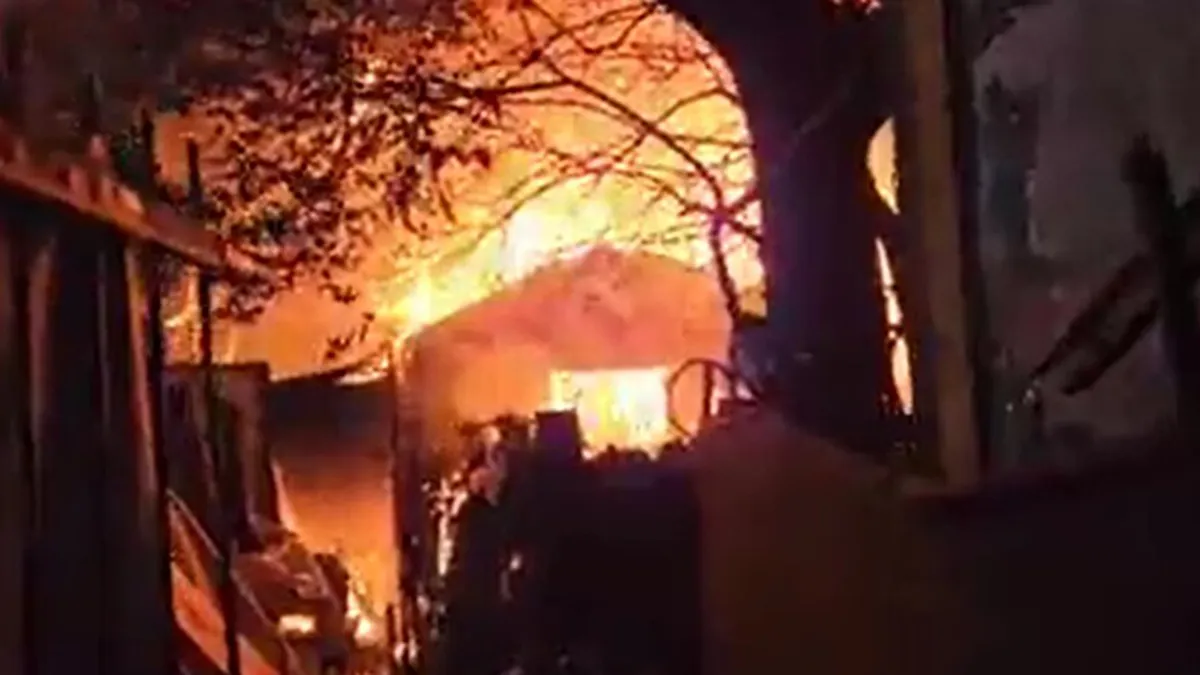
These agents planted a bomb amongst the Erin's deadly cargo - depth charges. The explosion that followed was deafening. The Erin, engulfed in flames, plunged to the depths of the harbour. The shrapnel and shockwave reached neighbouring trawlers, the Imperialist and Honjo, leaving them critically damaged.
The chaos didn't stop there. Shrapnel rained down on the aircraft carrier, HMS Argos, moored nearby. A sub lieutenant, vigilant at his watch post, was struck down, joining four other unfortunate souls who perished in the attack.
The Casablanca Affair
In Casablanca, a crucial artery feeding the Axis war machine awaited severing. Nine thousand tons of rubber, the lifeblood of tires and munitions, sat stockpiled, a tempting target for sabotage. Hugh Quennel boarded the unassuming Q-ship, the Vega, to embark on a clandestine mission: to ignite a spark of resistance in a team of French agents embedded deep within the Moroccan city and blow up the stockpiled rubber. The secret meeting between the French agents and Quennel, in Casablanca, went ahead as planned.
The return journey took a comical turn. Bureaucracy, the bane of even the most meticulously planned mission, reared its ugly head. The Vega, lacking the proper paperwork, was caught in a bureaucratic stranglehold when she returned to Gibraltar. Quennel and his crew were detained. We know what happened to Quennel and company, they were released sometime later. As far as we know, the French agents failed to destroy the rubber..
The Tangier Bomb Incident
In February 1942, fuelled by his success in January's Tangier mission, Hugh Quennel planned something bigger. He packed a trunk with six limpet mines, twelve railway detonators, 7lbs of guncotton and four detonators and disguised it among diplomatic bags destined for the British Consul General in Tangier. The bags were taken across the Straits by the Bland Line mail packet ship, SS Rescue. However, disaster struck at 5.35pm on the 6th of February. As the SS Rescue was about to depart Tangier, a massive explosion ripped through the vessel. The blast killed fifteen, including British consulate security personnel and innocent Moroccans. The scattered remains of British propaganda leaflets carried in the same diplomatic bags confirmed the bomb's origin. This event, forever known as the "Tangier bomb incident," sparked outrage. The following day, violent anti-British riots erupted in Tangier, with Spanish police turning a blind eye. Order was only restored after a state of siege was declared.
Quennel, desperate to deflect blame, claimed he was the target of retaliation by Axis forces. This fabricated story, as later revealed by declassified files released by the Colonial and War offices, was accepted at the time by David Sherr, working in the Defence Security office in Gibraltar. An official inquiry failed to pinpoint the exact cause, faulty packing, mishandling, or sabotage by an outside force, but did criticize the British operatives for their sloppy methods and lack of training. The Tangier incident's political fallout was severe. Further British operations in Spanish-controlled Morocco were scrapped to avoid provoking General Franco's Spain into joining the Axis powers.
The End of Relator
The year was 1942, and the summer sun beat down mercilessly on Gibraltar. For months, the British team codenamed Relator had been on high alert, braced for a possible German invasion of Spain. But as the weeks bled into months, and the threat dwindled, a different kind of tension settled in, the tension of boredom. With no Nazi invasion to thwart, Operation Relator began to fizzle out. The once-vital team found themselves with nothing to do, their days stretching out long and empty. One by one, Relator operatives were shuffled back to their regiments, their covert mission ending with a whimper, not a bang.
The Best Guide to Gibraltar
First published in 2016, The Rock from Bottom to Top was due for an overhaul. We are pleased to publish a second edition on the 320th anniversary of Britain's capture of Gibraltar in 1704.
Completely updated with new images, stories, and anecdotes, Exploring Gibraltar is like no other travelogue or guidebook.
Exploring Gibraltar: The Rock from Bottom to Top is for anybody interested in the history, attractions, and culture of Gibraltar.

FREE to read on Kindle Unlimited, available as an Ebook download and full colour paperback.