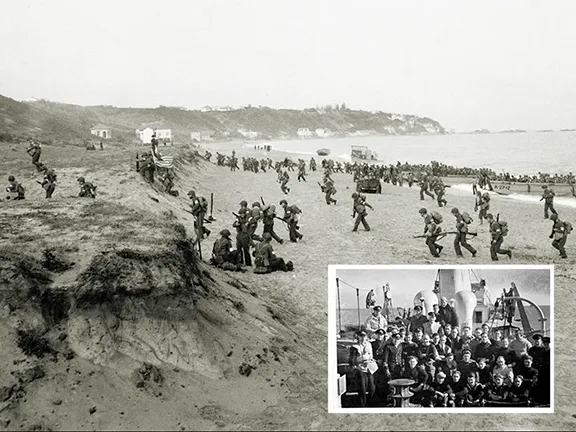
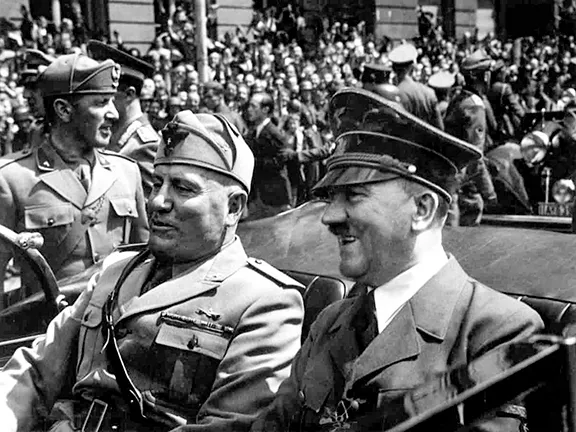
Spain began the war as an avowed non-belligerent, and only in October 1943, did it formally declare neutrality.
Contents
Gibraltar Stands Alone
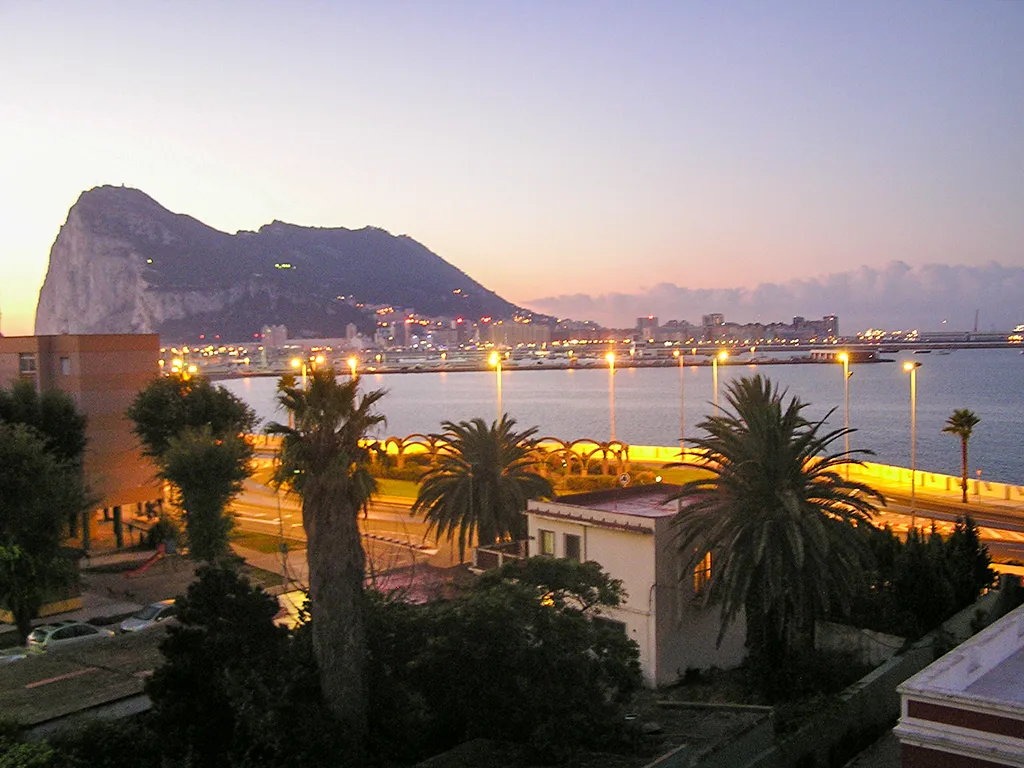
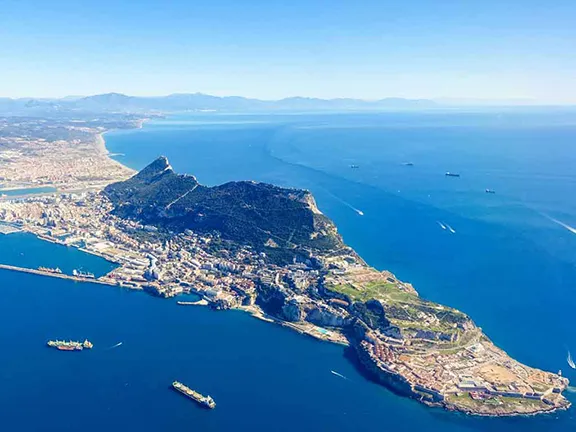
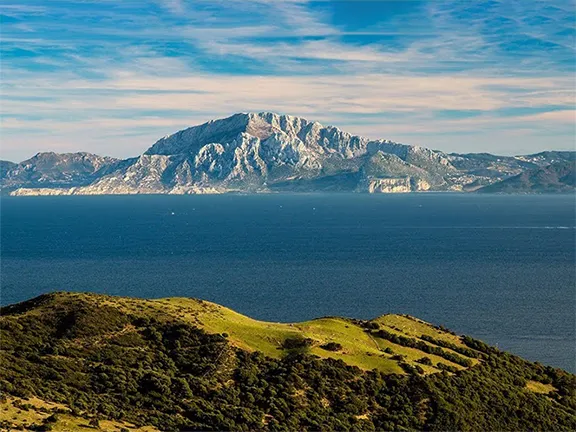
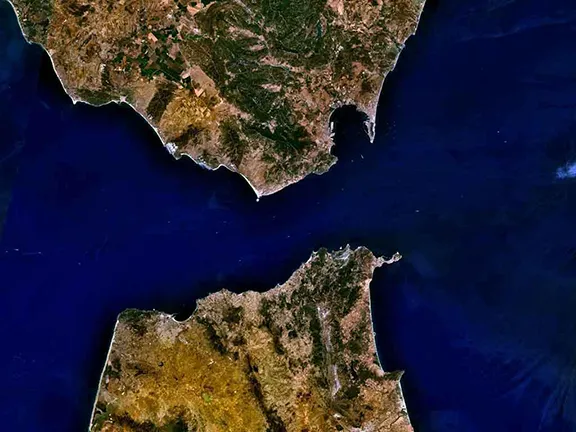
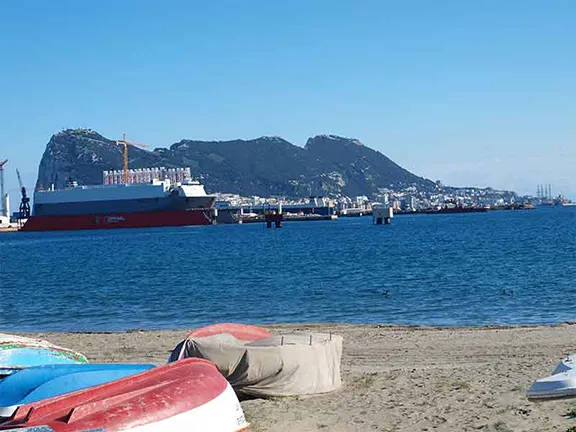
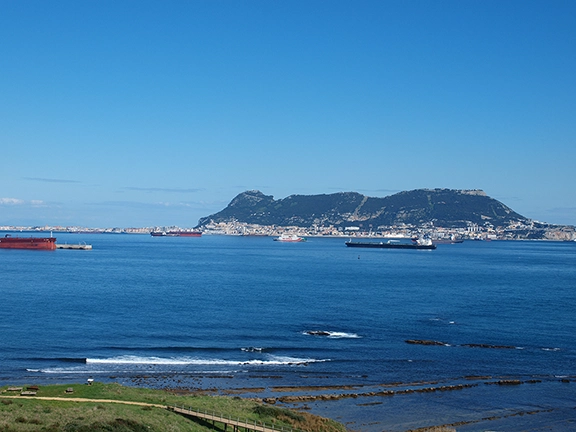
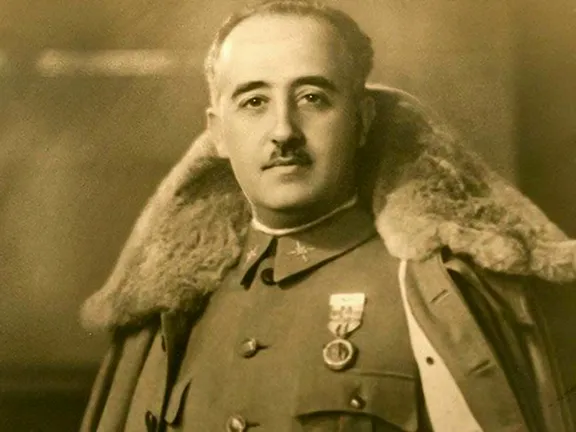
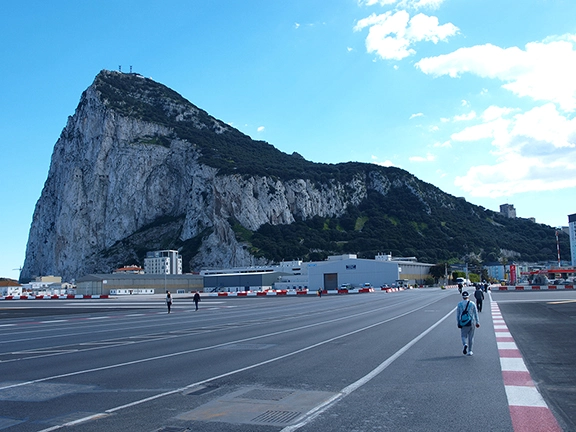
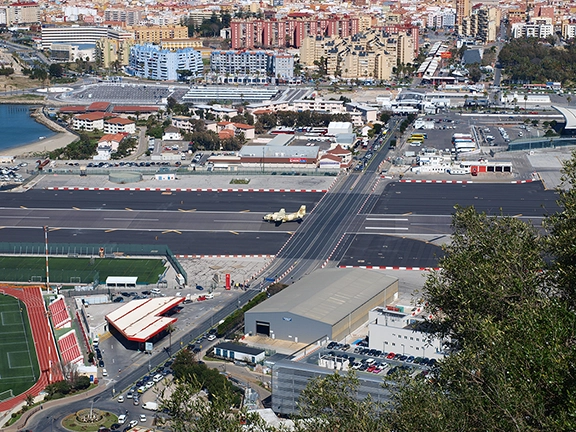
During the tumultuous years of World War II, a tiny speck of land jutting out from the coast of Spain held immense strategic significance: Gibraltar. This heavily fortified Overseas British territory, nicknamed "The Rock," guarded the narrow entrance to the Mediterranean Sea, a crucial waterway for both Allied and Axis forces. The capture of Gibraltar became an obsession for Nazi Germany, leading to a complex dance with the shrewd and calculating dictator of Spain, Francisco Franco.
A Strategic Stronghold in Peril: Britain's Force H at Gibraltar
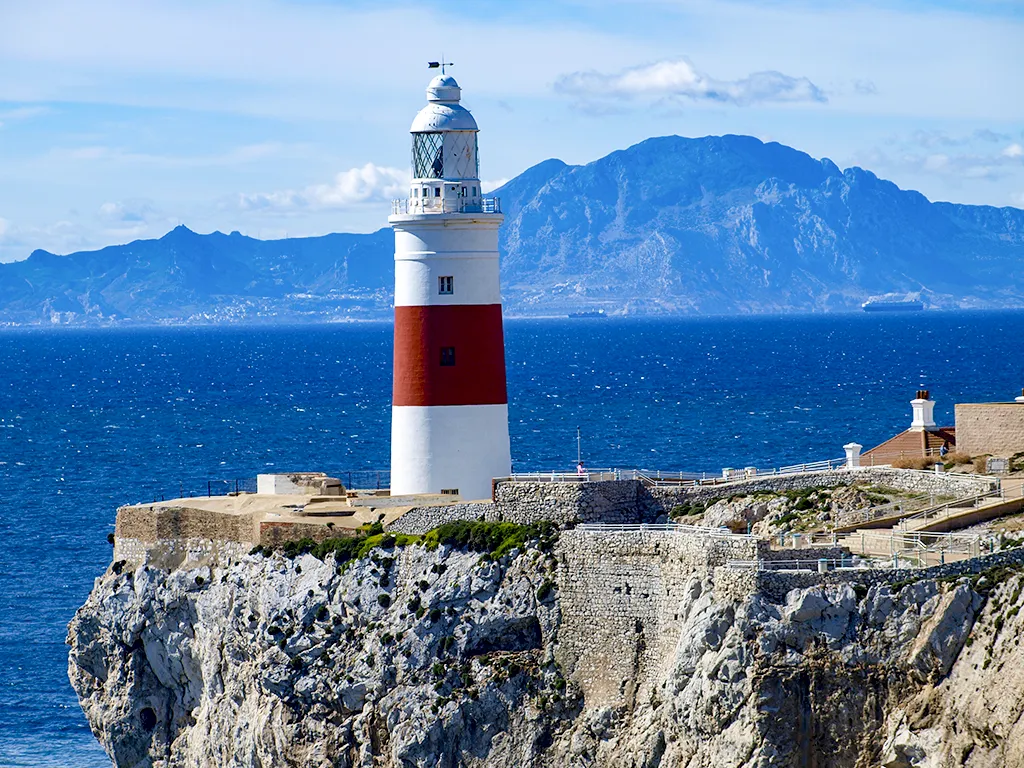
A Strategic Stronghold in Peril: Britain's Force H at Gibraltar
Following France's surrender to Germany on the 26th of June 1940, Force H, based at Gibraltar's Royal Navy base, became a thorn in Hitler's side. This formidable force, initially including, the flagship, the ill-fated battleship HMS Hood (sunk by the Bismark in May 1941) and the aircraft carrier Ark Royal (that sank off Estepona following a torpedo attack by the German submarine U 81), the battleships HMS Valiant and HMS Resolution, the cruisers HMS Arethusa and HMS Enterprise along with eleven destroyers, posed a constant threat to German supply lines to North Africa and German ambitions in the Mediterranean. The strategic importance of Gibraltar was undeniable. With Britain holding the Rock, Germany's southern flank remained vulnerable to attack.
Force H in Action
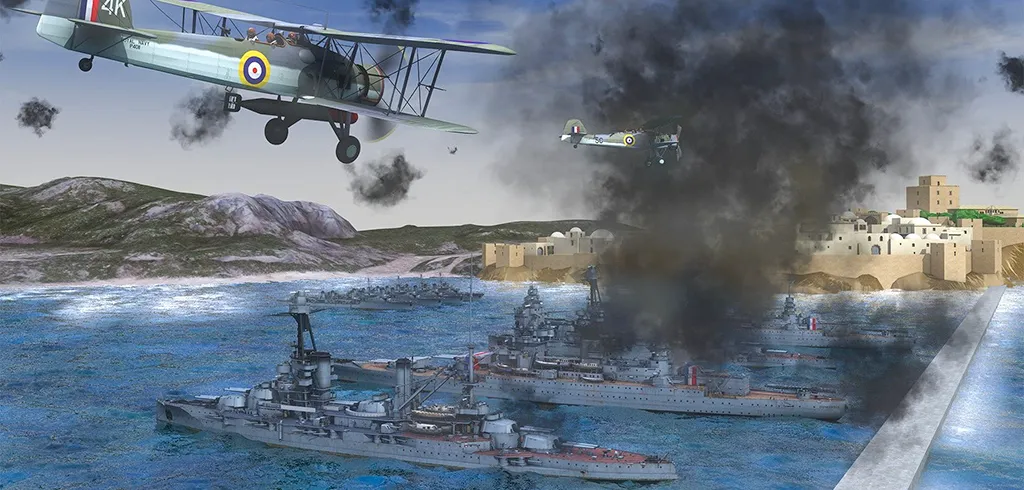
3 July 1940: As swooping Fairey Swordfish provide British eyes in the sky, the distant guns of HMS Hood rain havoc on French battleships anchored near Oran on the Algerian coast.
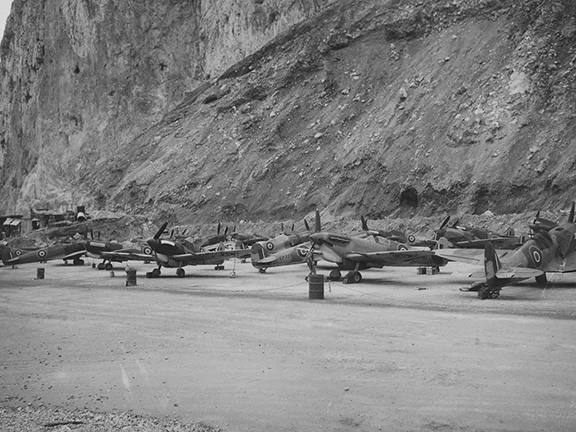
Force H was soon in action. Following the armistice with Germany, the French Fleet, then the second-largest force of capital ships after the Royal Navy, came under the control of the pro-German Vichy Government. On July the 3rd 1940, Force H opened fire on the French fleet anchored at Mers el-Kebir; there could be no possibility of the French fleet falling into German hands. Naturally, the French were a little put out and the Vichy controlled French Air Force launched the first aerial attack against Gibraltar.
Operation Felix: A Daring (and Ambitious) Gamble
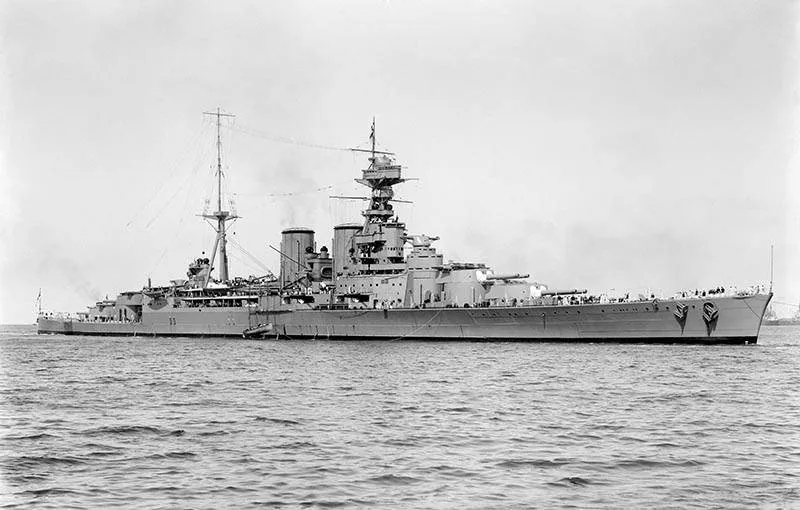
Following the ataack on the French fleet at Mers el-Kebir, Force H returned to Gibraltar
The sinking of the French Fleet helped persuade Hitler that any large-scale actions in the Mediterranean would be hazardous whilst Britain held Gibraltar. By the 12th of July 1940, the initial planning document for the invasion of Gibraltar, had been prepared and on the 22nd of July a reconnaissance mission set off in civilian clothes with false passports to Madrid. There were several problems to solve before an invasion could take place, not least obtaining an agreement from Franco that German forces could travel across Spain.
Franco's Balancing Act: Neutrality with Benefits
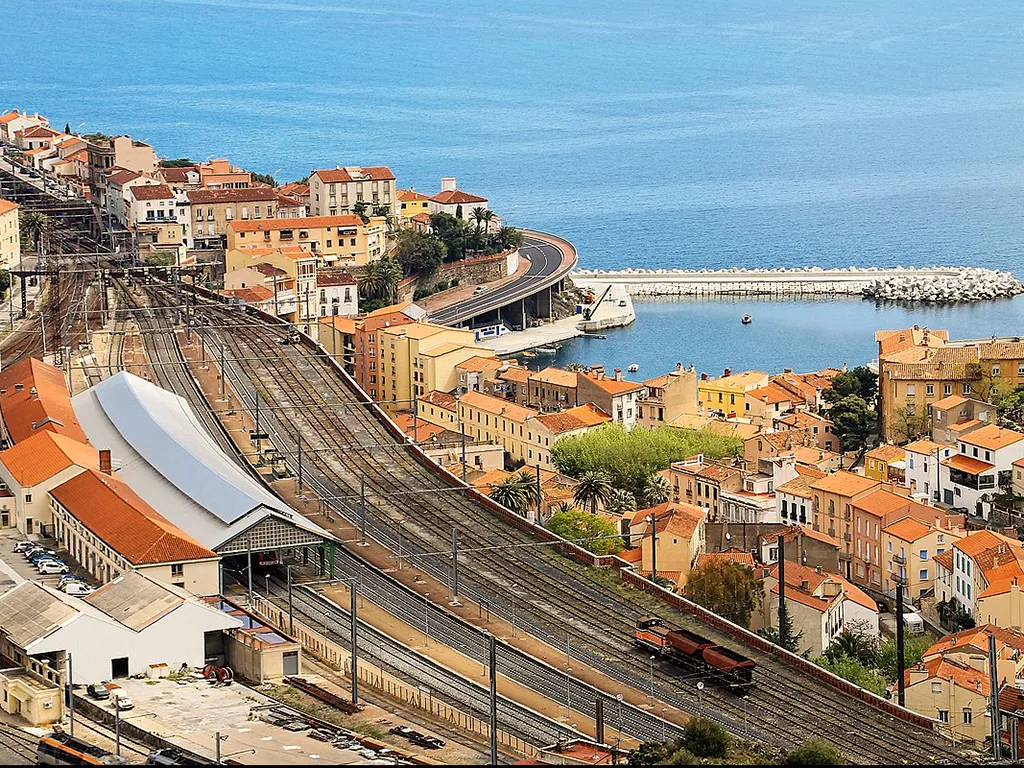
Supplies from Germany to Spain traversed France by rail to the French border town of Cerbere where the hauling trains had to be exchanged as France and Spain had different railway gauges.
Emerging from a devastating civil war, Franco craved neutrality. Yet, he was acutely aware of Germany's growing power and the potential benefits of an alliance. Franco's problem was that much of the food and essential materials for Spain had to be imported from former colonies in South America. It was imperative that Spanish merchant ships and neutrals trading with Spain continue to travel safely across the Atlantic. Franco understood that, if he allowed German forces to use Spanish territory to attack Gibraltar his Atlantic lifeline would be cut.
He was probably also aware that if German forces entered Spain, Britain planned to capture, occupy, and defend a large part of southwestern Spain to prevent long-range bombardment by German train carried artillery that had ranges up to thirty kilometres.
Franco saw an opportunity to exploit the situation, playing both sides against the middle. He demanded vast quantities of supplies, grain, fuel, and other materials, from Germany in exchange for his cooperation. On the 23rd of July 1940, Admiral Canaris, the leader of the covert mission to Madrid, met Franco and asked for Spanish help to prepare a map of the defences of Gibraltar in preparation for the proposed attack. Franco was not entirely happy with the scheme but allowed Canaris and his men to travel to Algeciras and set up reconnaissance points.
A Nest of Spies: Algeciras and La Linea Become Hotbeds of Intrigue
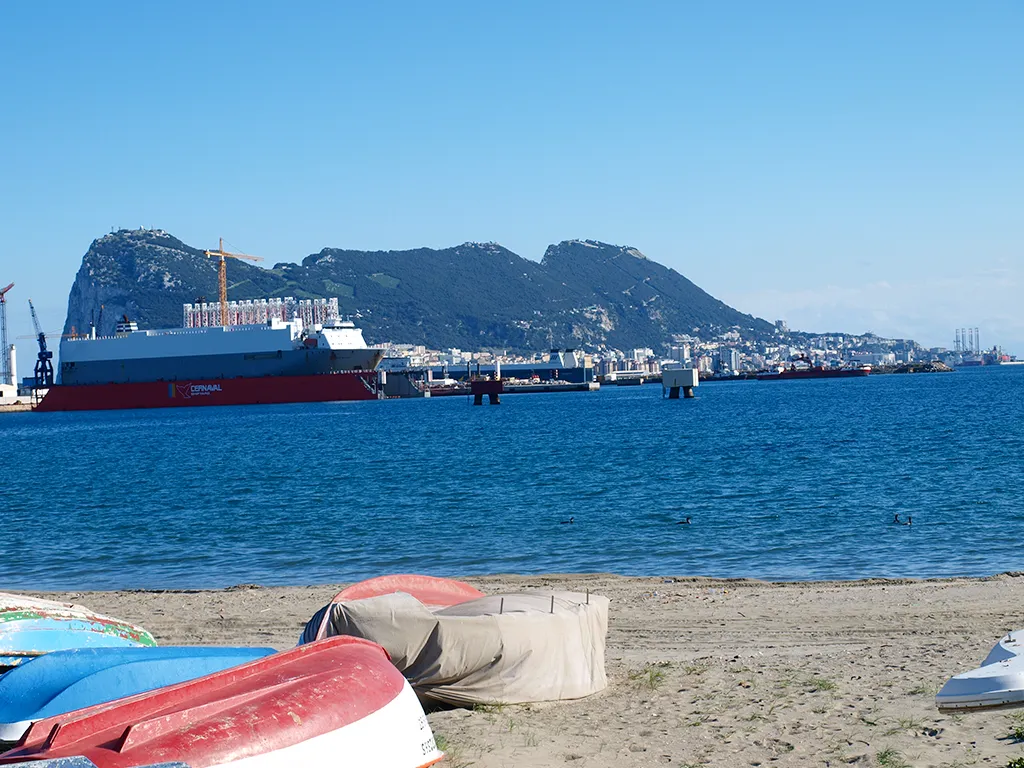
While diplomatic manoeuvring unfolded on the surface, a clandestine war raged in the towns of Algeciras and La Linea de la Concepcion, overlooking Gibraltar. These unassuming Spanish towns became breeding grounds for spies. At the Hotel Reina Cristina in Algeciras, German agents discreetly converted hotel bathrooms into makeshift darkrooms to develop photographs of Gibraltar taken from balconies overlooking the Rock.
Meanwhile, "Spy Row", the coast road between Algeciras and La Linea, bustled with activity as German intelligence officers set up camp in the villas Leon, San Luis, Isabel, and Haus Kellerall to observe the formidable defences of the Rock. Allied intelligence officers meticulously observed the German activities. In the town of La Linea, the Spanish commander's office was used to observe the northern defences, and the western face of the Rock was watched from the Punta Carnero lighthouse.
The Impregnable Rock and the Elusive Agreement
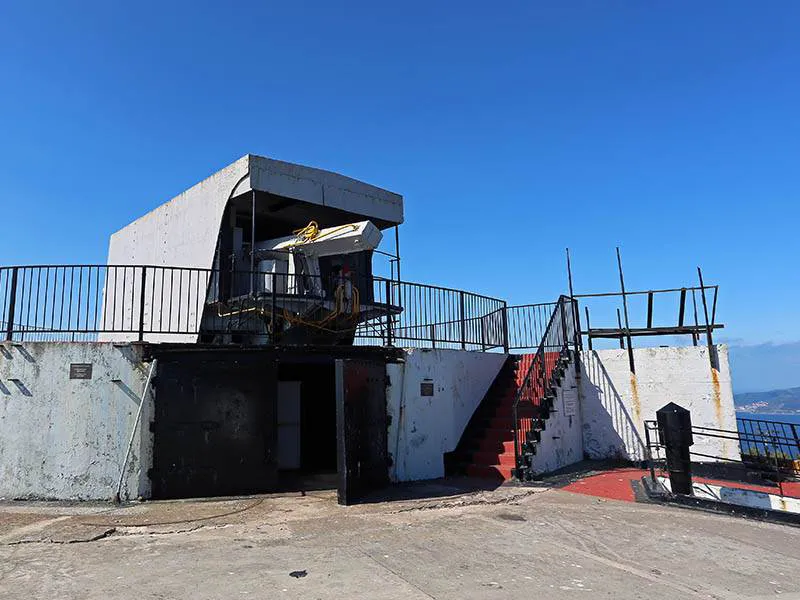
Initial assessments by German spies revealed the daunting nature of a Gibraltar assault. A surprise attack, a key element of Operation Felix, was deemed impossible. The Rock's formidable defences, consisting of a network of tunnels, artillery emplacements, coupled with the limited access points across the heavily mined narrow peninsula between La Linea and Gibraltar, made a frontal assault a recipe for disaster. Gliders or paratroopers could not be used due to the variable air currents over the Rock.
Furthermore, Franco, sensing the difficulty of the operation and the potential costs, remained elusive. His commitment to Hitler's plan wavered, and his demands for German aid continued to escalate.
The reconnaissance group put together a detailed plan to take Gibraltar. The minimum requirement to ensure the success of a land invasion was a force consisting of two infantry regiments, one of which should be a mountain unit, one engineer construction battalion, two combat engineering battalions, a special company of mine experts and twelve regiments of artillery with 167 guns. On August the 14th 1940, Hitler gave his approval for the Gibraltar operation and gave it the codename Operation Felix.
Operation Sealion
In the late summer of 1940, Operation Felix was just one operation within the overall plan, Operation Sealion, to invade Britain and remove the British from the war. Franco meanwhile was continuing to demand supplies of grain, fuel and other materials from Germany and indicating that he would only give permission for an attack on Gibraltar if Germany defeated Britain.
By late September 1940, Hitler had postponed his invasion of Britain and had to provide Franco with more incentive.
Hitler's Dilemma
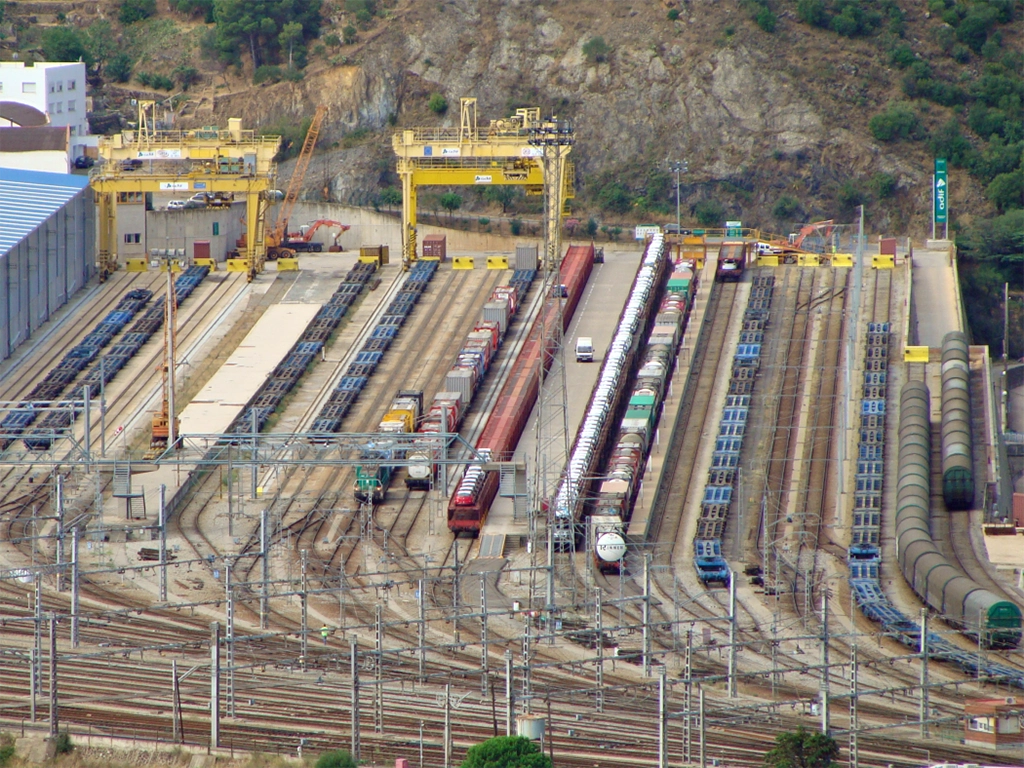
The station at Portbou on the Spanish side of the border with France, and the yards at Cerbere just over the border, in France, were crucial links in the supply chain for goods too and from Germany.
Hitler was very conscious that Franco was providing Germany with invaluable resources to such an extent that, losing those resources would lose him the war. Following the Nazi rise to power in 1933, Germany sought to strengthen its economic foothold in Spain. This push was driven by the need for resources crucial to waging total war. Spain, rich in essential minerals and foodstuffs, became a target for German economic influence.
Two major German banks operated in Spain: The Banco Aleman Transatlantico (Spanish branch of Deutsche Uberseeische Bank) and Banco Germanico de la America del Sur (established by Deutsche-Sudamerikanische Bank). Additionally, at least ten German insurance companies held a presence in the Spanish market. The German chemical giant, I.G. Farben, extended its reach into the Spanish chemical and pharmaceutical sectors. It directly controlled several Spanish firms through Unicolor S.A. and held a controlling interest in Sociedad Electro-Quimica de Flix. Another German firm, Lipperheide and Guzman S.A., established a significant footprint, owning or having close ties to ten Spanish mineral and chemical companies, along with mines, smelters, and transportation facilities. Germany also made inroads into the Spanish machinery and electrical equipment industry. Soc. Financiera Industrial Ltda (SOFINDUS), the official German trading company in Spain (controlled by Rowark GmbH), gained considerable influence in Spanish agriculture.
Despite Allied efforts to counter German influence, Spain continued to supply essential metals like tungsten, iron ore, zinc, lead, and mercury to Germany until August 1944. Payment for these materials was offset against Spain's debt incurred during the Spanish Civil War.
While economic ties were a key focus, Spain's support for the Axis extended beyond resource provision. They serviced Axis planes, allowed Axis agents to operate in Madrid, and sent a military unit, the Blue Division, to fight alongside Germany against the Soviet Union. Early in the war, Spain also permitted German U-boats to refuel and resupply covertly at Cadiz and Vigo, although this concession was withdrawn under pressure from the Allies.
The Hendaye Summit: A Futile Attempt to Secure Spanish Cooperation
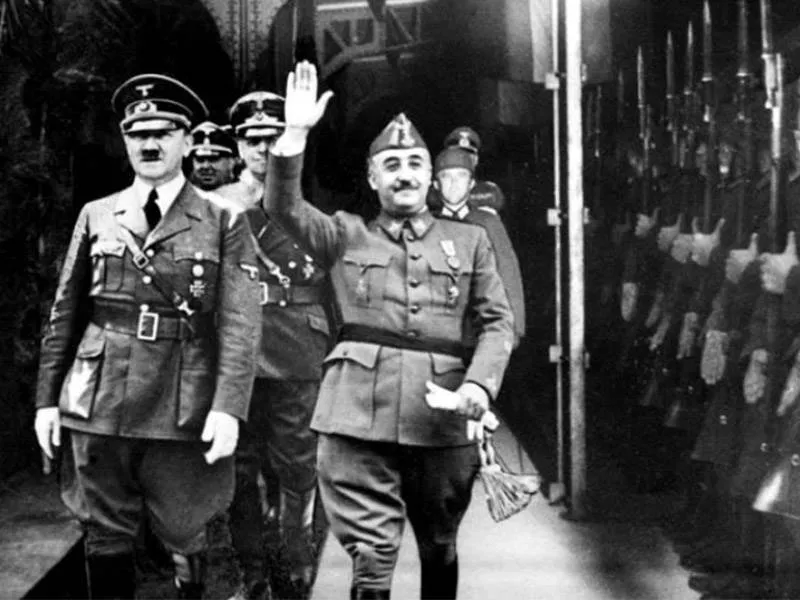
On the 23rd of October 1940, in a dramatic meeting at Hendaye on the French-Spanish border near San Sebastian, Hitler attempted to sway Franco. He dangled the carrot of a post-war Gibraltar in exchange for Spanish cooperation. However, Franco, ever the shrewd negotiator, remained unmoved. He demanded more immediate benefits and refused to commit his forces without a clear sign of British defeat. Hitler's gamble to secure Spanish cooperation through promises of future gains backfired spectacularly.
Despite the failed Hendaye Summit, reconnaissance of Gibraltar continued. The invasion plans were refined and a possible date during mid-December was put forward for the attack. Duplicates of the Rock's defences were built in the Jura Mountains in the Besancon area and the 1st Mountain Division started training. On the 12th of November 1940, Fuhrer Directive Number 18 included his intentions for Operation Felix.
The Shifting Sands of War: From Felix to Barbarossa
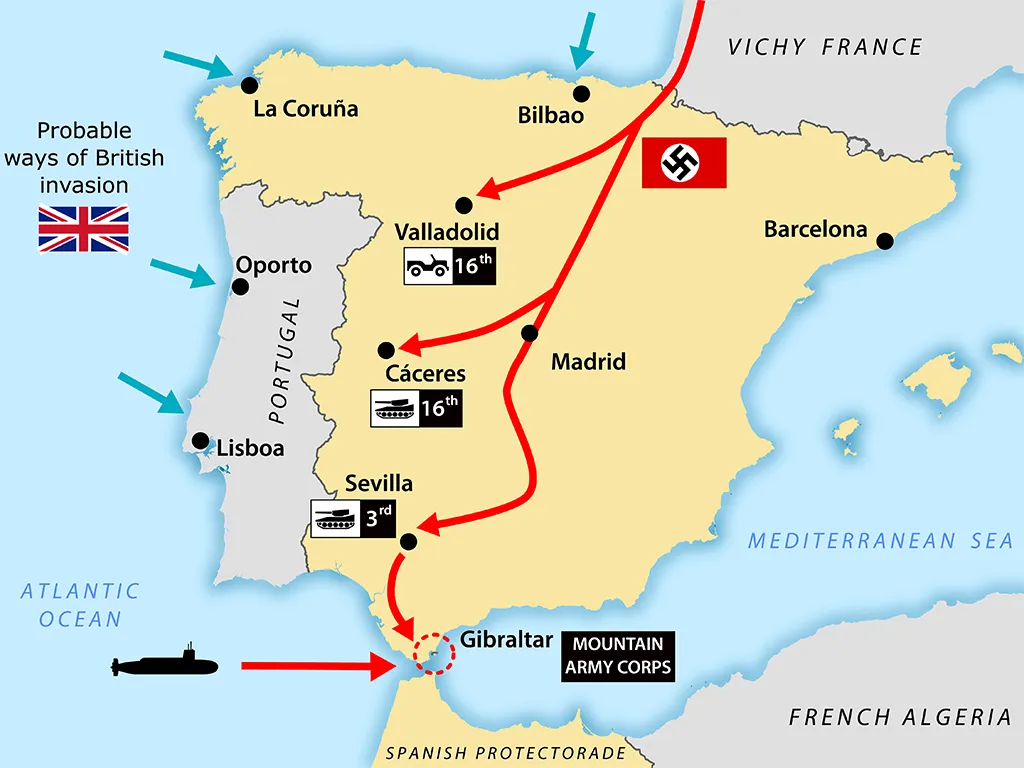
Map By NACLE based on Image:Iberian_Peninsula_location_map.svg created by NordNordWest - Own work, CC BY-SA 4.0, https://commons.wikimedia.org/w/index.php?curid=47678426
As winter approached in late 1940, events conspired against Hitler's plan. Mussolini's disastrous invasion of Greece forced Germany to divert resources to bail out its faltering ally. Hitler's attention also began to shift eastward, towards a fateful invasion of the Soviet Union. The logistical nightmare of Felix, coupled with Franco's reluctance, became less appealing.
The End of Felix: A Missed Opportunity
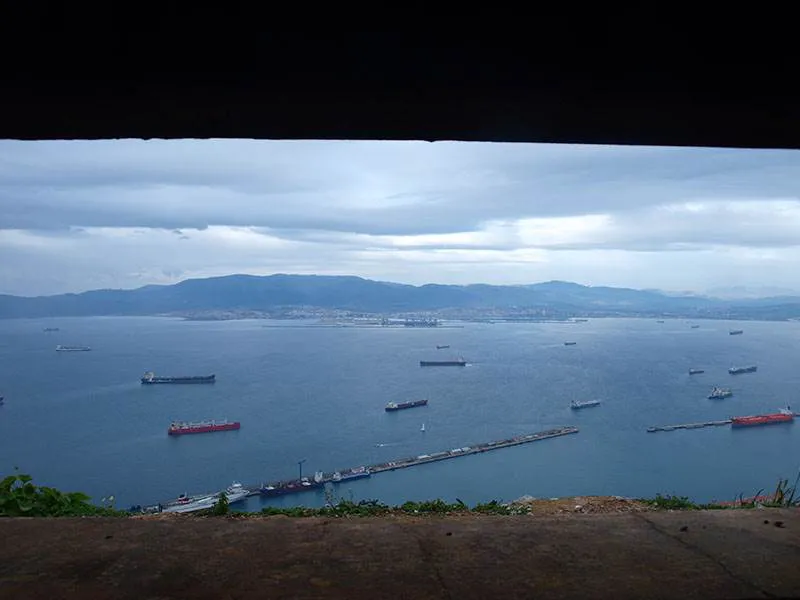
By December 1940, Operation Felix was effectively dead. Hitler's decision to prioritize the Eastern Front sealed its fate. This strategic miscalculation allowed the Allies to solidify their hold on Gibraltar, transforming it into a crucial springboard for future offensives in the Mediterranean theatre.
A last attempt was made to persuade Franco to allow a German incursion into Spain to take place on the 10th of January 1941 and an assault on Gibraltar commencing on February 4th or 5th. Admiral Canaris, in Madrid, failed to get the agreement he wanted even though he promised that the supplies Franco demanded would start to flow into Spain as soon as the first German soldier crossed the border. Franco again declared he would only enter the war when Britain's collapse was imminent.
This final decision effectively brought an end to Felix. Towards the end of 1940, the allies were starting to flex their muscles in Libya, East Africa, and Greece. Admiral Raeder pointed out that the only way Britain could continue those movements was if they retained bases in the Mediterranean. In his opinion, the only response should be the capture of Gibraltar., an opinion ignored by Hitler.
Franco's Gamble Pays Off: The Legacy of Operation Felix
Franco's gamble on neutrality paid off handsomely. He secured much-needed supplies from Germany while avoiding a costly military intervention. While Hitler's obsession with Gibraltar ultimately proved a distraction, Franco's calculated ambiguity had a significant impact on the course of the war in the Mediterranean. His refusal to cooperate with Hitler not only thwarted Operation Felix but also forced Germany to divert resources to other fronts, ultimately contributing to the Axis defeat.
The Best Guide to Gibraltar
First published in 2016, The Rock from Bottom to Top was due for an overhaul. We are pleased to publish a second edition on the 320th anniversary of Britain's capture of Gibraltar in 1704.
Completely updated with new images, stories, and anecdotes, Exploring Gibraltar is like no other travelogue or guidebook.
Exploring Gibraltar: The Rock from Bottom to Top is for anybody interested in the history, attractions, and culture of Gibraltar.

FREE to read on Kindle Unlimited, available as an Ebook download and full colour paperback.