Contents
A 3000-year-old testament to maritime craftsmanship
Discovery and Significance
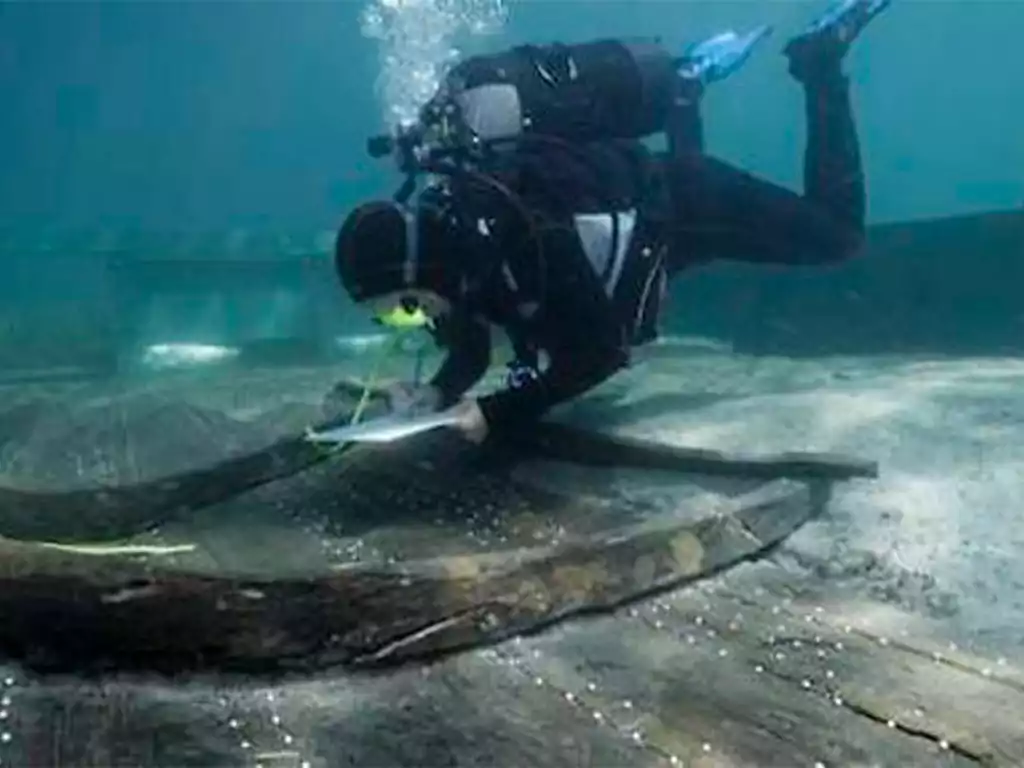
The meticulous excavation process uncovered an exceptionally well-preserved vessel, with approximately 70% of its original structure intact. The boat's construction employed a unique sewn technique, utilizing natural fibres such as ropes, roots, and willow branches to bind the wooden planks together. This time-honoured technique, which was a technique of shipbuilding practiced in the Adriatic until the Roman era, passed down through generations of boatbuilders, speaking volumes about the craftsmanship and ingenuity of Bronze Age maritime communities.
Unravelling the Mysteries of the Past
Zambratija is thought to have been a mastless boat built for seven to nine rowers. It is thought to have been used by the Histri, a local tribe after whom Istria was named. "According to boat lines we can assume that she was a rowboat for fast navigation along the coast or through river straits on the northern Adriatic," said Koncani Uhac, an Underwater archaeologist of the Archaeological Museum of Istria.
The different types of wood used to construct it have been identified as elm, alder, and fir. Sewn boat construction techniques were used in many parts of the world prior to the development of metal fasteners, and continued to be used long after that time for small boats to reduce construction costs where metal fasteners were too expensive. Carefully shaped planks are connected at the edges with overlapping sections, which are sewn together.
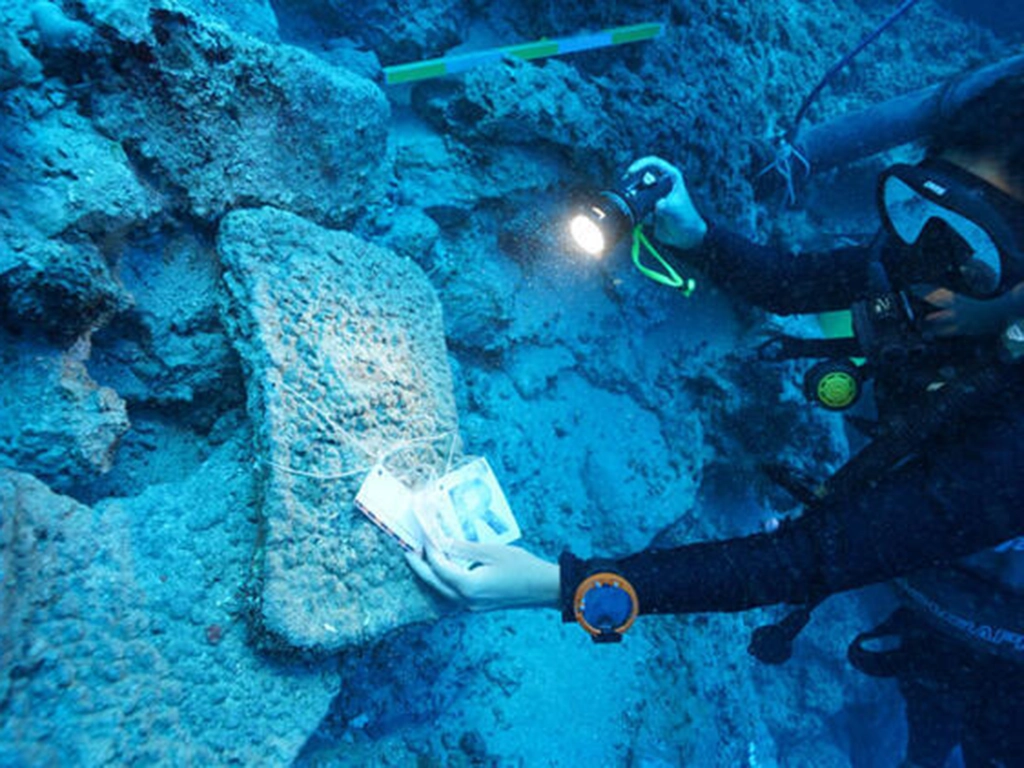
In July 2023, divers raised a section of the boat. It is hoped that tree ring analysis of the timbers will give an accurate year the boat was built.
The absence of cargo aboard the ship suggests it may have fallen victim to a sudden storm or mishap, leaving it abandoned at the bottom of the sea. The pristine condition of the boat, remarkably preserved by the protective embrace of the underwater environment, offers a unique opportunity to study Bronze Age shipbuilding techniques and gain a deeper understanding of maritime trade and communication during this era.
Preservation and Future Prospects
Plans are underway to carefully raise the shipwreck from the seabed, a delicate operation that requires specialized expertise and advanced technology.
In 2023, the Zambratija was recovered in 15 separate fragments, which were transported to a museum hangar. There, they were cleaned, analysed and tagged before being put in a specially constructed pool to desalinate.
The fragile remains will be transported to a pool in the Arc-Nucleart research laboratory in Grenoble, France, which specialises in the conservation and restoration of ancient archaeological objects.
Once that work is done the Zambratija should be able make a final journey home home, where it will be put on display.