Contents
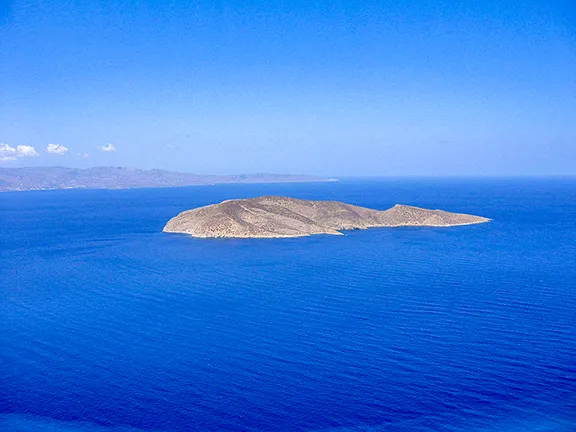
Where was the Dokos shipwreck found?
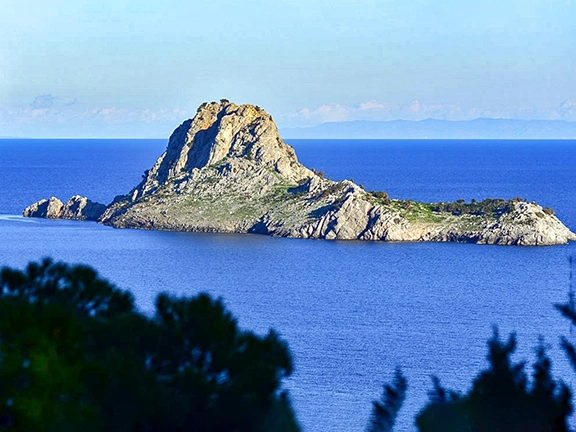
About the Dokos wreck site
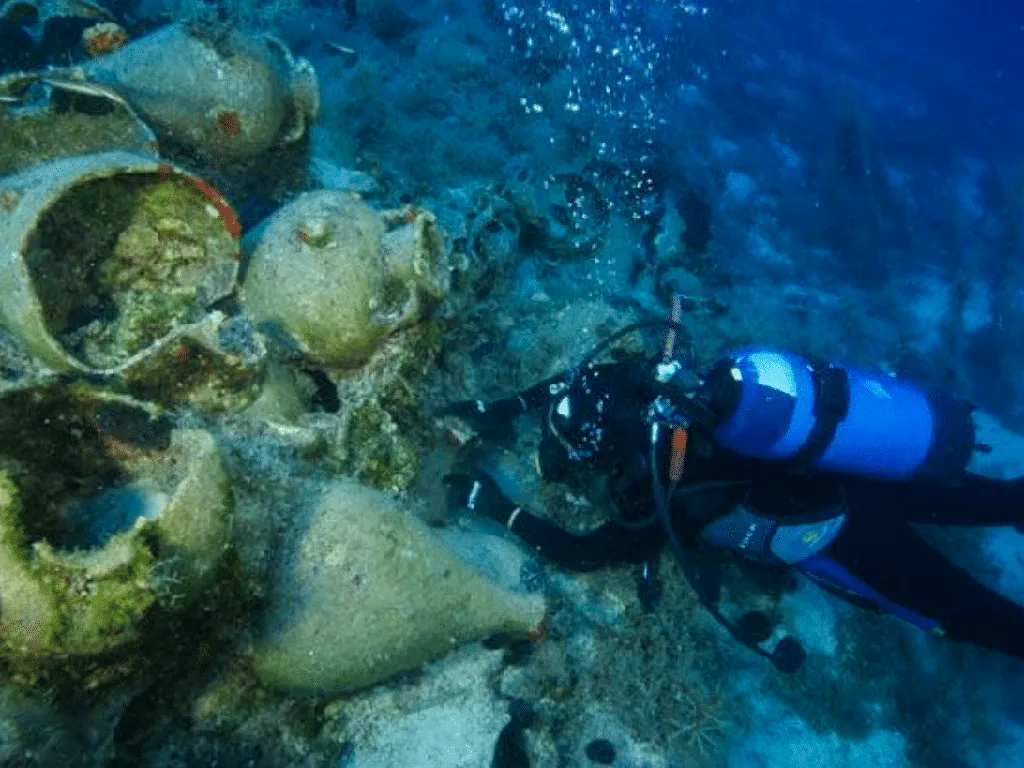
During the 13th c. BC, the settlements of Myti Kommeni and Ledeza were established on the island. Dokos has few natural springs and is a barren island with a total height of 308 metres above sea level.
Who excavated the Dokos shipwreck?
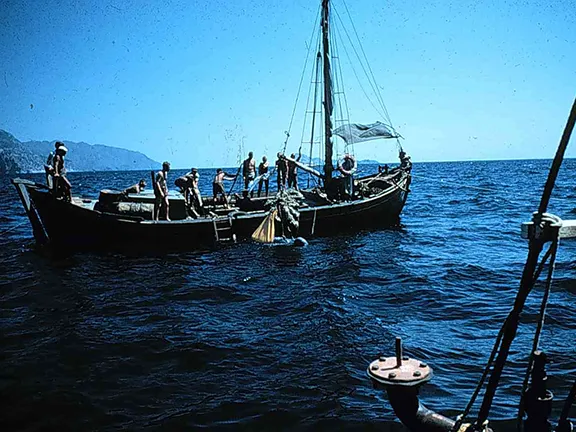
On August 23, 1975, Peter Throckmorton, pioneer seabed researcher and founding member of I.EN.A.E., located an extensive concentration of prehistoric pottery fragments at the bottom of Scinto Bay, Dokos Island, at a depth of 20 meters.
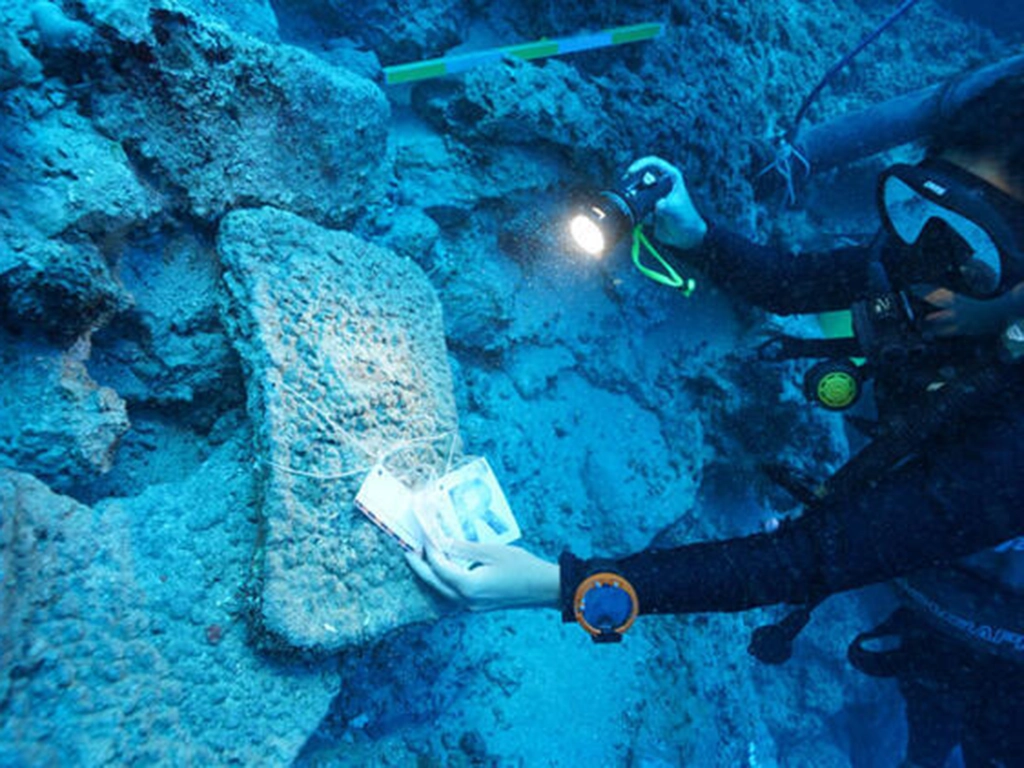
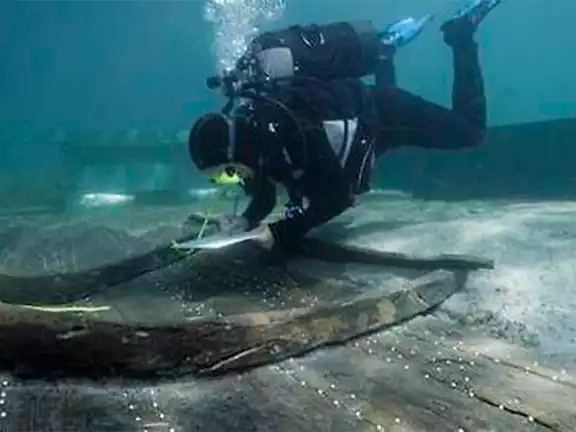
An autopsy and two preliminary reconnaissance investigations followed in 1975 and 1977, under the scientific direction of the archaeologist and then president of I.EN.A.E. Giorgos Papathanasopoulos and the technical organization of Nikos Tsouchlos. The start of the systematic excavation of the wreck of Dokos began in 1989 and evolved into four excavation periods (1989-1992).
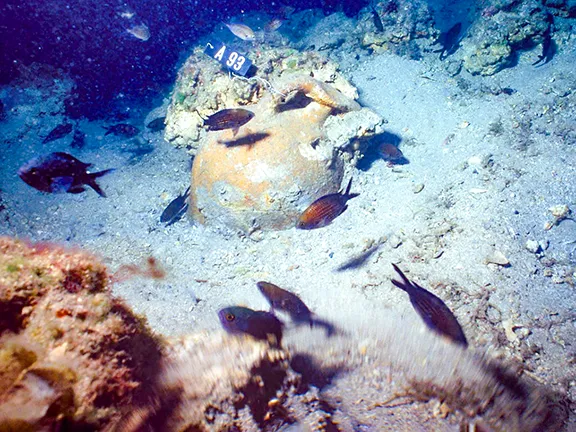
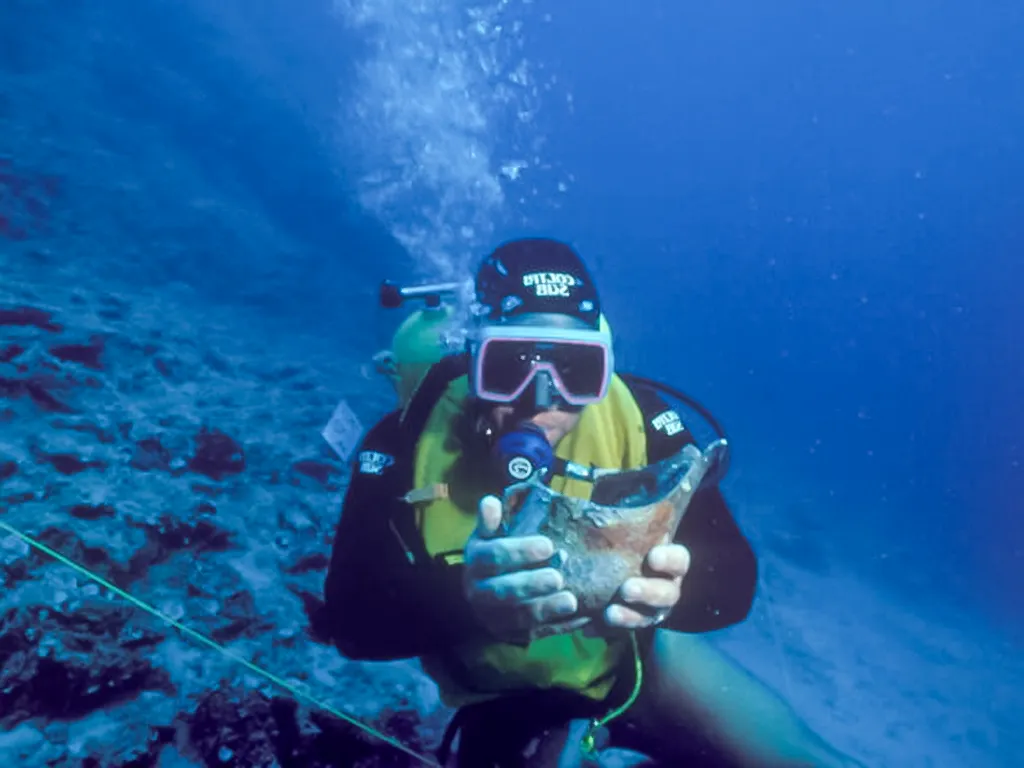
It was established that the ceramic findings, scattered on the seabed at a depth of 15m. up to 32 m., were part of the cargo of a ship of the Early Helladic II period. It was therefore the oldest known shipwreck in the world until then.
When did the Dokos wreck sink?
How was the Dokos ship built and what were its dimensions?
The anchors found near the wreck weighed 18.5kg and 21.5kg. If these anchors did belong to the wreck, they suggest an overall length of 15 - 20 metres, quite a substantial size for the period.
Who were the people who owned and operated the ship?
Where did the crew of the Dokos shipwreck originate?
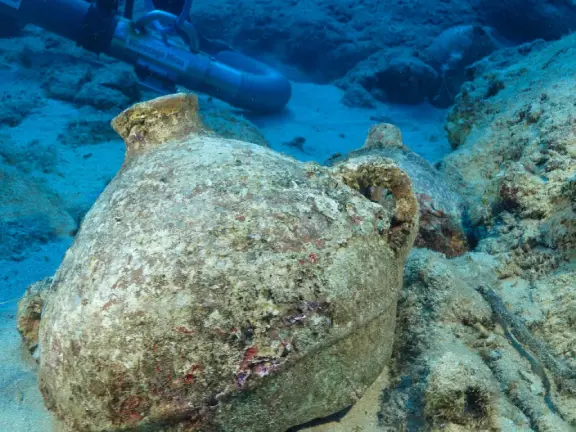
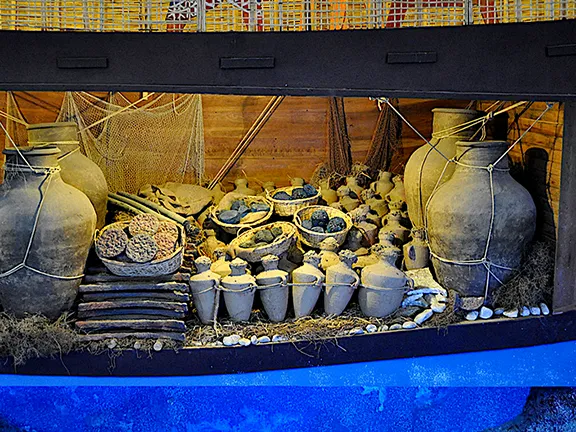
What was the cargo on the Dokos ship?
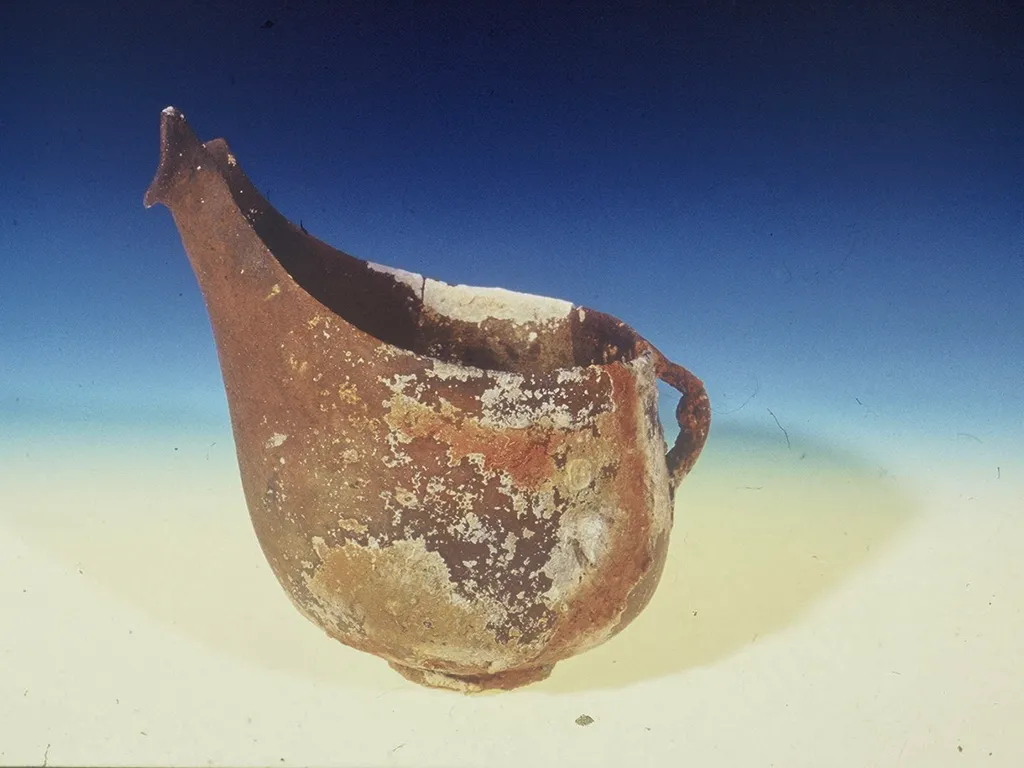
Fragments of a pyxis, a cylindrical or spherical box or vase with a lid were also found.
Although not part of a cargo, during the excavation, about 40 metres from the main concentration of the ceramic load, two stone slab anchors belonging to a known Bronze Age anchor type were found.
The two anchors are about the same weight and were made from hard grey-green schist. They have a hole near the circumference. In several parts of the circumference, they have dents, a result of wear and tear from their use. They were found wedged into the rocky bottom with the hole facing the surface of the sea and towards the east, i.e., towards the area of the main concentration of the cargo and the mouth of the cove. Their location indicates they were from the Dokos wreck.
Where did the Dokos cargo come from?
The obsidian probably originated on the island of Milos some 120 kilometres southeast of Dokos or Antiparos 160 kilometres due east of Dokos.
It is known that lead was being mined at Lavrion during this period and this may have been the origin of the lead ingot. Lavrion lies on the east coast of the Attica region about 70 kilometres northeast of Dokos and 30 kilometres south of Askitario.
Where was the cargo going?
The island of Dokos itself is also an interesting speculation. Dokos was sparsely inhabited from the end of the Neolithic period, but human presence on the island increased during the Early Helladic period (2500 - 2200 BC), as coastal sea trading was developing.
Where did the Dokos ship come from and where was it going?
Why did the Dokos ship sink?
Political situation at the time
It was during this period that bronze working was introduced to the area and oxen were first used to draw a plough. The culture had a hierarchical social organization, and monumental architecture and fortifications but no indication of long-distance maritime trading in their own right.
Examples of Early-Helladic II pottery have been found as far away as Knossos in Crete, Lefkas in the west, Thessaly, and on Ios and Keos in the Cyclades.
There was clearly a thriving maritime trade at this time using local boats sailing within sight of the coast or offshore islands, pre-dating the more long-distance trade initiated by the Minoans.
Ongoing Research
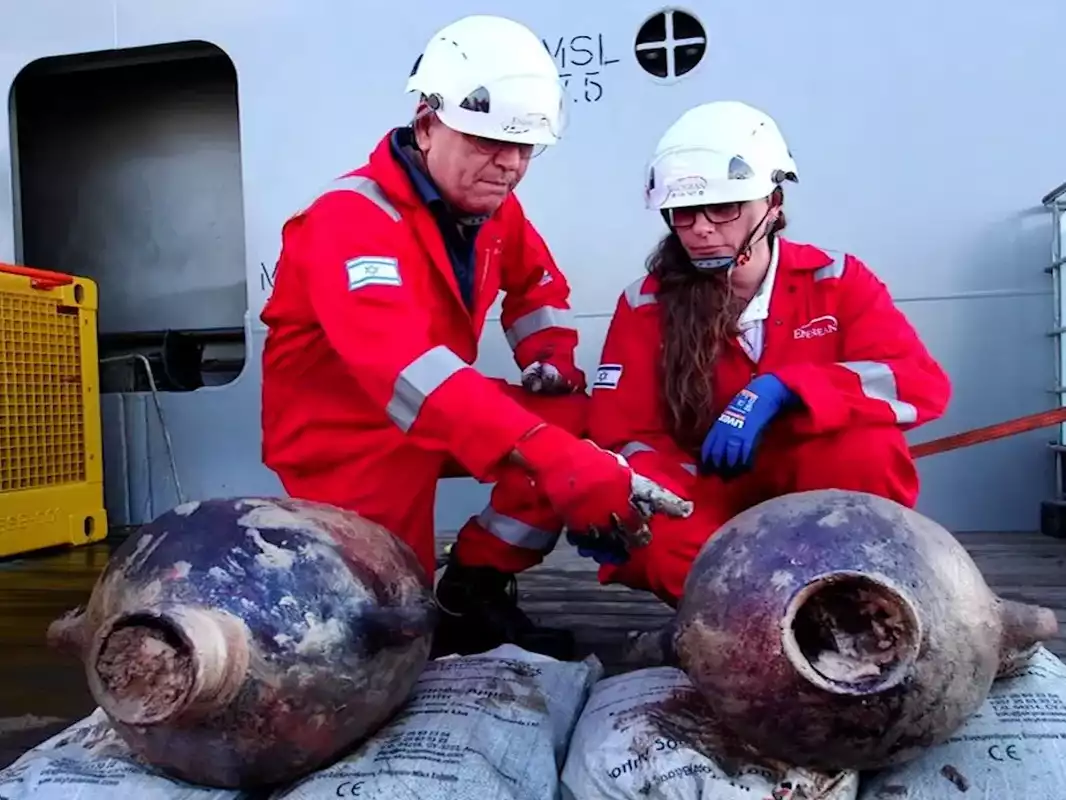
Where is the Dokos shipwreck now?
References
Papathanasopoulus G. ENALIA vol1, 1990, 10 - 40
Enalia Annual 1990, Vol 2 (publ. 1992). HIMA, Athens
Master Seafarers: The Phoenicians and the Greeks (Periplus, 2004), 98-105
Agouridis, C., Y. Vichos, 1997: 'Scientific activities of the Greek Institute of Marine Archeology (HIMA)', DEGUWA , Newsletter 13, 7th year, 27-31.
Agouridis, C. 1997: 'Sea routes and navigation in the Third Millennium Aegean', Oxford Journal of Archaeology, 16.1, 1-24.
Agouridis, C. 2000: 'Seafaring, Trade and Cultural Contact in the Aegean during the Early Bronze Age', IKUWA, protection of underwater cultural heritage, changes in European lifestyle through river and sea trade, contributions to the International Congress of Underwater Archeology (IKUWA '99 ), 18.-21. February 1999 in Sassnitz on Rogen , Libstorf 2000, 101-112.
Vichos, G. 1993: "The shipwreck of Dokos: The archaeological investigations and findings of the Protohelladikos shipwreck", The Kathimerini: Seven Days , Sunday 13 June 1993, 16 -18.
Vichos, G. 1998: "Treasures from the depths of time: The important finds of the prehistoric wrecks of Dokos and Iria", Kathimerini: Seven Days , Sunday 26 July 1998, 10.
Dickinson, O. 1994: The Aegean Bronze Age, Cambridge University Press, 238,240.
Karageorghis, V. 1999: 'Notes on some enigmatic objects from the Prehistoric Aegean and other East Mediterranean regions', AA 1999, 501-514.
Koutsouflakis, G. 1990 'Trade mechanisms in the Early Bronze Age', Hydra 7, 27-39.
Kritzas, X. 1989: "History of Dokou research: Continuation of the reconnaissance research (1977)", Enalia , Vol. I, Vol. II, 10-11.
Kyrou, A.K. 1990: At the crossroads of Argoliko , Vol. 1 , Athens.
Lolos, Y.G. 1995: 'Late Cypro-Mycenaean Seafaring: New Evidence From Sites in the Saronic and the Argolic Gulfs', Proceedings of the International Symposium 'Cyprus and the Sea', Nicosia, 25-26 September 1993, Nicosia, 66-69.
Lolos, YG 1999: 'On recent Early Mycenaean finds from the Aegean island of Dokos', C. Giardino, Maritime Cultures in the Central and Western Mediterranean between the 17th and 15th Centuries BC , Bagatto Libri, Rome , 67-73.
Lolos, Y.G. and Chr. Marabea 2004: 'Mycenaean Aperopia: Thoughts about working areas and production systems', VIII, 65-73 (Appendices I&II, 74-78).
Marabea, Chr. 2002: Late Helladic III working areas in settlements and sanctuaries on the Greek Mainland, M.A. Thesis, University College, London, 47-50, 56.
Papathanasopoulos, G. 1976: "The Proto-Helladic shipwreck of the island of Dokos", AAA IX, 17-23.
Papathanasopoulos G., Vichos G. and G. Lolos 1994: "Dokos: The oldest known shipwreck in the world", about Experiment , Year 1, No. 3 (Summer 1994), 76-113.
Papatheodorou G., Geraga M., Kastanos N., Gionis G., Hasiotis T., Halari A. and G. Ferentinos 2002: The study of the coastal paleogeography of the island of Dokos with the application of marine geophysical methods, University of Patras (18 pages). Study, under publication, submitted to I.EN.A.E.
Parker, A.J. 1990: 'Classical Antiquity: The Maritime Dimension', Antiquity Vol. 64, No. 243, 335.
Throckmorton, P. 1977: Diving for Treasure, Thames and Hudson, London, 60-61.
Throckmorton, P. 1987: History from the sea: Shipwrecks and Archaeology, Mitchell Beazley, London,34-36.
Vichos, Y. G. Papathanassopoulos 1996 : 'The excavation of an Early Bronze Age cargo at Dokos: The first two campaign seasons (1989-1990)', ??? H. Tzalas, Tropis IV: 4th International Symposium on Ship Construction in Antiquity, Athens, 1991 (Proceeding), Athens, 519-538.
Vichos Y., Tsouchlos N., G. Papathanassopoulos 1991: 'First year of excavation of the Docos wreck, Thalassa': The prehistoric Aegean and the sea, R. Laffineur, L. Basch, Proceedings of the third International Aegean Meeting of the University of Liege, Underwater and Oceanographic Research Station (StaReSO), Calvi, Corsica (April 23-25, 1990), Aegaeum 7, 147-152, Pls . XLI-XLIV.
https://ienae.gr
https://en.wikipedia.org/wiki/Dokos_shipwreck