Contents
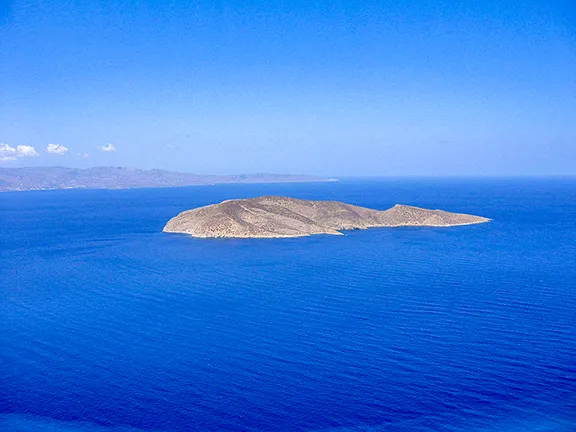
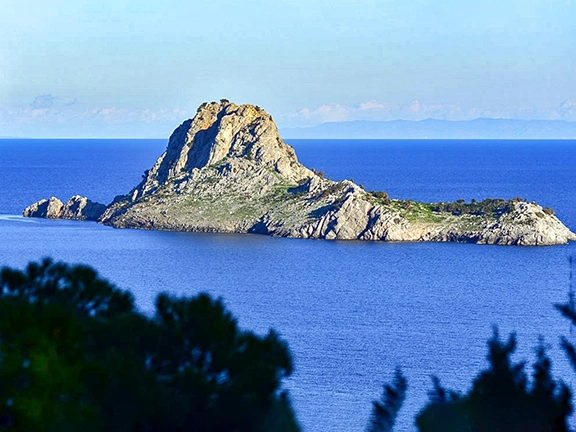
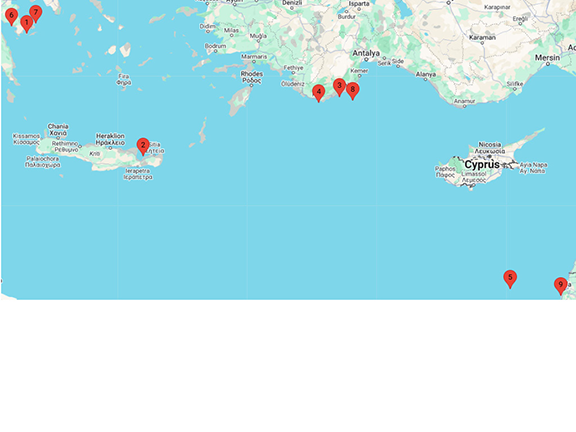
Where were the wrecks found?
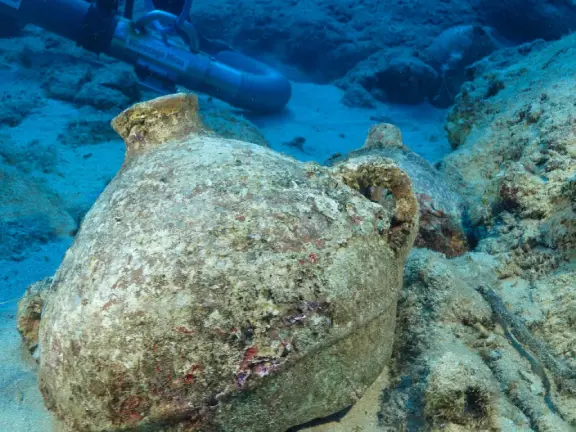
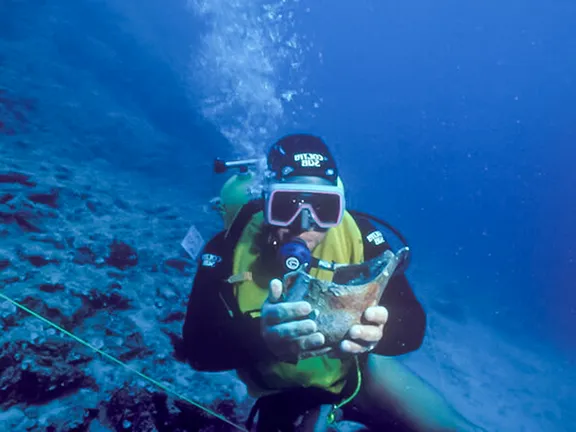
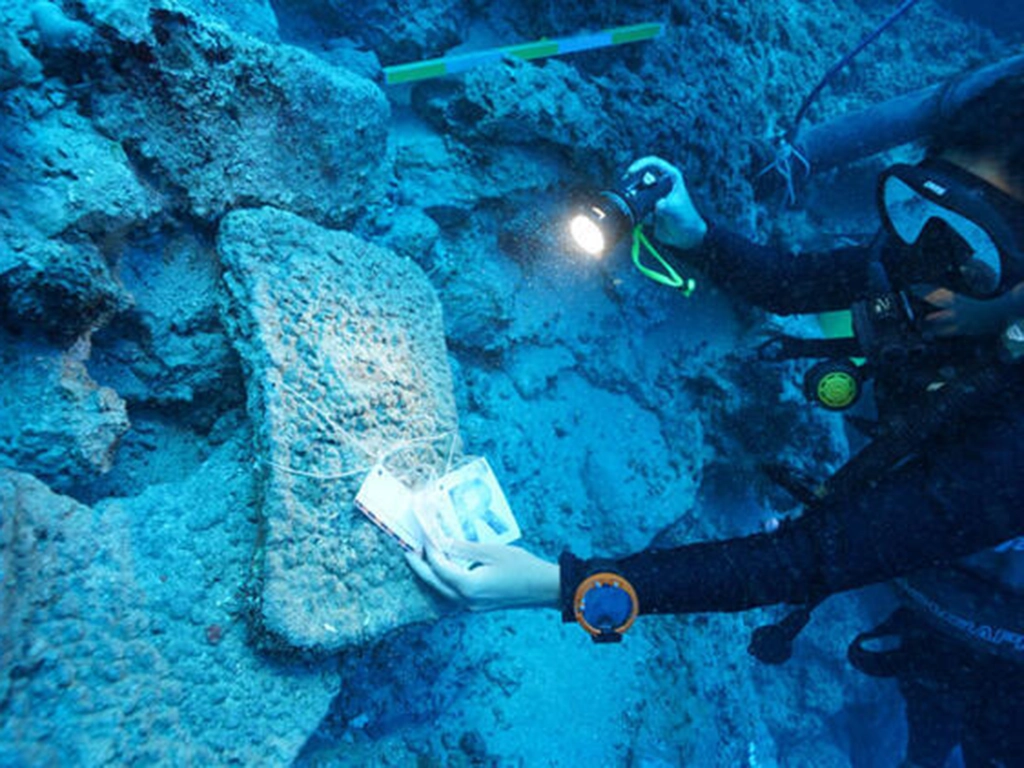
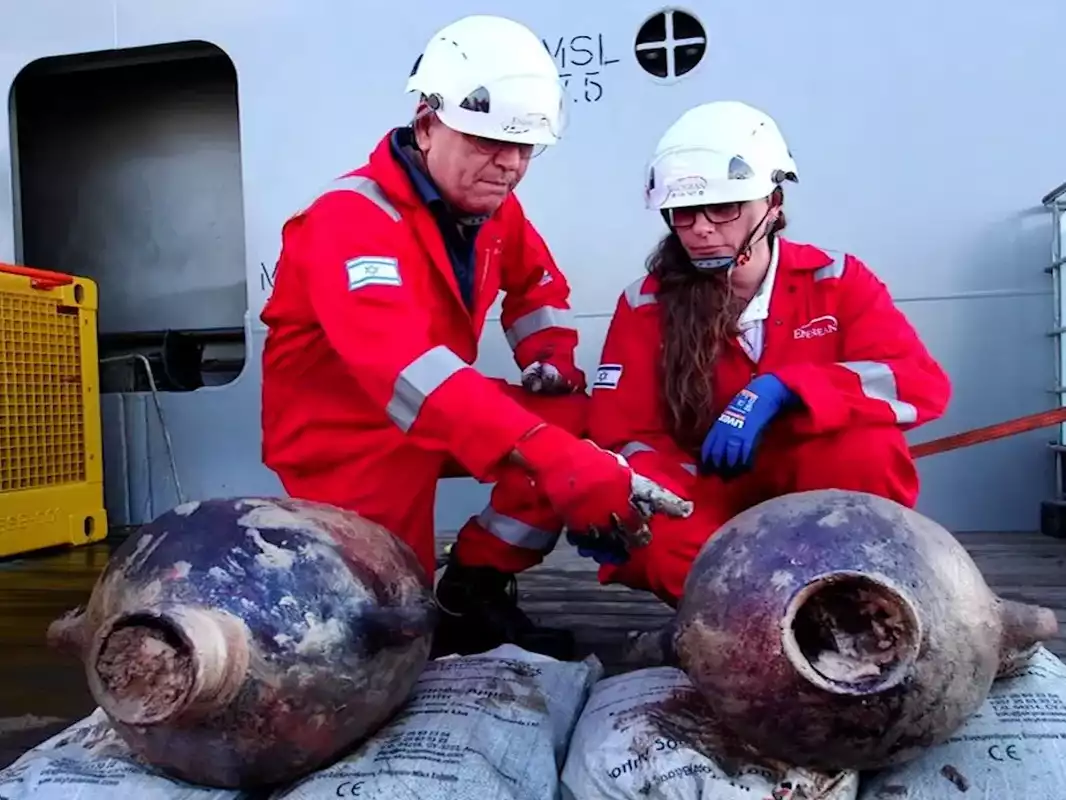
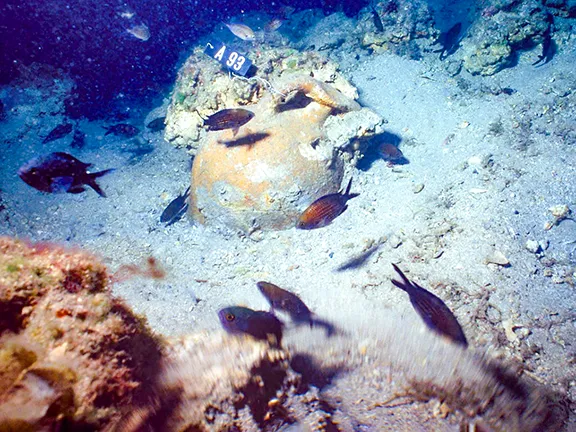
About the wreck sites
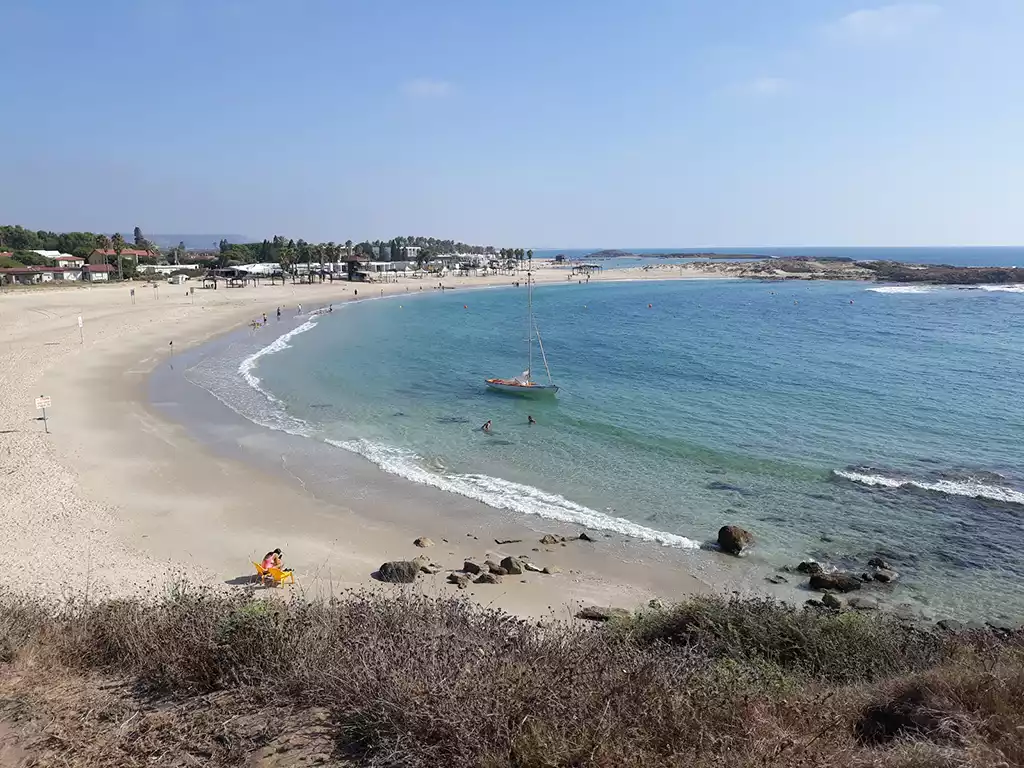
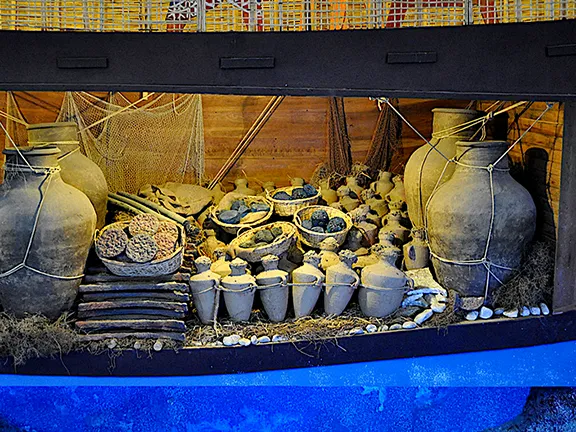
What were the ship's cargoes?
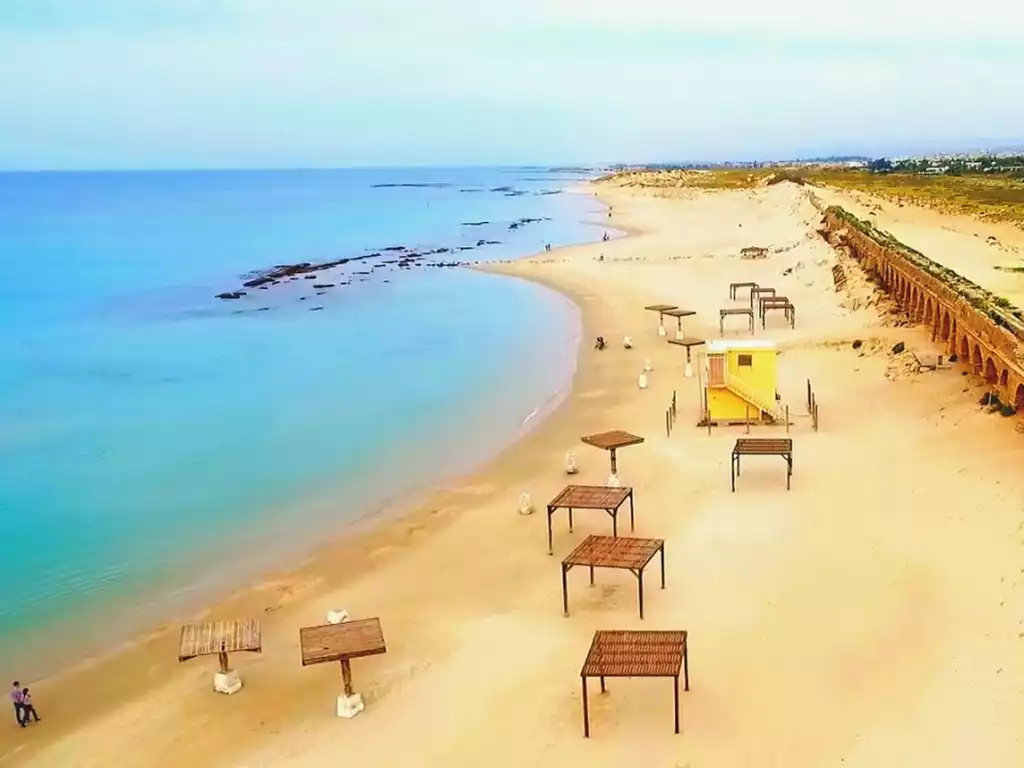
The cargo from Hahotrim, included fragments of oxhide copper ingots and lead ingots.
Kfar Samir south contained lead and tin ingots.
Kfar Samir north, contained fragments of oxhide copper ingots and bronze spatter. A number of round lead ingots were apparently retrieved from the Kfar Samir north site by a fisherman and were sold for scrap.
The Neve Yam wreck contained 86 copper loaf-shaped ingots. A single loaf-shaped copper ingot, very similar to the ones from Neve Yam, was found in the Akko Harbor.
The Caesarea wreck contained four lead ingots.
Where did the cargoes come from?
The lead ingot from the Hishuley Carmel wreck was analysed using a combined approach of tin and lead isotopes together with trace elements to narrow down the potential sources of the tin. The results of the study were published in the journal Nature Communications in 2022. The study found that the tin ingots from Hishuley Carmel were most likely sourced from the tin mines of Cornwall and Devon.
Both the copper ox-hide ingots from the Hishuley Carmel wreck were tested, and the results indicate that the lead-isotope composition of one of the ingots matches that of the ores at Apliki in Cyprus. The copper of the second ingot appears to have been extracted from Skouriotissa, which is not far from Apliki.
Following chemical and lead isotope analyses of the copper ingots from the Neve Yam wreck, their origin was traced to the Arabah mines, in particular, the Timna valley mines. The Timna valley is in southern Israel and its rich copper deposits have been mined since the 5th millennium BC. Incidentally, the Timna valley is also the location of the earliest camel bones with signs of domestication found in Israel or even outside the Arabian peninsula, dating to around 930 BC.
As for the Caesarea wreck, lead isotopic ratios measured for the four ingots, regardless of differences in shape and size, are very similar, suggesting that they were all made of the same lead ore. When compared to isotopic data from the Mediterranean region and Iran, the Caesarea samples are highly consistent with lead ores from the southwest of Sardinia at Iglesiente, and, to a lesser degree, with ores from southern France and Iberia.
When did the wrecks sink?
The Hittite like axes from the Hishuley Carmel wreck indicate a date of sinking after 1600 BC.
References
Artzy, M. 2006 'The Carmel Coast during the Second Part of the Late Bronze Age: A Center for Eastern Mediterranean Transshipping.' Bulletin for the American Schools of Oriental Research 343: 45-64.
Broodbank, C. 2013 The Making of the Middle Sea: A History of the Mediterranean from the Beginning to the Emergence of the Classical World. London: Thames & Hudson.
Galili, E. 'A Late Bronze Age Shipwreck with a Metal Cargo from Hishuley Carmel, Israel.' International Journal of Nautical Archaeology 42 (1): 2-23.
Wacshmann, S. 2008 Seagoing Ships and Seamanship in the Bronze Age Levant. College Station: Texas A&M University Press.
https://www.sciencedirect.com/science/article/abs/pii/S2352409X21005332