Iron Age Shipyards, Harbours and Emporia in the Mediterranean
The eastern Mediterranean maritime trading networks of the Bronze Age fractured following the disruption of the Bronze Age collapse. Many of the major maritime trading hubs in the Levant, such as Ugarit (destroyed between 1190 – 1185 BC), Ashkelon and Ashdod (both destroyed about 1190 BC), had gone. In Anatolia, Troy and Miletus were burned between 1190 and 1180 BC. In the Aegean, Tiryns and Pylos suffered a similar fate about 1190 and 1180 respectively. On Cyprus, Kition was destroyed about 1200 BC, Enkomi was abandoned about 1190 BC and Hala Sultan Teke followed suit about 1150 BC.
Survivors of the collapse, Byblos, Tyre, Sidon and Arvad on the modern Lebanese coast and Athens, Asine and Lefkandi in the Aegean would emerge during the Iron Age as nuclei of traders who would spread across the Mediterranean from east to the far west establishing trading posts, colonies and emporia. On Cyprus, Kition now under new management, bounced back soon after the collapse to provide that vital link between the copper mines and the Levant.
1: From Trading Post to Emporion
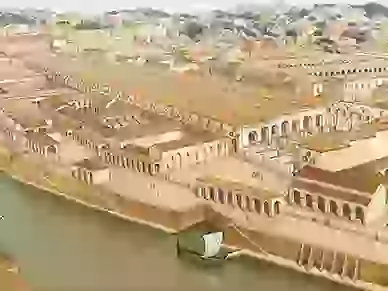
The words trading post, colonies and emporion are sometimes loosely used in the context of the ancient maritime trading ...
Read the article »2: Lechaion, Greece. c 1381 BC – c 600 AD
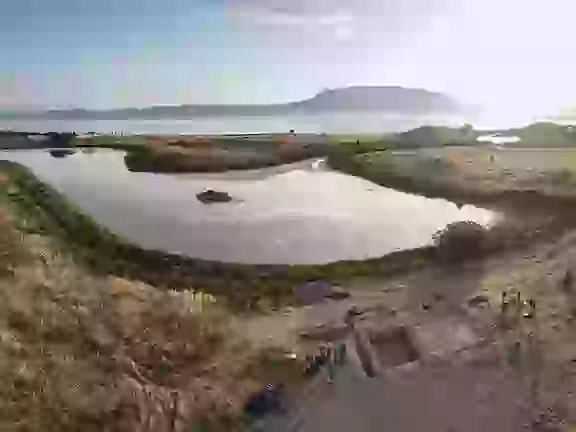
Ancient Corinth had two massive, highly engineered port cities (Kenchreai and Lechaion) that were eventually swallowed b...
Read the article »3: Rhodes in the Iron Age
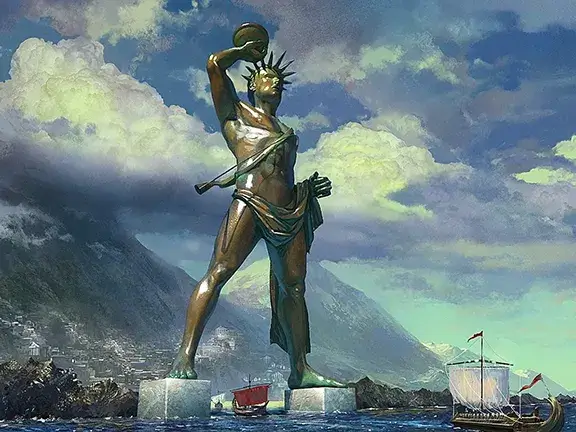
How Iron Age Rhodes transitioned from fragmented Dorian poleis to a Hellenistic maritime power, driven by trade, synoeci...
Read the article »4: Miletus c. 1050 BC-c. AD 400
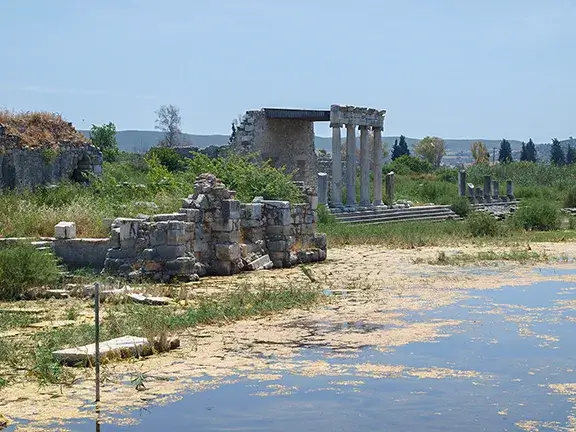
Although destroyed during the collapse of the Bronze Age, Miletus was in too strategic a position to stay down. By 800 B...
Read the article »5: Dana Island, Turkey c 800 BC - 700 AD
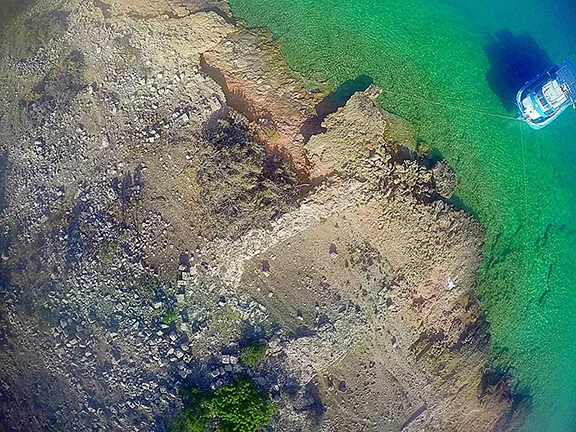
The archaeological discoveries on Dana Island, located off the coast of Rough Cilicia (modern-day southern Turkey), have...
Read the article »6: The Greek Emporion of Thonis-Heracleion
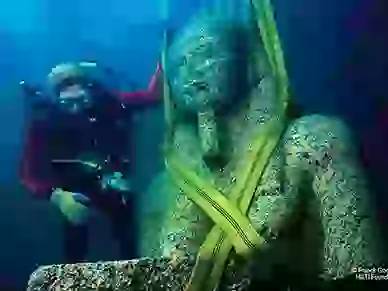
Before the foundation of Alexandria in 331 BC, Thonis-Heracleion was the obligatory port of entry to Egypt for all ships...
Read the article »7: Kenchreai, Greece, c 600 BC - 650 AD
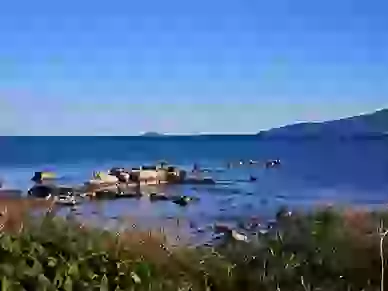
Ancient Corinth had two massive, port cities, Kenchreai and Lechaion on either side of the Isthmus of Corinth. The two p...
Read the article »8: The Greek Emporion of Naukratis
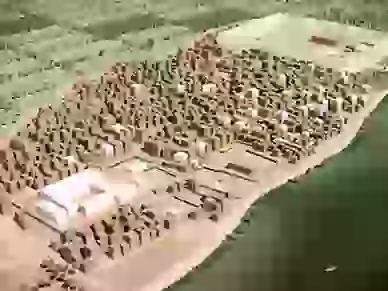
Until the discovery of Thonis-Heracleion in 2000 AD, Naukratis was considered the first Greek colony in Egypt. Naukratis...
Read the article »9: Canopus in Ancient Egypt
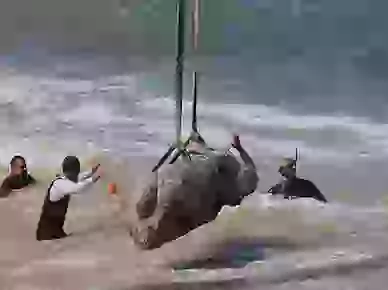
Revealing the lost city of Canopus, an ancient port and religious centre submerged in Abu Qir Bay. Learn about its link ...
Read the article »10: The Greek Emporion of Empuries
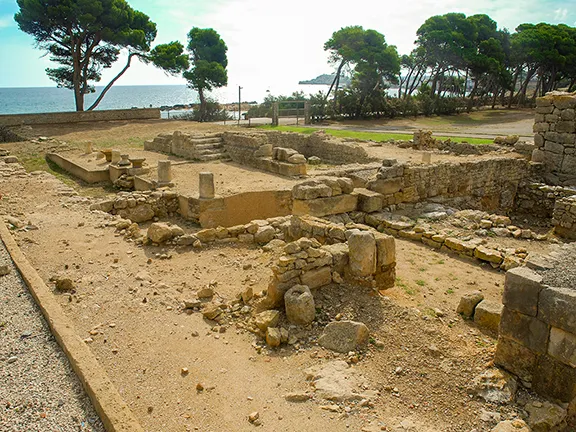
Empuries is an ancient archaeological site on the Mediterranean coast of Catalonia, Spain. It is located within the Cata...
Read the article »11: Zea Shipyards, Greece c 483 – 86 BC
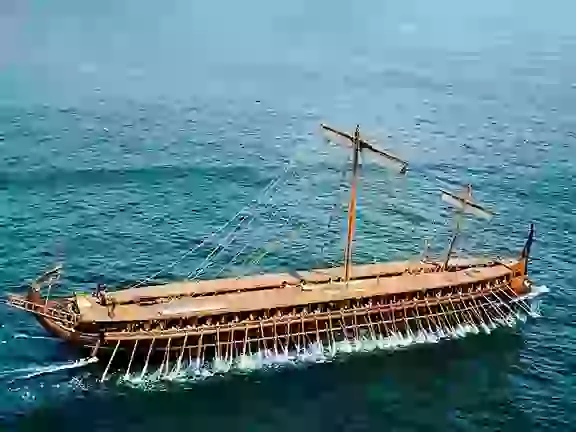
It is difficult to say which is the most impressive feat, building a fleet of over 200 triremes or the dockyards that su...
Read the article »12: Oiniades, Greece c 400 – 200 BC
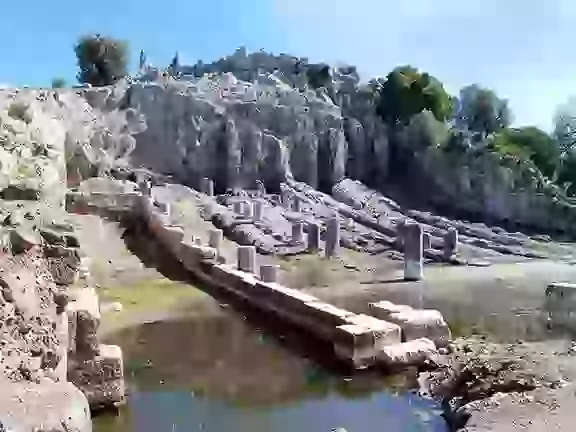
Oiniades, famous for its rock cut docking facility, was a Greek naval base during the Classical and Hellenistic periods ...
Read the article »13: Delos, Greece 167 – 69 BC
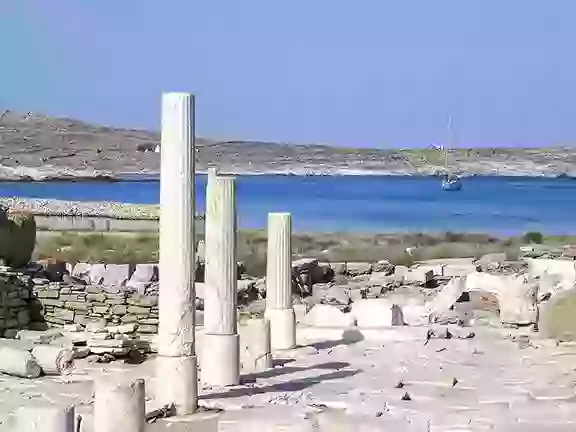
How the sacred island of Delos transformed into a bustling Hellenistic and Roman emporion. Its ancient harbours became t...
Read the article »