Ancient Mediterranean Shipyards and Harbours
Since no remains of any boats dating to the early part of the Mesolithic have been discovered we have to surmise that they were either fire hollowed dugout canoes, reed boats or skin and frame construction, all feasible with the technology of the time. Such boats would have been constructed as and when needed in sheltered bays. Maintenance would have also been carried out at disparate locations as required.
As ships became more sophisticated and standardised, special facilities, shipyards, were needed. The early shipyards may have been no more than slipways, but they were locations where materials could be amassed, skilled artisans could build ships, launch them, and, when necessary, draw them from the water in order to repair them.
The emerging Bronze Age civilisations in the eastern Mediterranean and Middle East, the Minoans, Mycenaeans, Hittites, Assyrians, Mitanni, Babylonia, Elamites, Cypriots, Canaanite city states, and Egypt, created an enormous demand for status goods from foreign lands.
As trade increased throughout the Mediterranean, so too did the need for sheltered docking and cargo handling facilities, in other words ports and harbours. Favoured coastal sites such as at Ugarit, Ashkelon and Ashdod in the Levant, Troy and Miletus in Anatolia, Tiryns and Pylos in the Aegean, and Kition, Enkomi and Hala Sultan Teke on Cyprus, developed into maritime trading centres, some would argue emporia. Sea going merchants of all nationalities were creating a new middle class and getting rich in the process.
Although not strictly in the Mediterranean, the oldest shipyards and harbours in the world are to be found on the shores of the Red Sea. The Egyptians had such a huge influence on maritime engineering and ship design in the Mediterranean theatre that it would be remiss to omit these foundational sites.
1: Troy, c. 3000 BC – c. 1180 BC
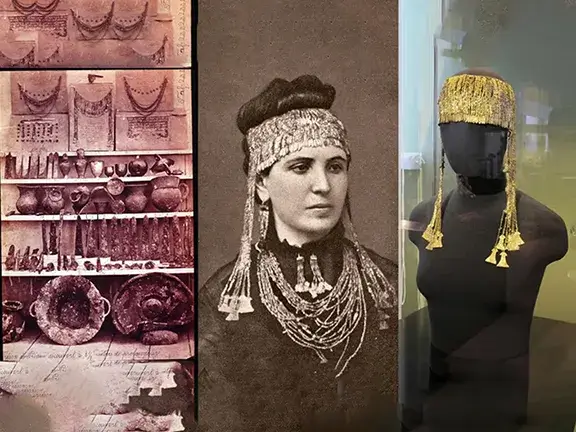
Was Troy just a myth? Explore the archaeological evidence, Hittite treaties, and Bronze Age trade networks that made the...
Read the article »2: Egypt's Wadi al-Jarf c 2600 - 2560 BC
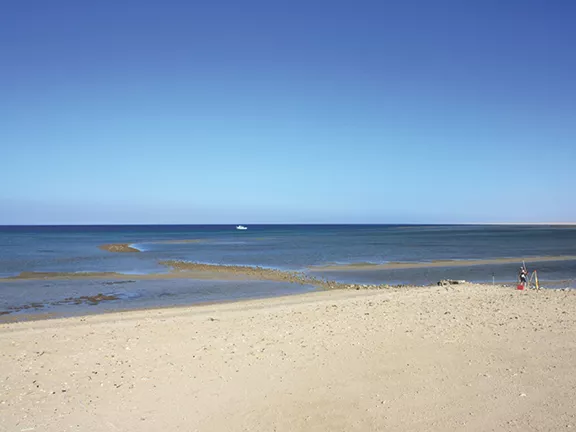
Wadi el-Jarf, the world's oldest known artificial harbour, was briefly used during the late Fourth Dynasty (c. 2600 BC) ...
Read the article »3: Egypt's Ayn Soukhna c 2500 - 1850 BC
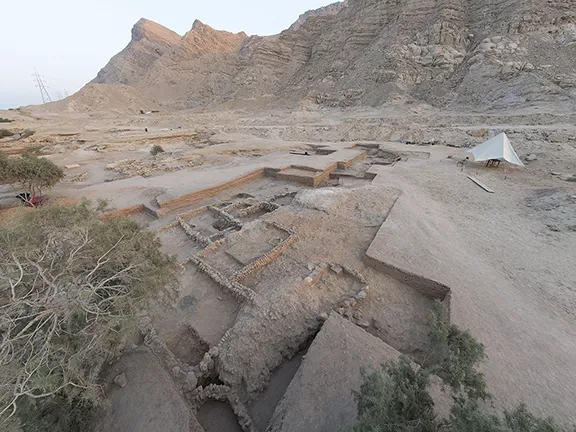
Ayn Soukhna replaced Wadi al-Jarf as ancient Egypts premier Red Sea port. Read about the advanced metallurgy, arsenic al...
Read the article »4: Ugarit, Syria c 2400 – 1185 BC
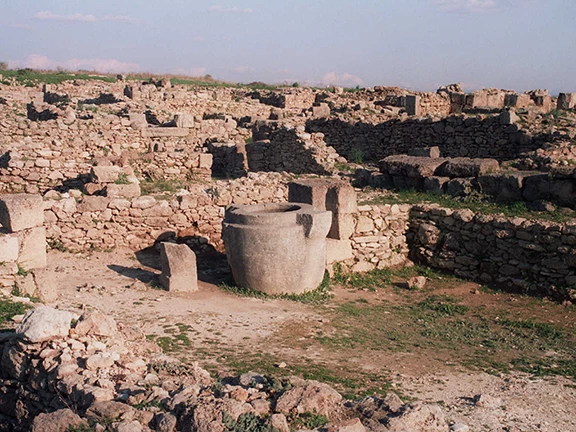
Ugarit, the world’s first Emporion, had its own transactional law, wrote a new language, and treated women as equals....
Read the article »5: Lefkandi after c. 2400 BC
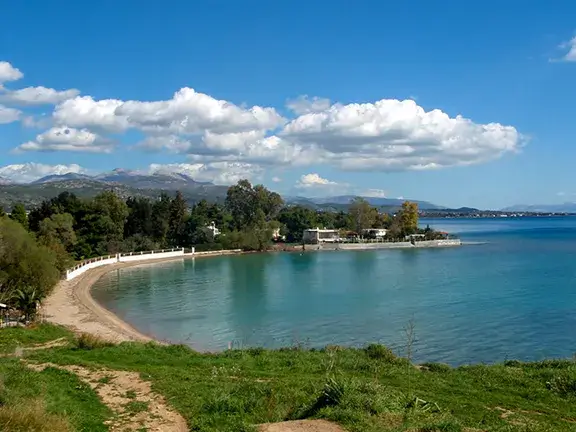
Discover how Lefkandi-Xeropolis leveraged trans-Aegean metal networks and local resilience to survive Bronze Age climate...
Read the article »6: Egypt's Mersa/Wadi Gawasis c 2000 - 1500 BC
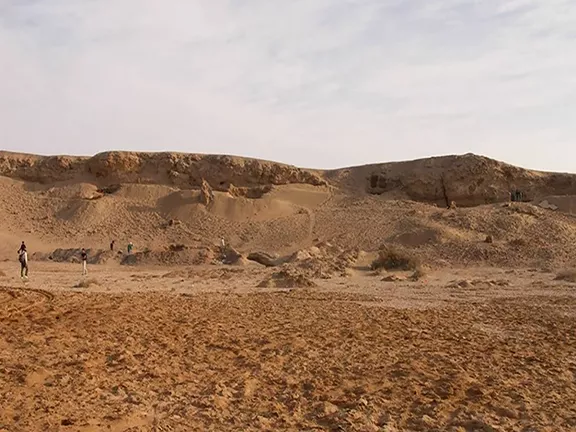
Mersa Gawasis was an active port from the Middle Kingdom into the New Kingdom. Unlike Ayn Soukhna, it was used for long-...
Read the article »7: Miletus, c. 2000 BC – c. 1200 BC
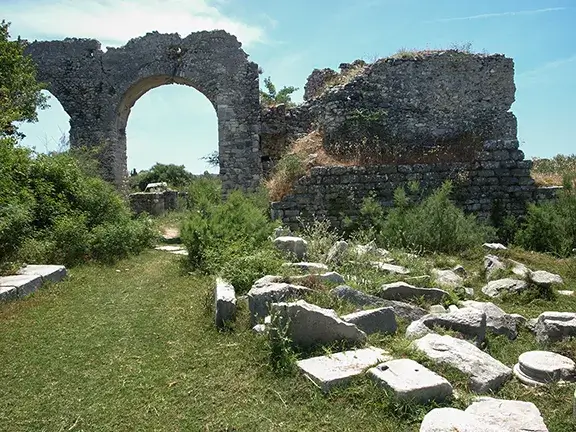
Bronze Age Miletus was a critical maritime nexus connecting Minoan, Mycenaean, and Hittite spheres, and its role in the ...
Read the article »8: Rhodes, c 1700 BC - 1200 BC
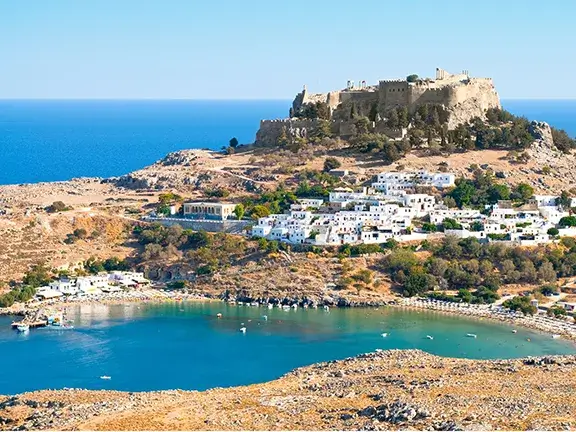
Rhodes developed as a major maritime trading centre through the Bronze Age and, with barely a deep breath, survived the ...
Read the article »9: Hala Sultan Tekke, Cyprus 1650 - 1150 BC
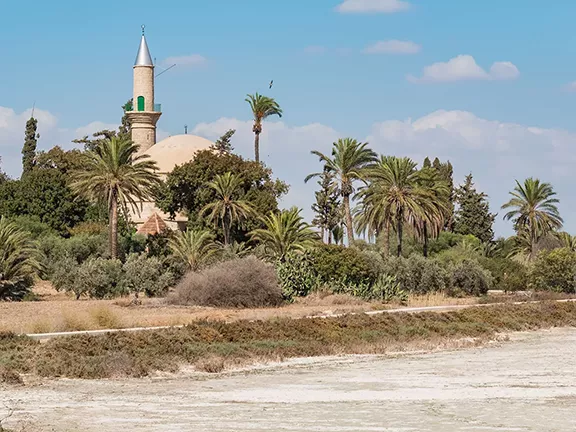
The Late Bronze Age settlement of Hala Sultan Tekke, near the modern Larnaca Salt Lake on Cyprus’s south-eastern coast...
Read the article »