Nick Nutter and ancient petroglyphs representing in-depth historical articles

The Formative Mediterranean (c 3500 to c. 1200 BC)

This period looks at the rise of the Great Kings and Bronze Age Civilisations of the Middle East through to their eventual demise.

Ancient Trade Routes in the Mediterranean

~ published:
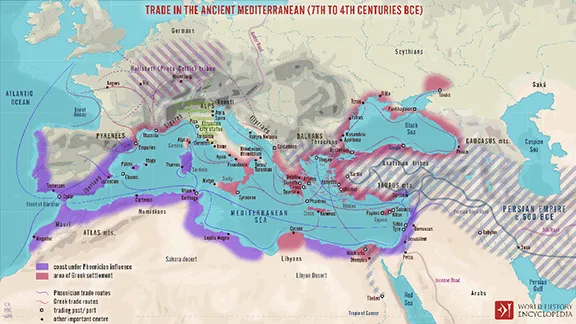
The Mare Nostrum, or Mediterranean Sea, was the centre of the world until Europeans arrived in the Americas in the late 15th century AD. From the earliest incursions into the Mediterranean area, humans have created exchange and later trade routes in order to survive. These spider's webs of...

See the articles »
Bronze Age Shipbuilding in the Mediterranean

~ published:

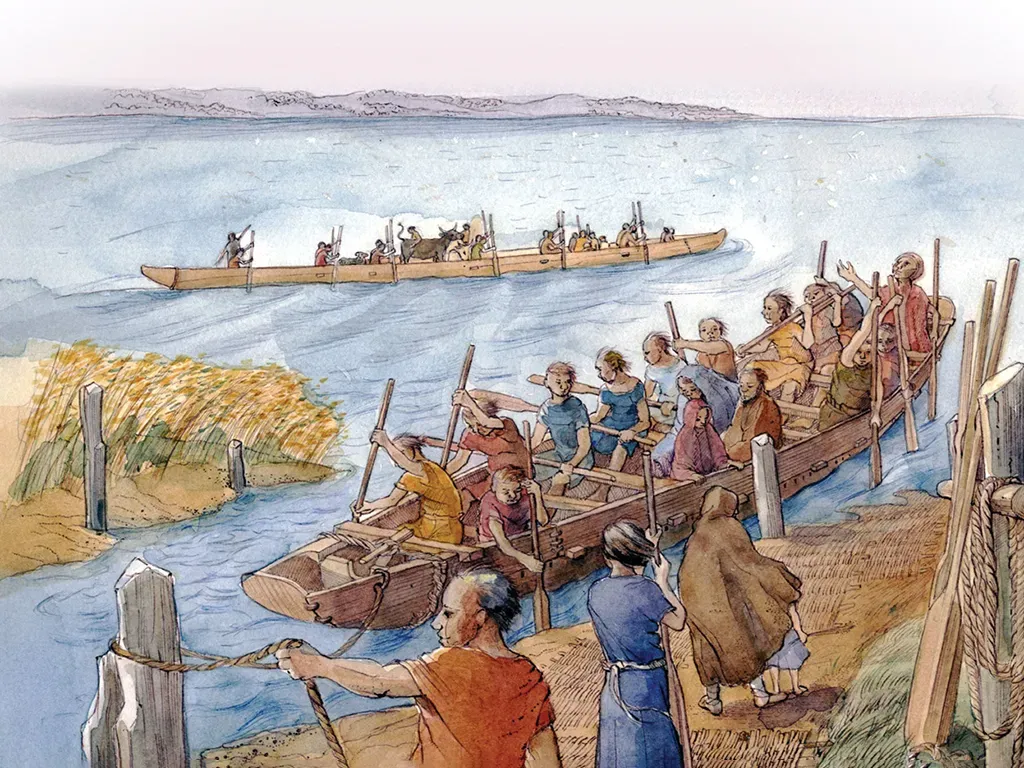
During the Bronze Age, maritime activity in the Mediterranean Sea burgeoned as the emerging elites and powerful states demanded more resources from outside the boundaries of their empires.

Not surprisingly, ships carrying those resources increased in size, carrying capacity and...

See the articles »

Ancient Mediterranean Shipyards and Harbours

~ published:

Since no remains of any boats dating to the early part of the Mesolithic have been discovered we have to surmise that they were either fire hollowed dugout canoes, reed boats or skin and frame construction, all feasible with the technology of the time. Such boats would have been constructed as and...

See the articles »

Bronze Age Shipwrecks in the Mediterranean Sea

~ published:

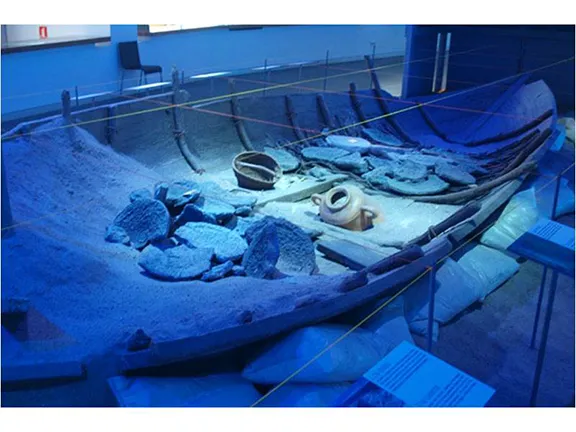
The Mediterranean Sea has been a crossroads of human civilization for millennia, and the many shipwrecks that lie on its bottom are a treasure trove of information for archaeologists. These wrecks can tell us about the ships themselves, the cargo they were carrying, the people who built and sailed...

See the articles »

Civilisations that Collapsed

~ published:

Towards the end of the Bronze Age, traditionally dated at 1200 BC, the civilisations that had emerged over the previous millennia in the Middle East collapsed.

This series of articles questions whether the disappearance of those civilisations was as a result of a 'collapse' or whether there...

See the articles »