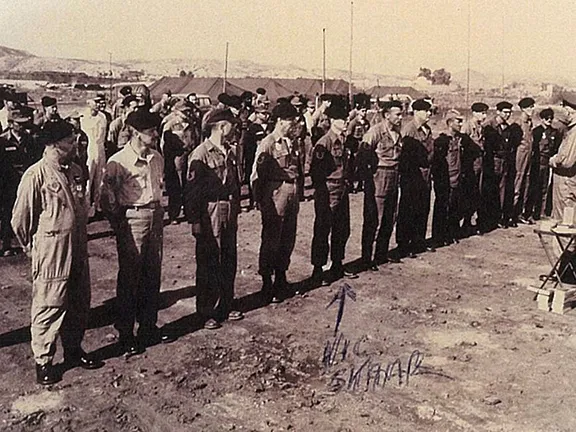
The term "Broken Arrow" was established in the early years of the U.S. nuclear weapons program to serve as a code word to indicate such events without revealing the true nature of the incident. It was part of the Atomic Energy Commission's (AEC) Emergency Capability for Immediate Response (ECIR) system, designed to handle nuclear accidents with maximum security and minimal public panic.
Contents
Broken Arrow
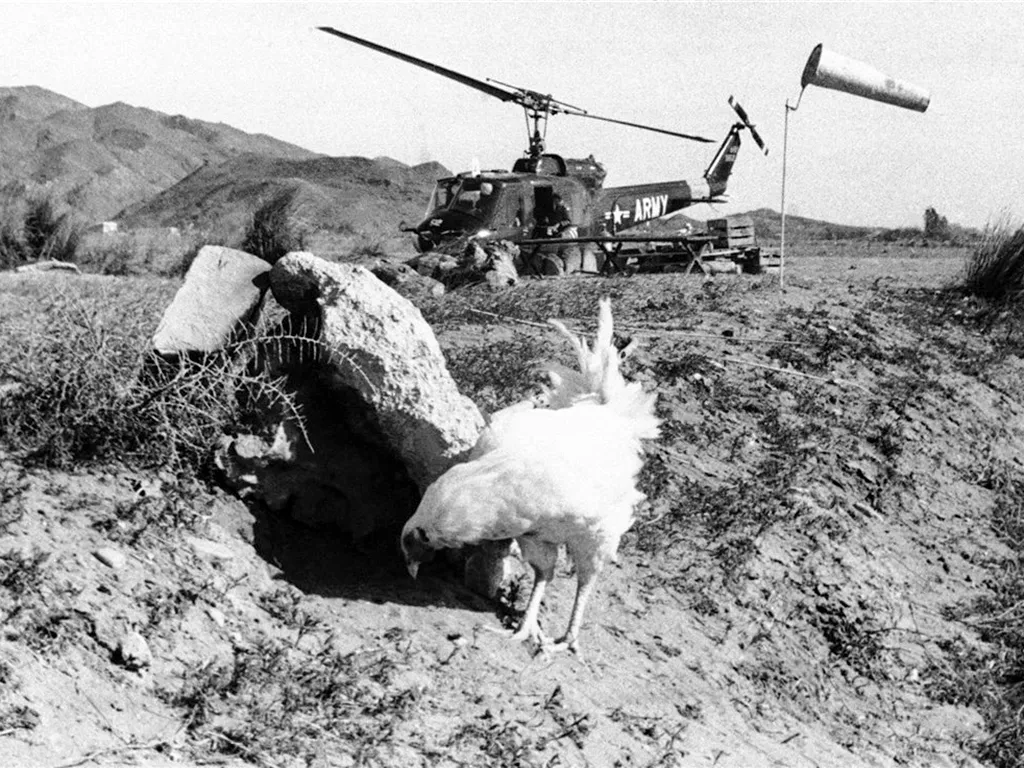
Since 1950, there have been 32 nuclear weapon accidents, known as "Broken Arrows." A Broken Arrow is defined as an unexpected event involving nuclear weapons that result in the accidental launching, firing, detonating, theft, or loss of the weapon. To date, six nuclear weapons have been lost and never recovered.
Palomares Summary Report - 1975
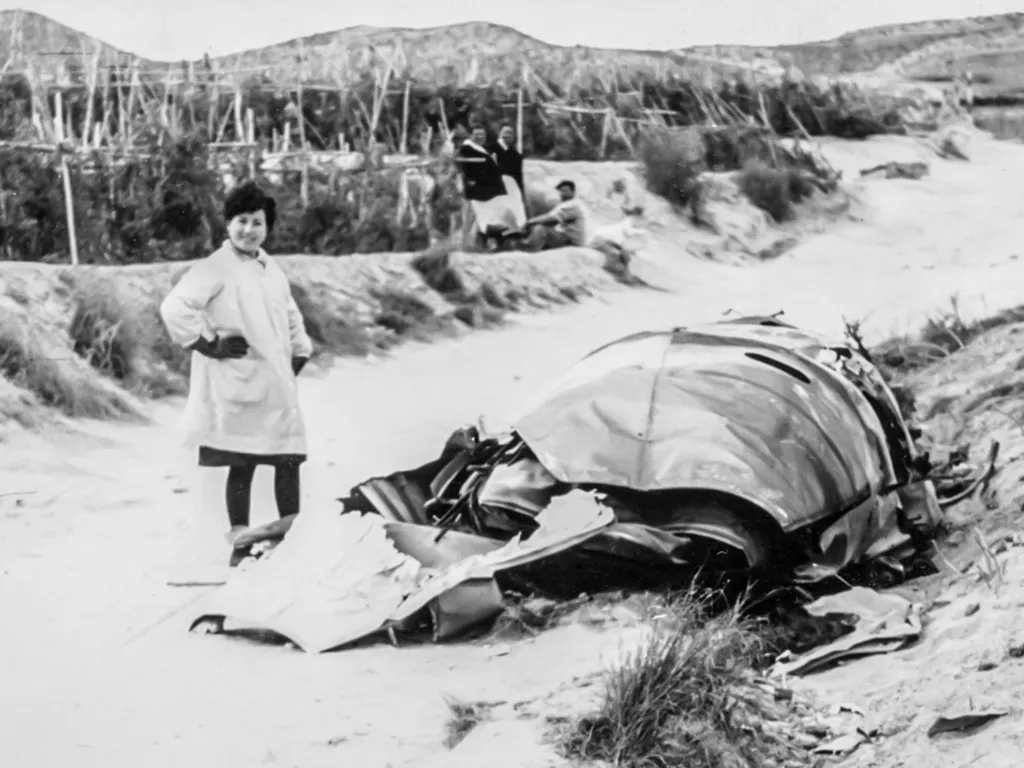
Field Command Project Officers, CDR W. M. Place, Col F. C. Cobb, Lt Col C. G. Defferding of the Field Command Defense Nuclear Agency Technology and Analysis Directorate Kirtland Air Force Base, New Mexico, investigated the Palomares Incident and reported in 1975.
Initiating Broken Arrow
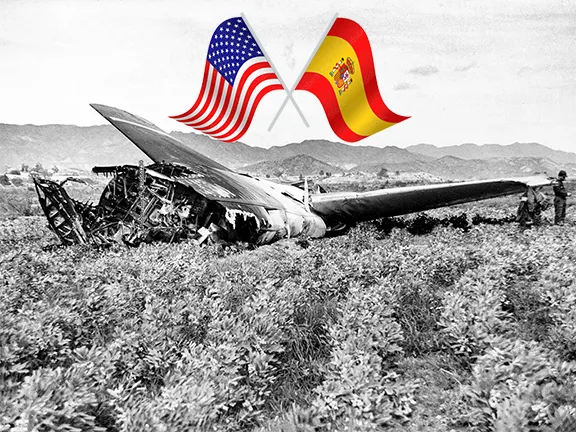
The first reports of the Palomares Incident were received by the Commander of 16 Air Force, Major General Delmar Wilson at Torrejon within minutes of the accident on the morning of the 17th of January, 1966. He passed the information to Major General Donald W. Eisenhart of the Strategic Air Command (SAC) at Offutt air force base in Omaha, Nebraska who immediately initiated the "Broken Arrow" response system.
First Responders
The Disaster Control Team from Torrejon was alerted and prepared to travel to the scene. The same morning Major General Wilson and three members of his staff departed Torrejon by T-39, a twin-jet, multipurpose aircraft, (the North American Aviation Sabreliner was designated the T-39 by the U.S. Air Force and Navy) and surveyed the accident site from the air, landing at San Javier air base in the early afternoon. At the same time a Boeing C-97 Stratofreighter, a long-range heavy military cargo aircraft, departed Torrejon with 33 members of the Disaster Control Team and three accident investigation personnel and arrived at San Javier ten minutes after the T-39 landed. An H-43, otherwise known as the Kaman HH-43 Huskie helicopter, from the Torrejon rescue unit and a Douglas C-54 Skymaster carrying jet fuel to support the H-43 were the last aircraft into San Javier on the first day.
At 1.21pm (local Spanish time) on the 17th of January, a Disaster Control Team under Major General A. J. Beck, Deputy Chief of Staff, Materiel, SAC, left Omaha arriving at San Javier shortly before 2am, on the 18th of January, and arrived at the accident scene at 7.30am.
At 12.25pm on the day of the accident, the Joint Nuclear Accident Coordinating Centre (JNACC) at Sandia Base (now Kirtland Air Force Base), New Mexico, received word of the accident. JNACC is a joint Department of Defense/Atomic Energy Commission (DOD/AEC) organization charged with coordinating assistance for recovery from nuclear accidents. Its files contain information covering status and capability of DOD and AEC accident response teams throughout the world. In addition it has ready access to the technical capabilities of the atomic community centred in Albuquerque, New Mexico. The Air Force Nuclear Safety Directorate at Kirtland AFB advised JNACC that a team of four of their staff had air transport to Spain and offered space for other response personnel. Representatives of JNACC, Los Alamos Scientific Laboratory and Sandia Corporation were alerted and departed Albuquerque on the aircraft at 7.00pm on the 17th of January. Los Alamos Scientific Laboratory and Sandia Corporation are organizations which develop atomic weapons under contract to the USAEC.
Official Contacts with Spanish Government
As the official contact between the United States Air Force and the Government of Spain, the Joint United States Military Group (JUSMG) was notified of the accident at once. Chief of the JUSMG, Major General Stanley J. Donovan, called on the Spanish Air Minister and on General Augustin Munoz Grandes, Chief of the Spanish General Staff, informing them of the accident, and then proceeded by plane to San Javier.
The United States Embassy in Madrid was notified by the Torrejon Command Post. The Ambassador, Angier Biddle Duke, on being advised, proceeded to the Spanish Foreign Office and reported the available details to the Spanish authorities.
The Spanish-American Agreement
The Spanish-American Agreement in existence then, defining responsibilities in case of an aircraft accident, provided:
"In case of accident occurring to United States military aircraft or to air carriers which operate under contract to the United States Government, the Spanish and United States authorities will cooperate in the adoption of rescue measures with primary responsibility belonging to the United States authorities. Measures to take charge of and remove the damaged aircraft and its technical equipment are the responsibility of the appropriate United States authorities. Spanish military or police forces shall have primary responsibility for the external security of such damaged aircraft; however. United States military forces, if first on the scene, may assume the responsibility pending the arrival of Spanish military or police forces."
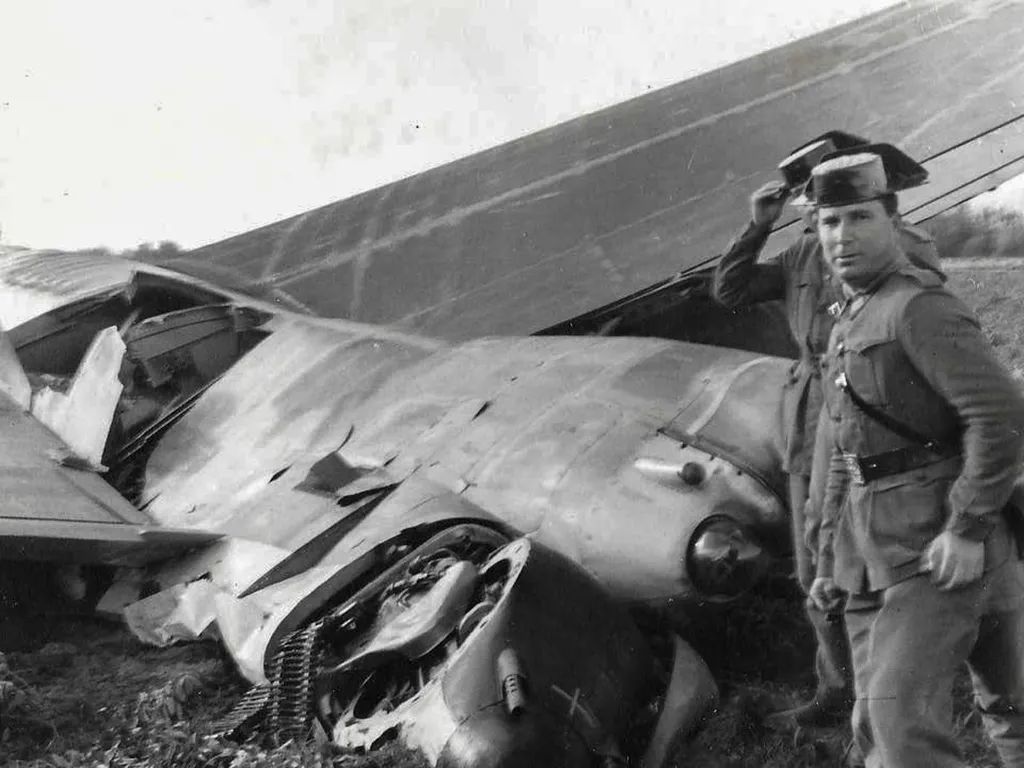
Spanish Guardia Civil personnel were the first government representatives on the scene. They began immediately to secure the area and continued to perform in that and similar capacities for the duration of the recovery operation.
By the evening of the day of the accident, 17 January, 49 U.S. personnel had arrived at Palomares. That number would increase in the days that followed to more than 650 at the accident site. The tone of the recovery operation was set when President Johnson, while breakfasting in his bedroom at the White House, was advised of the accident and that the situation involved four thermonuclear weapons. He phoned the Secretary of Defense, and after checking on the danger of a nuclear detonation, instructed that we should "do everything possible to find them." He was presumably more concerned with the bombs than the aircrews or local population.
Establishing Priorities
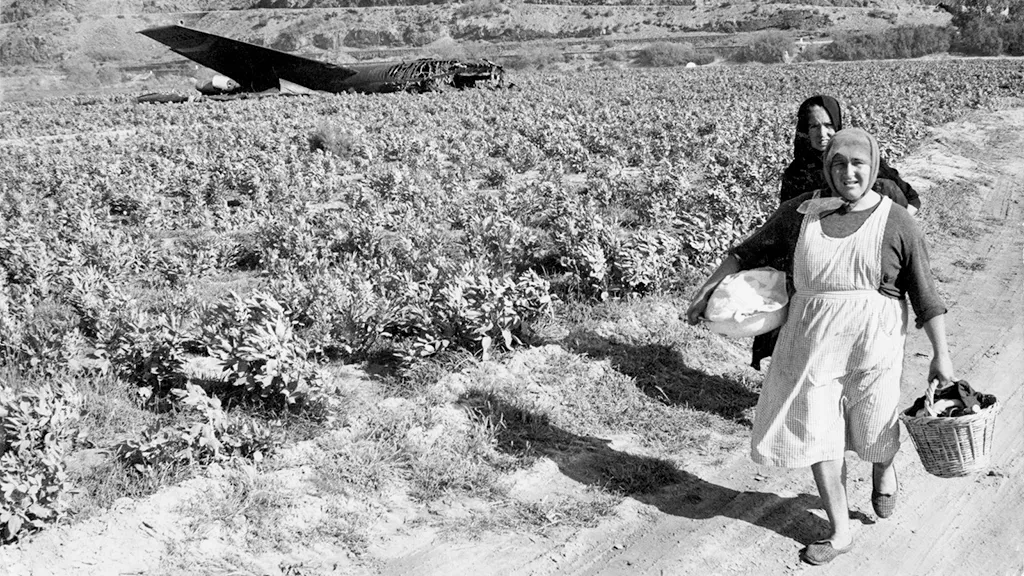
As the first Americans arrived in Palomares, the priorities of the task before them were fairly obvious. First, there was concern for people, crew members of the aircraft and residents of the village. After Major General Wilson had seen to the condition of the surviving airmen in Aguilas and the remains of the deceased in Cuevas, he was assured by local authorities at Palomares that no injuries had been sustained by the populace.
Initial Radiation Surveys
Some members of the response force had performed initial radiation surveys, predominantly around the areas of major wreckage. These surveys indicated that there had been no nuclear explosion. Somewhere, in the gathering darkness, four nuclear weapons had to be located.
Recovery of the First Bomb
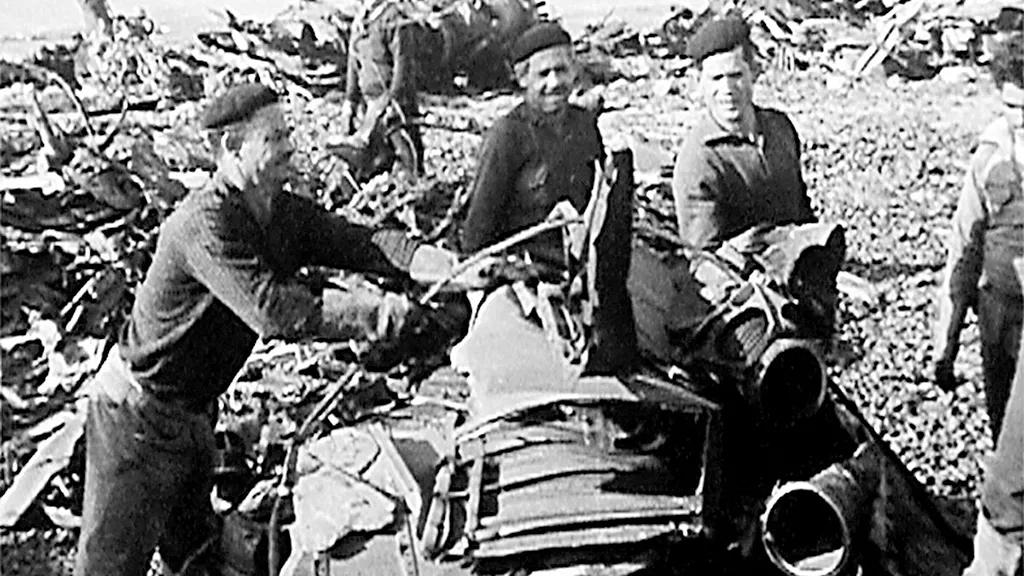
There were many stories to be told by the Spaniards who had seen parachutes with projectiles attached, but there were few of the Americans who could understand the language. Just before dark, Sgt Ramond Howe, who had been conducting radiation monitoring of some of the wreckage, learned of a possible weapon from a member of the Guardia Civil.
That report led the team to its first find about 900 feet from the beach and southeast of the village. The weapon was only slightly damaged on impact. It apparently had fallen against a soft, high bank and rolled to the bank's base. Radiation checks were negative. The team decided to leave render-safe procedures until morning as it was now too dark to accomplish the task. Render-safe refers to the procedures employed to insure that a weapon's firing system is disarmed.
Air Force guards were posted at the weapon.
Recovery of Bomb 2
Darkness and the rugged terrain in another search area a mile west of the village made it necessary to postpone this search until morning.
At first light, the small force gathered at the B-52 tail section which was to be used as a command post. All available personnel were pressed into the search effort. By 9.30am the second weapon was located. Number 2 turned out to be the bomb that had evaded location the previous evening. Unlike Number 1, however, Number 2 had been substantially damaged upon impact. Part of the weapon's high explosive had detonated but as designed, no nuclear detonation had taken place.
Portions of the weapon were in a crater of about 20-foot diameter and 6 feet in depth. Other parts of the weapon assembly were found as far away as 100 yards. Weapon render-safe procedures were not required here. The primary concern with Number 2 was the plutonium contamination that must have been released by the high explosive detonation. Radiation detection equipment indicated the presence of significant alpha contamination in the area.
Recovery of Bomb 3
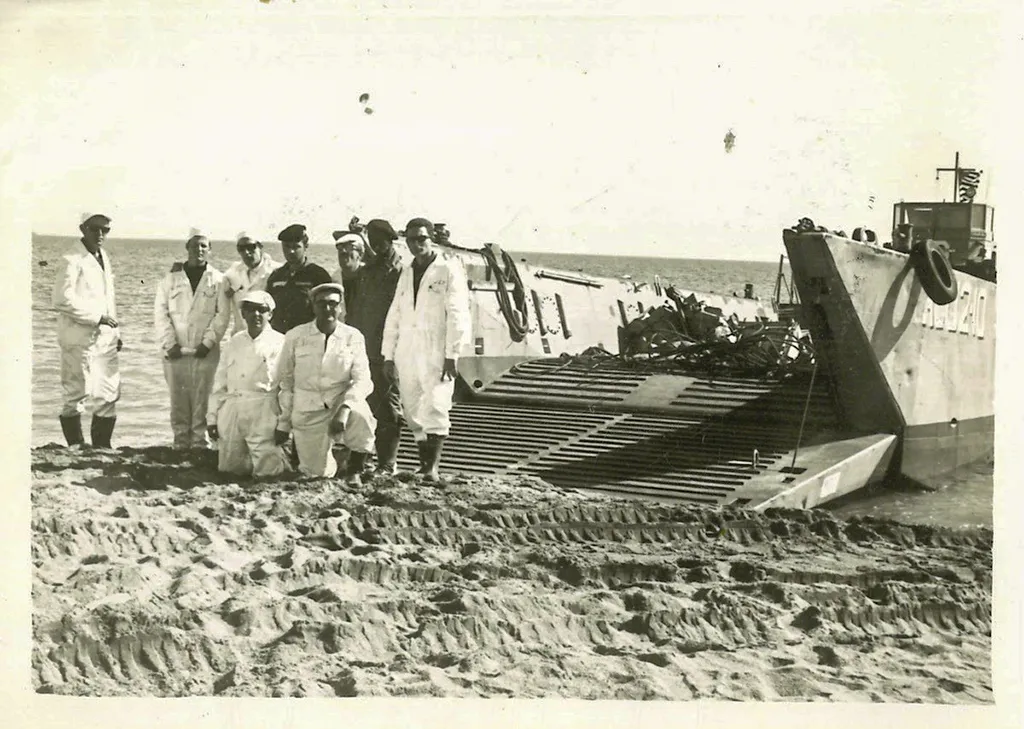
At approximately 1030 hours, one hour after Number 2 had been located, Number 3 was discovered within the limits of the village of Palomares. Its high explosive had also detonated but again there had been no nuclear detonation. Parts of the weapon were strewn to distances of 500 yards. Plutonium contamination was also present at this site.
Removal of the Three Bombs
Bomb Number 1 was lifted by helicopter and loaded on a truck. Debris from Numbers 2 and 3 were collected by Explosive Ordnance Disposal (EOD) personnel and boxed for shipment. Heavy debris could not be lifted by helicopter at bomb sites 2 and 3 because downdrafts caused by the craft's rotors would have caused spread of contamination. The packaged debris was trucked from Palomares to San Javier and flown to Torrejon on the 20th of January. There it was repacked, minimizing the opening of the temporary containers. Before the shipment was airlifted to Amarillo, Texas, it was used at Torrejon as a calibration source for an aircraft mounted radiation detection system. The shipment left Spain on the 30th of January 1966.
Search For Bomb 4
The basic problem was to analyse ballistic trajectory, define the search area, and locate the fourth weapon. At this stage it was still possible that the fourth bomb would be found on land. The search teams theorized that the B-52 and all weapons experienced deceleration as a result of the breakup of the aircraft. The tail cover assembly from Bomb 4 was found northeast of the B-52 tail area and in line with Bomb 2 and Bomb 3.
After the initial B-52/KC-135 collision, a rupture of one longeron occurred just aft of the B-52 trailing edge. The forward fuselage pitched downward with ultimate loads snapping the left wing off. The weapons were then tossed out. Bomb 2 was found with a major piece of the bomb rack still attached, and after theorizing, it was determined that high G-loading had occurred, causing the relatively massive weapons to separate at approximately 4 to 5 seconds after the initial longeron failure.
Bombs 1 and 3 apparently did not tumble, and they initiated chute deployment in the first few seconds after release, it was reasonably certain that Bomb 2 was tumbling when it fell. Bomb 1 was found with its chute intact and it did not incur any high explosive explosion.
Bomb 2 experienced a high explosive explosion. Case fragments and approximately 10 pounds of high explosive were found within 300 feet of its crater. Bomb 3 also had an explosion on impact, scattering approximately 80 pounds of high explosive and plastic within 100 feet of its crater. One fragment was found approximately 1500 feet from the crater.
The main effort of the search teams was now directed toward locating the missing weapon and sensitive documents and equipment. The search started from beyond the last known wreckage and worked toward the sea. Searching was conducted with personnel lined abreast, under the direction of three search leaders equipped with portable non-tactical radio units. A relay point for the radios was located atop a small peak in the vicinity of the Command Post. Each day search areas were laid out and instructions given to the personnel as to what type of equipment they were to look for.
Maintenance personnel and aircraft investigation and disaster control teams were on the search, mixed with other personnel, so that anything spotted could be duly noted, identified, and reported to the intelligence specialists for plotting on maps.
During the first week there were no adequate maps on which to plot each day's search. Existing maps from Spanish sources proved to be inaccurate and did not show the village of Palomares. On the 24th of January the first of the mosaics prepared from the 18 January aerial reconnaissance arrived, and serious plotting of wreckage impact points and search areas could then be done.
As photo mosaics became available, search areas became more definitive, and coverage could be more accurately determined without duplication of effort.
By now it was looking as though Francisco Simo Orts had indeed witnessed a bomb falling into the sea beneath a partially deployed parachute rather than a member of the crew ejecting from his doomed aircraft. The search for the fourth bomb moved offshore.