Mining in Andalucia

Spain's Black Country: The Lead Mining History of Jaen's Linares and La Carolina

A deep dive into Jaen's lead mining history, from Roman shafts to 19th-century British operations. Discover the Black Country of Spain in Linares and La Carolina.

By Nick Nutter | Published: 2025-03-11 | Updated: 2025-05-18

Visited 2,024 times

Jaen Mining: Linares Lead, Sierra Morena History & Roman Mining Heritage
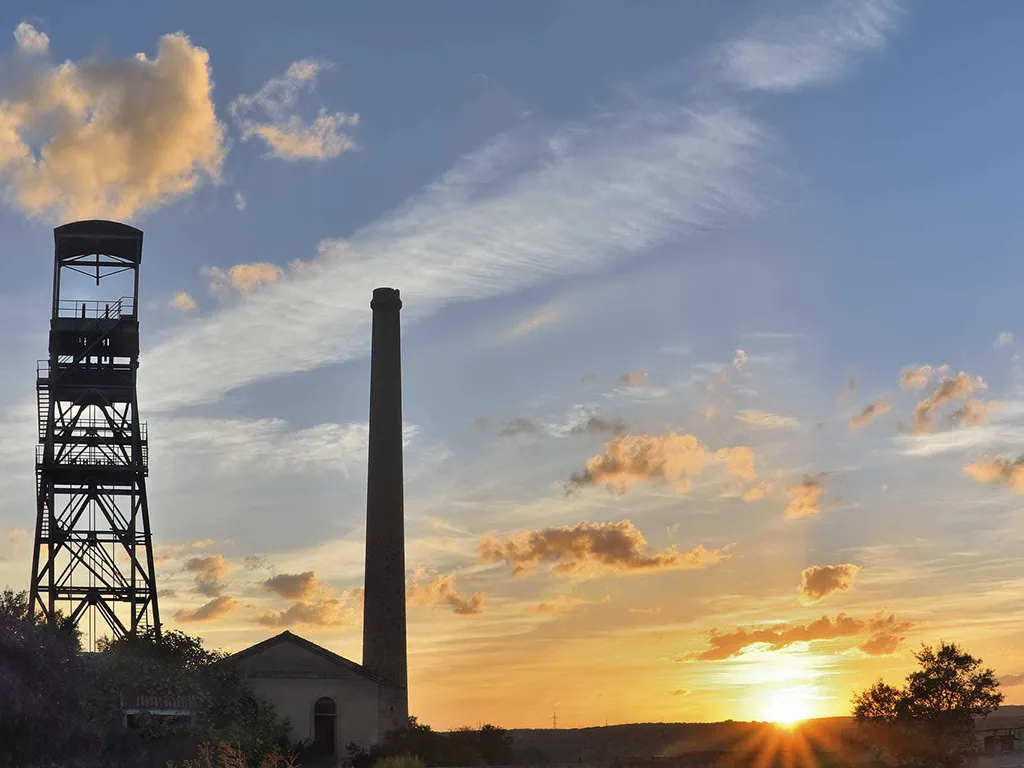
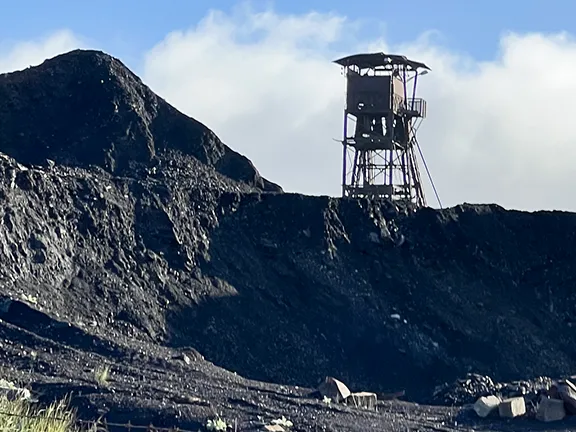
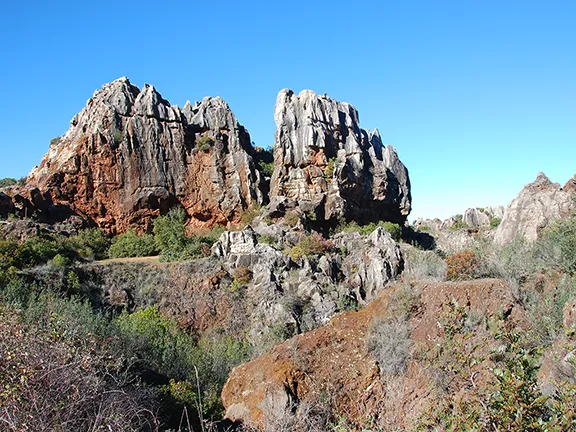
Spain's Black Country: The Lead Mining History of Jaen's Linares and La Carolina - Linares mining area
Linares mining area
Jaen province, particularly the areas of Linares and La Carolina, holds a significant place in Spain's industrial history. Known as "Spain's Black Country," this region was a hub of lead mining activity, attracting attention from prehistoric times to the modern era.

The Lead-Rich Landscape of Jaen

Hugh James Rose, a chaplain in 1873, described Linares as a place of "dirt, constant noise," and an atmosphere dominated by "lead, lead, lead." This vivid portrayal captures the essence of the region, where lead mining shaped the landscape and the lives of its inhabitants.

Geological Origins of Galena
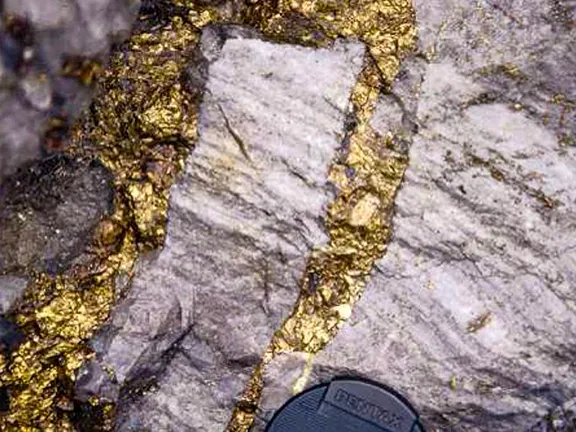
The lead ore, galena, is found in a matrix of quartz and sometimes barites, with veins up to one meter thick. These deposits were formed by mineralized hydrothermal vents forcing their way through granite during the Carboniferous period, 350 million years ago. Tectonic activity and erosion shaped the landscape we see today.

A History of Mining in Jaen Province
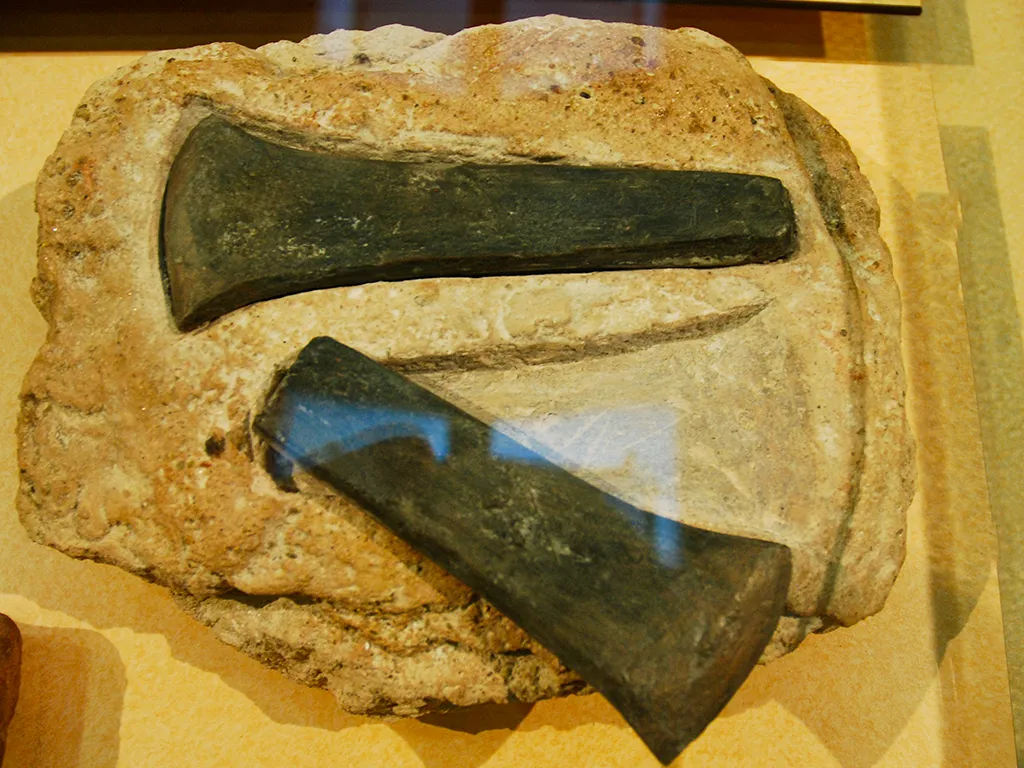
Spain's Black Country: The Lead Mining History of Jaen's Linares and La Carolina - Bronze Age axe mould
Bronze Age axe mould
Jaen's mining history spans millennia, from prehistoric times to the Industrial Revolution.

Prehistoric Mining Activities
Humans first discovered metallic minerals in the Linares-La Carolina area during the Neolithic period. They used lignite mixed with animal fat to create paint. During the Copper and Bronze Ages, copper and lead ores were mined, becoming a valuable resource for the Argar people and later Carthaginian and Greek traders.

Roman Mining and Beyond
The Romans discovered and exploited the lead deposits 2,000 years ago, digging vertical shafts and horizontal galleries. Unlike the Rio Tinto mines in Huelva province, they moved on when they hit the water table rather than dealing with the water. A Roman mining relief, found in Linares, is now displayed in the Linares Mining Museum.

Overcoming Water Challenges
After the Roman period, mining activity saw a resurgence with Spanish, British, German, and French companies. They faced the challenge of water in the old Roman shafts. Spanish miners manually carried water in bags, while the British introduced steam engines and pumps, revolutionizing the extraction process.

An Industrial Heritage
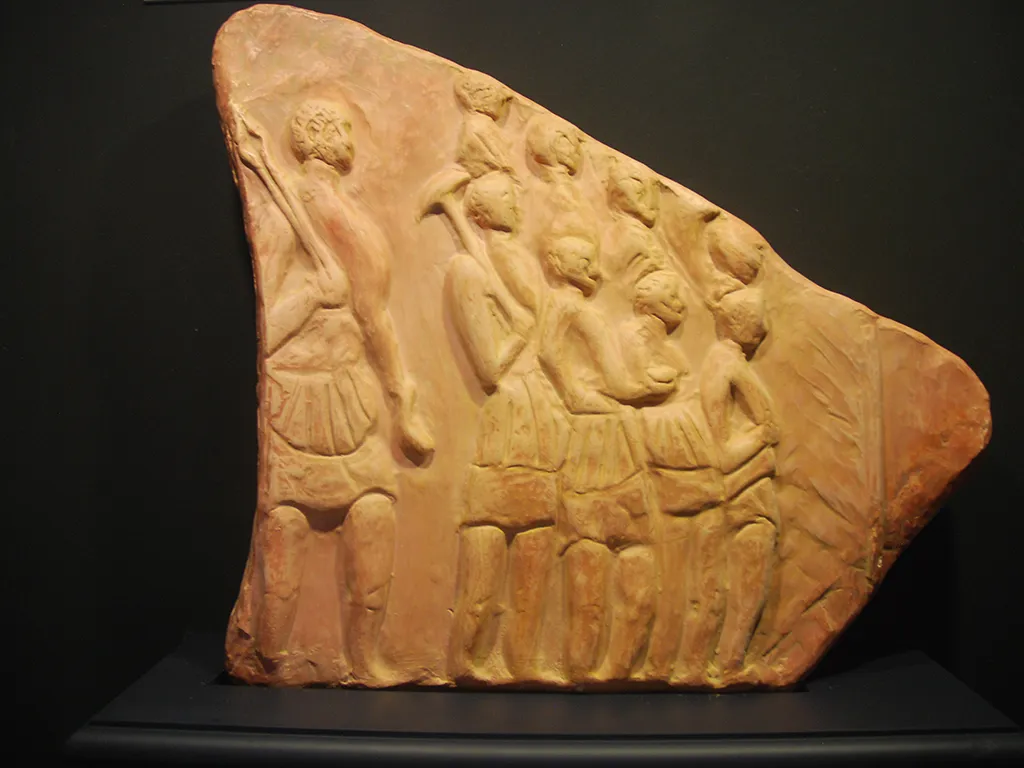
Spain's Black Country: The Lead Mining History of Jaen's Linares and La Carolina - Roman engraving found at Linares
Roman engraving found at Linares
The mining history of Linares and La Carolina illustrates the region's rich industrial heritage. From ancient Roman shafts to the advancements of 19th-century British mining operations, Jaen's "Black Country" played a crucial role in Spain's mining industry.

Enjoying This Sample?

To read the full story of Mining in Jaen province.

My book, 'Mining in Andalucia: Emphasising the Involvement of British Companies during the 19th and 20th Centuries; is now available as a fully illustrated, colour, paperback from Amazon, as a downloadable ebook from Kindle and Free to Read on Kindle.


Enjoying the fast, clean reading experience?

Discover how I partnered with an AI to rescue this outdated site from technical debt and hit perfect 100/100 Lighthouse scores. Legacy Reloaded is the ultimate guide to modernising old code without losing your mind.