Contents
The Iberian Pyrite Belt: 5,000 Years of Mining History and Environmental Impact in Huelva
The Iberian Pyrite Belt: Geology and History
Geological Formation
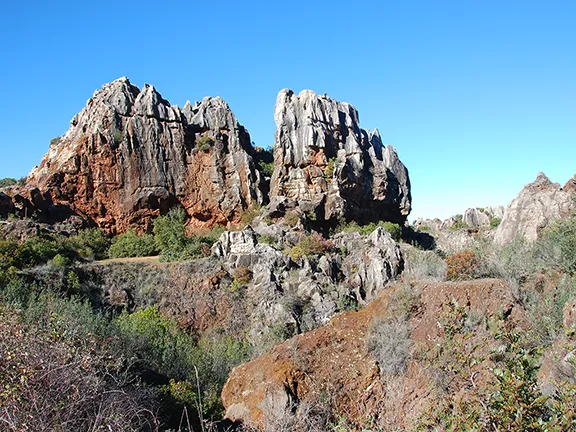
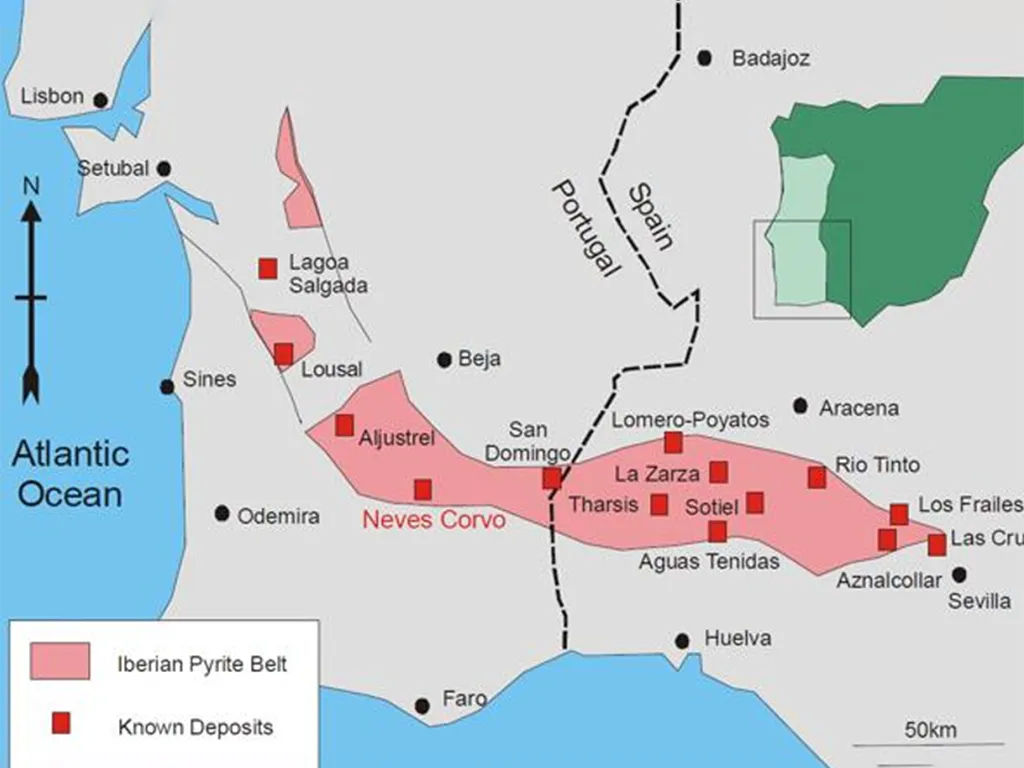
This geological formation, overlaid in parts by more recent Tertiary-Quaternary sediments, extends from Seville, Spain, to Alcacer do Sal, Portugal. Situated within the Sierra Morena Mountain range, the Pyrite Belt is the product of intense volcanic activity. Superheated, mineral-laden waters ascended through the Earth's crust, cooled, and precipitated within fractures and fissures, forming the massive sulphide bodies. Subsequent tectonic forces elevated the region.
Huelva's Mineral Wealth: Rio Tinto
A Timeline of Extraction
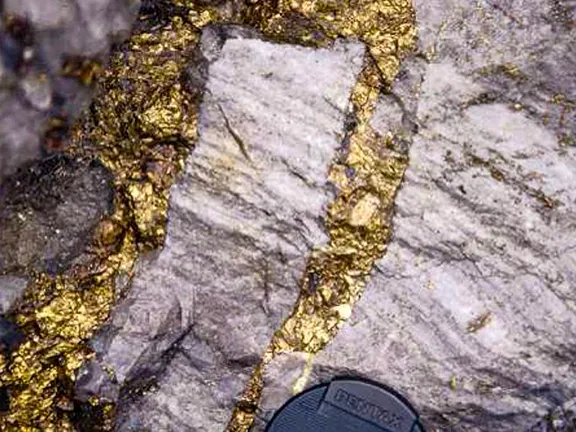
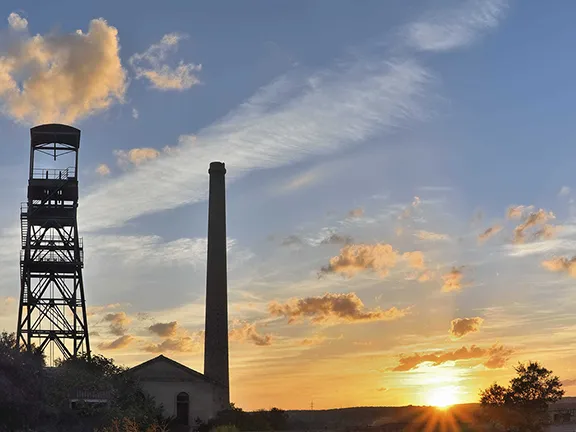
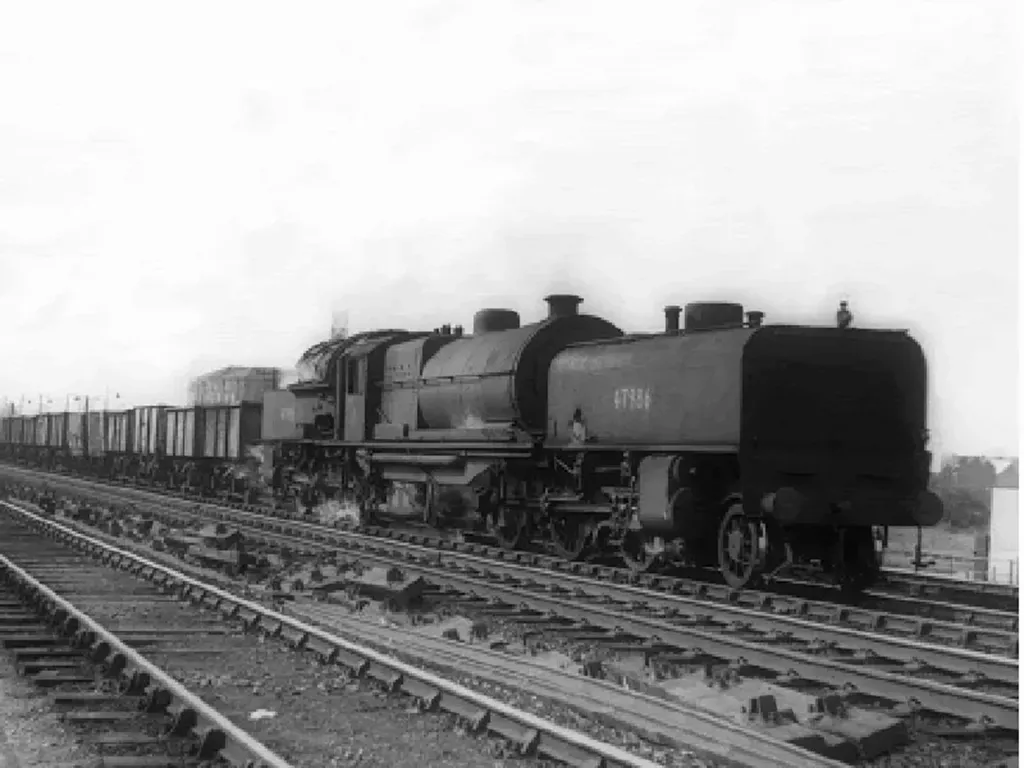
Over millennia, miners have extracted a diverse array of metals from this area, including zinc, copper, lead, arsenic, cadmium, sulphur, silver, thallium, mercury, gold, and barium. Continuous mining activity, from the Copper Age through to the 21st century, has involved various cultures and societies: Tartessians, Romans, Muslims, and local landowners. Since the 19th century, modern industrial operators, many of whom are foreign investors, have sought the mineral resources.
5,000 Years of Pollution
Environmental Impact Studies
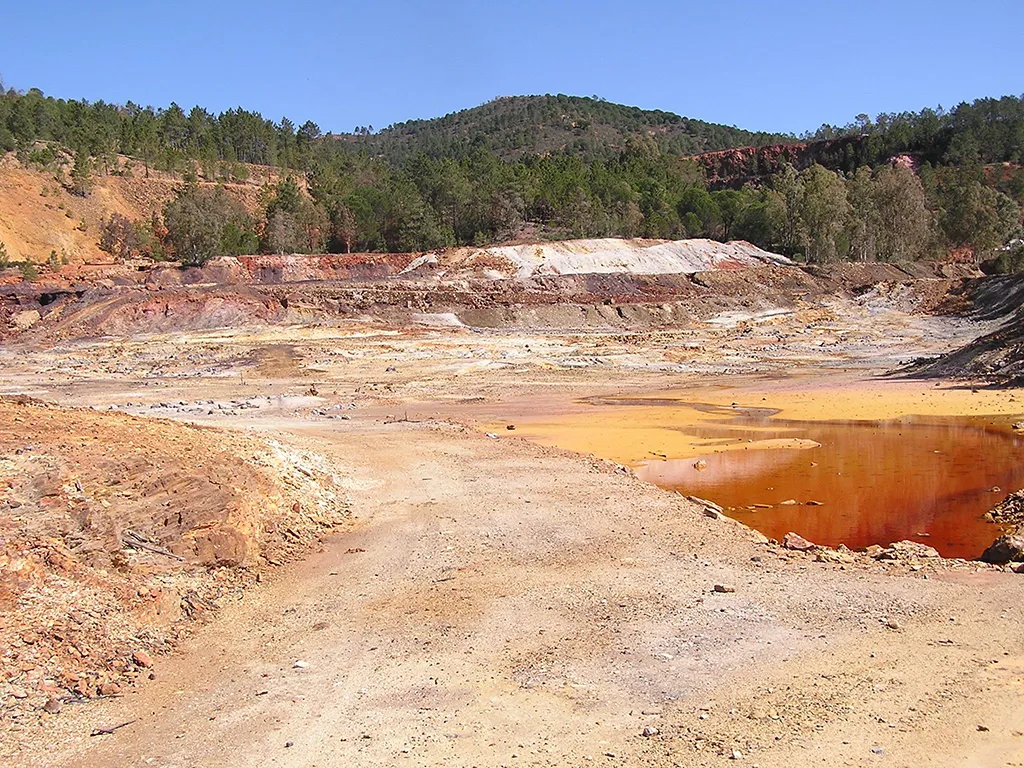
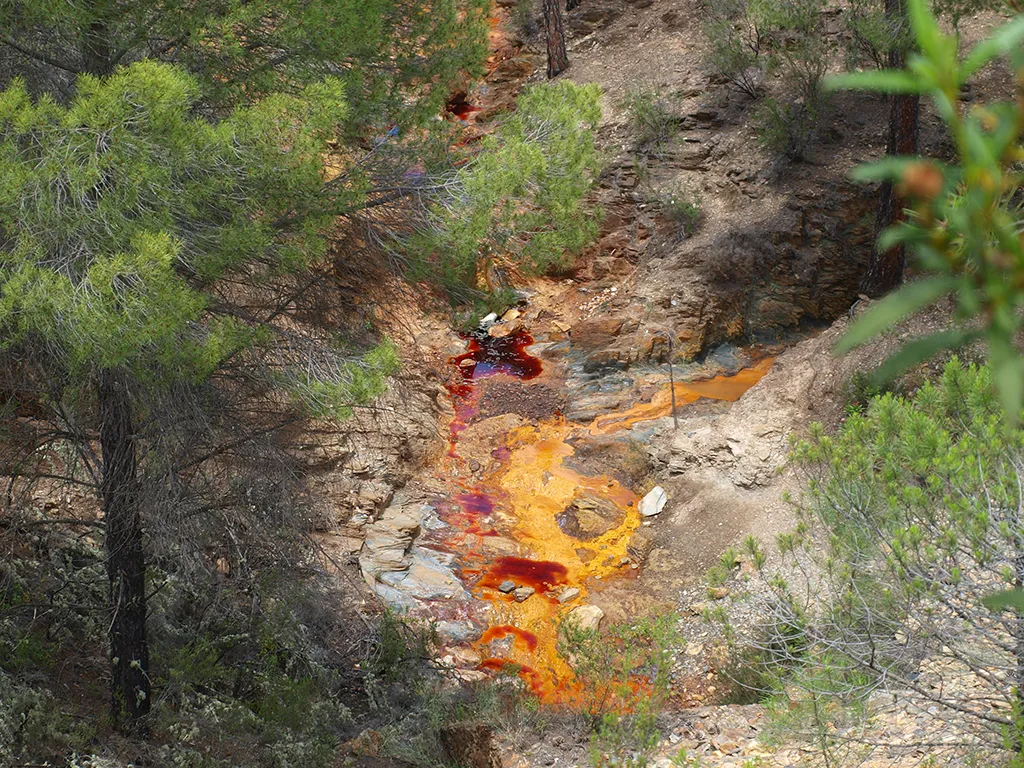
Studies looking at pollution levels in the sediments of the Rio Tinto and Cadiz Bay have proved that mining activities have been producing toxic waste for over 5,000 years. The river's upper reaches exhibit striking evidence of this impact, with acidic waters stained vermilion red and canary yellow by high concentrations of dissolved metals.
The Rio Tinto's Extreme Environment
While supporting life forms adapted to extreme conditions, such as lack of oxygen and the presence of heavy metals, this environment remains largely inhospitable to most organisms.
The Industrial Revolution's Intensification
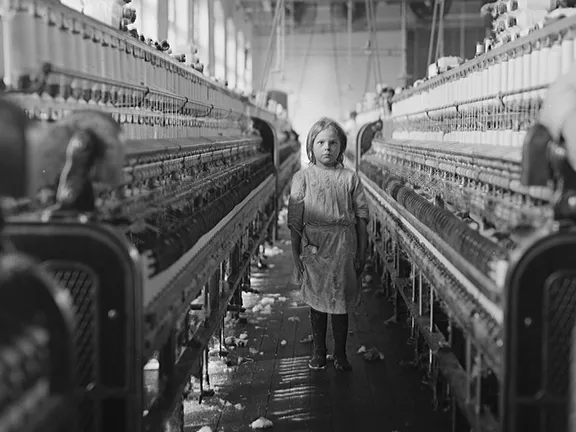
The 19th-century Industrial Revolution marked a period of accelerated mining and, consequently, intensified environmental pressures.
A History of Wealth and Responsibility
Enjoying This Sample?
My book, 'Mining in Andalucia: Emphasising the Involvement of British Companies during the 19th and 20th Centuries; is now available as a fully illustrated, colour, paperback from Amazon, as a downloadable ebook from Kindle and Free to Read on Kindle.