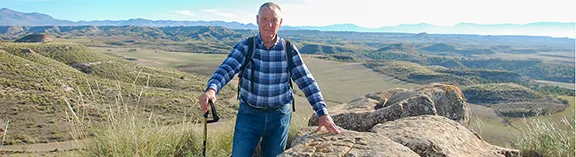
Projects page showing Nick amongst petroglyphs in Granada province, Spain

The Bronze to Iron Age Transition (c. 1200 BC to c 750 BC)

Formally known as the Greek Dark Ages, this period, immediately following the collapse of the Bronze Age civilisations in the Middle East and eastern Mediterranean, was anything but dark.

Changing Landscapes

~ published:
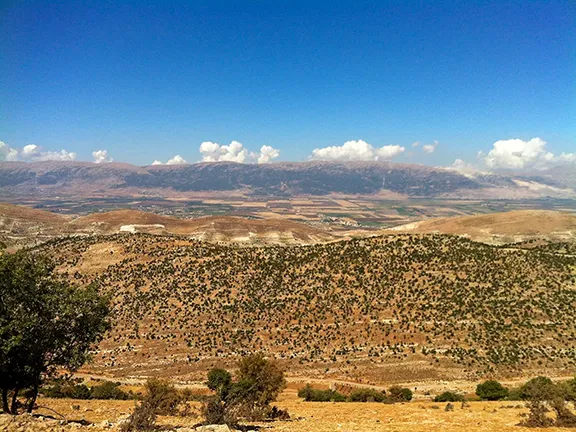
The collapse of the Bronze Age civilisations was the catalyst for change. Metalsmiths had to learn new skills, populations migrated from what had become arid zones to areas of more clement weather, sacred beliefs became the first religions and attitudes to governance were revised by commoners as...

See the articles »
Increasing Competition for Trade

~ published:

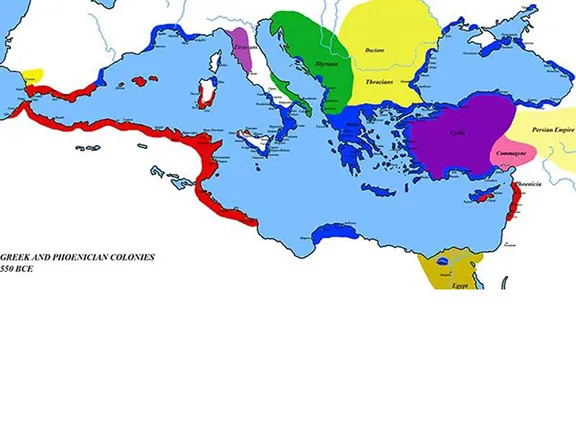
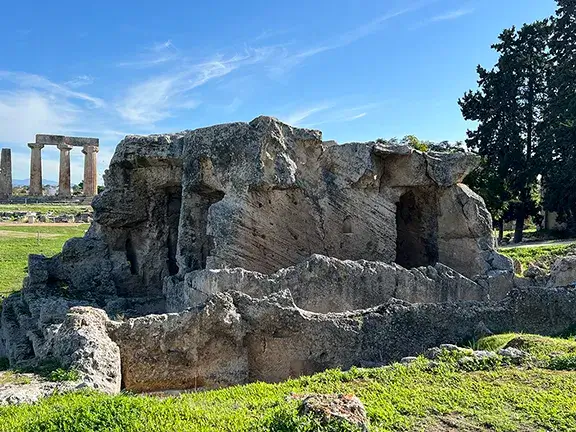
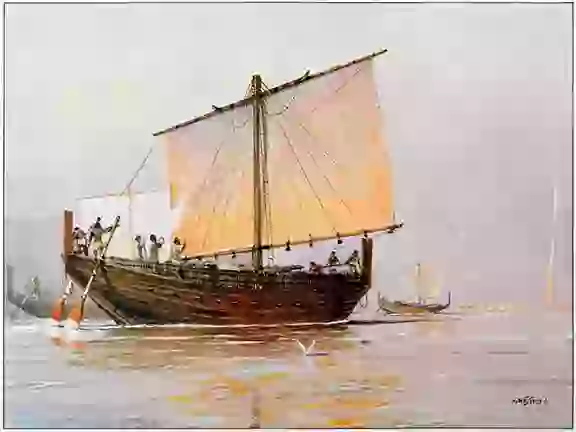
The nature of maritime trading practices fundamentally changed after the Bronze Age collapse. Egypt quickly re-entered the market. Competition between the new trading nations, the Phoenicians, Carthaginians, Greeks and ultimately the Romans, increased, resulting in the first trade wars after 580...

See the articles »

Phoenician Expansion during the Iron Age

~ published:

The bronze age civilisations in the Middle East, the Mitanni, Minoans, Mycenaeans, Assyrians and Hittites, have gone. Only Egypt and the Elamites survived the chaos of the bronze age collapse, both weakened and soon to be conquered by a resurgent Assyria. Surprising survivors, barely affected...

See the articles »